Amazon Basics Ultralight Vacuum Cleaner Review & Test
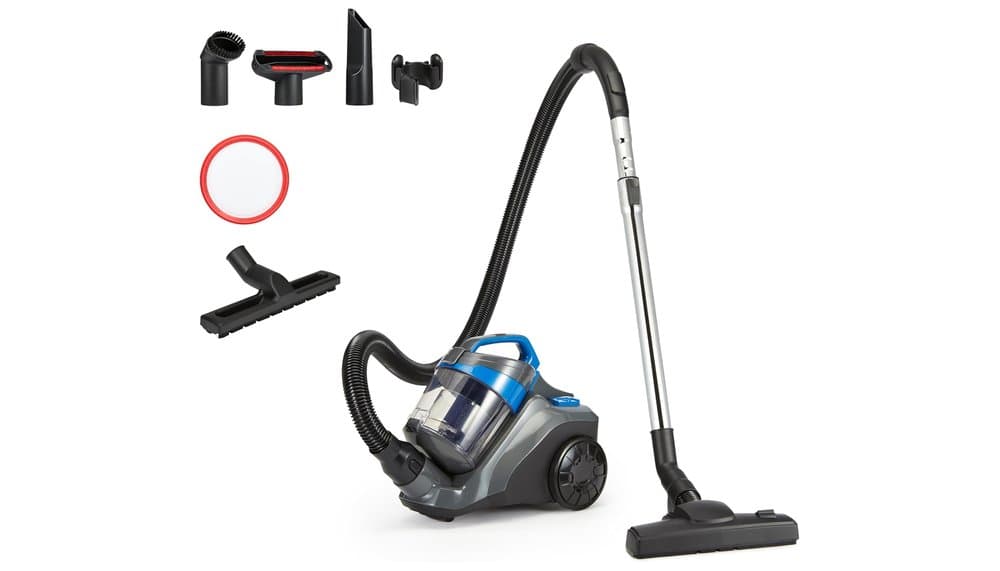
Comprehensive Analysis: Amazon Basics Bagless Vacuum Cleaner 1.7L Ultralight with HEPA Filter
In our quest for healthy indoor air, the vacuum cleaner is a primary ally. It's not just about removing visible crumbs, but about capturing fine particles, allergens, and pet dander that pollute our environment and affect our well-being. The Amazon Basics Bagless Vacuum Cleaner 1.7L Ultralight with HEPA Filter fits into this category of mechanical cleaning tools. But does it meet the requirements for health-focused cleaning? We have dissected its specifications, cross-referenced community feedback, and compared its promises to the expectations of people concerned about their air quality.
Strong Points
This vacuum cleaner stands out with several assets that explain its massive adoption. According to user feedback and technical specifications, its main advantages are:
- Announced HEPA Filtration: This is its major selling point. The filtration system integrates a washable HEPA filter that, according to the manufacturer, captures 99.5% of fine particles and allergens. This positions it as a potentially effective tool for reducing airborne pollutants.
- Light Weight and High Maneuverability: Weighing around 5.4 kg, it is unanimously described as light and easy to maneuver. The wheeled design and telescopic tube allow it to be guided with one hand and to go under low furniture effortlessly.
- Effective Suction for an Entry-Level Model: The 850W motor provides a suction judged powerful and satisfactory by most users, especially on hard floors (tiles, hardwood) and low to medium density carpets or rugs.
- Economy and Practicality: The bagless system with a 1.7L dust bin eliminates the recurring cost of bags. The main HEPA filter is washable, which also limits long-term expenses on consumables.
- Versatility and Complete Equipment: It comes with a relevant set of accessories: a parquet brush, a crevice tool, an upholstery brush, and a dusting brush. The main nozzle is a triple-action one that adapts to different types of floors.
Weak Points
Despite its qualities, certain limitations are clearly identified by testers and the community. Here are the challenges to consider:
- Lower-Level HEPA Filtration: The "HEPA" designation can be confusing. Here, it is a HEPA class 12 (H12) filter, not H13 or H14. This means it is 99.5% effective on 0.3-micron particles. That's good, but less performant than true HEPA H13/H14 filters (effective at 99.95% and 99.995%), which are the benchmark for severe allergy or asthma environments.
- Limited Power on Thick Carpets: The power, although generally appreciated, shows its limits on long-pile or very thick carpets. Pet owners producing a lot of hair may sometimes find the suction just adequate.
- Basic Design and Storage: Some users regret the lack of integrated storage for accessories on the device. The power cord, although long, could be longer to cover very large rooms without changing outlets.
- Noise Level: No official data is provided. Feedback is mixed: some find it reasonably quiet, others judge it noisy, like many canister vacuums. Its use with a sleeping baby or at night will likely require caution.
- Absence of Advanced Filtration: It does not integrate an activated carbon filter (to trap odors and some VOCs) nor a UV-C lamp. Its action is purely mechanical and limited to solid particles that are vacuumed.
Detailed Analysis from a Health and Air Quality Perspective
This analysis is at the heart of our approach. What can we realistically expect from this vacuum cleaner to clean our indoor air?
Performance on Allergens and Pollutants
On paper, the specifications announce a capture of 99.5% of fine particles. In practice, this means the device is designed to be effective on:
- Major Allergens: Dust mites and their droppings, pollen, pet dander (cats, dogs).
- Fine Particles: Household dust, some mold spores, and to a certain extent, indoor pollution residues.
However, there is a categorical imperative: for this filtration to be effective, the aspirated air must ALWAYS pass THROUGH the HEPA filter before exiting the device. This is where the design and airtightness of the system are crucial. Entry-level vacuum cleaners can sometimes have air leaks that bypass the filter, thus releasing particles back into the air. Although the community does not report this problem massively, it is a fundamental difference with high-end devices certified by organizations like the AAFA (Asthma and Allergy Foundation of America).
What it does not do: It does not eliminate Volatile Organic Compounds (VOCs), persistent odors (tobacco, cooking) or airborne viruses and bacteria (without the mechanical action of suction). It also has no disinfecting action (no steam, no heat). Its role is the control of allergens through mechanical capture.
Noise Level and Daily Use
Noise is a factor of quality of life and health. User feedback is mixed but tends towards a positive note. One user explicitly notes that "the moderate power of this vacuum cleaner also makes it less noisy". This suggests its noise level could be acceptable for daytime use without excessively disturbing other occupants or an awake baby. However, for rooms like children's bedrooms during naps, it remains preferable to favor cleaning outside these hours, or to opt for a vacuum with certified low decibels.
Maintenance and Long-Term Cost
This is a strong point for health and the wallet. A washable filter is economical and ecological. To maintain filtration efficiency and suction power, regular cleaning of the HEPA filter and pre-filter (often a foam) is imperative. The community emphasizes the importance of frequent emptying of the dust bin (before it is full) to prevent particles from re-dispersing into the air when emptying. The availability of replacement filters is not always clearly documented, which can be a point of concern in the very long term, but the fact that they are washable greatly postpones this potential purchase.
Technical Specifications
| Feature | Detail |
|---|---|
| Model | Amazon Basics Bagless Vacuum Cleaner 1.7L Ultralight with HEPA Filter |
| Type | Canister vacuum with bag (bin) |
| Motor Power | 850 Watts |
| Bin Capacity | 1.7 Liters |
| Main Filter | Washable HEPA filter (Class H12, 99.5% efficiency) |
| Main Brush | Triple-action brush for hard floors and carpets |
| Weight | Approximately 5.43 kg |
| Cord | Length unspecified (feedback sometimes wishes it was longer) |
| Included Accessories | Crevice tool, Upholstery brush, Dusting brush, Parquet brush, Accessory holder |
| Noise Level | Not disclosed |
What Users Say: A Synthesis of Reviews
Analyzing thousands of customer reviews reveals very clear trends.
Recurrent Praise (Positive Points):
- Exceptional Value for Money: This is the recurring theme. Users often compare it to more expensive brands (like Rowenta or Dyson) and are pleasantly surprised by its performance for its price.
- Light and Maneuverable: The terms "light", "easy to handle", "goes everywhere" come up constantly. It is particularly appreciated by people who have difficulty with heavy devices.
- Suction Judged Powerful: The majority find it "very powerful", "effective" and capable of cleaning hard floors and rugs well. One specific review even mentions its effectiveness on an "old carpet".
- Intuitive Assembly and Easy-to-Empty Bin: Simplicity is praised. Assembly without instructions and the bin emptying system are described as practical.
- Acceptable Noise Level: Several note that it is "not too noisy" or even "relatively quiet" for a vacuum cleaner.
Frequent Criticisms (Negative Points):
- Limited Power on Certain Surfaces: For thick carpets or households with a lot of pet hair, the power can seem just adequate or insufficient for deep cleaning.
- Brush Design Issues: A defect reported by several users: the suction head tends to "get stuck" on the floor or on rug fringes, making pushing less smooth.
- Cord sometimes too short and lack of integrated storage for accessories are noted frustrations.
- Durability to be Proven: A few comments, although in the minority, express uncertainty about long-term robustness, a characteristic often associated with entry-level products.
Conclusion: Who Is This Vacuum For?
The Amazon Basics Bagless Vacuum Cleaner 1.7L Ultralight with HEPA Filter is a serious candidate for standard households, small spaces (studio, apartment) and tight budgets. Its washable HEPA filter makes it a more interesting tool for air quality than a simple vacuum without filtration, capable of retaining a large part of common allergens.
However, we must be honest: it is not the ultimate device for severe allergies or asthma. Its H12 filter, although effective, does not reach the level of certainty and airtightness of H13/H14 systems from specialized brands. Its action is limited to particles and does not act on gases, odors, or microorganisms.
Our Verdict: If you were looking for an economical, lightweight, and overall effective primary vacuum cleaner for regular cleaning, with a good level of filtration to improve the daily environment, this device fulfills its mission brilliantly. On the other hand, if absolute control of allergens is your number one priority (for example for a child allergic to dust mites), or if your home is mainly composed of thick carpets, it would be wise to consider investing in a device with certified HEPA H13/H14 filtration and a perfectly airtight system. For the rest of us, concerned about healthier air without breaking the bank, this Amazon Basics vacuum represents an intelligent and very satisfying choice.
Independent and transparent — Our articles are based on in-depth research and real user reviews. No brand sponsors our content. Affiliate links help fund the site, at no extra cost to you.
Articles you might like
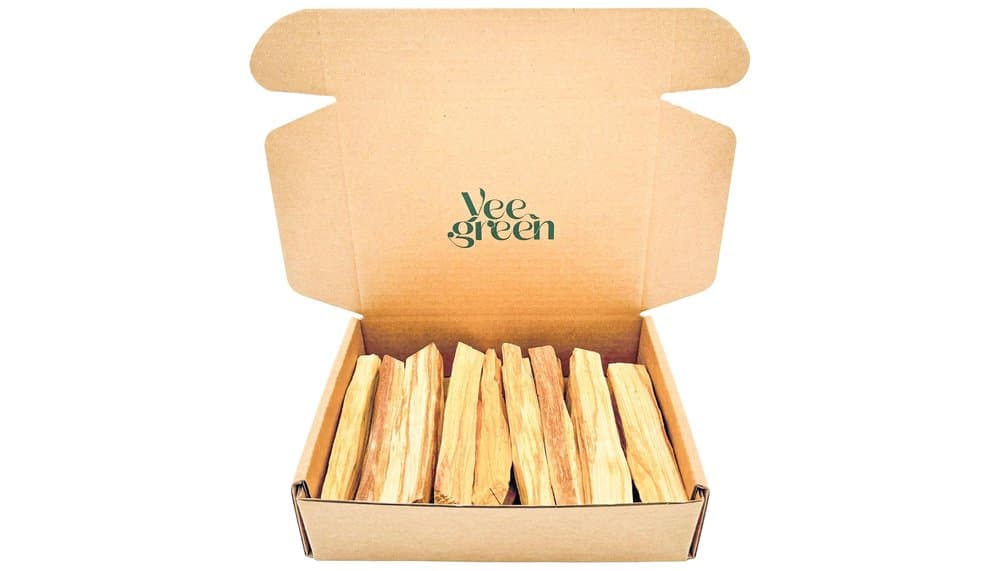
Veegreen White Sage and Palo Santo Incense Set Review
Review the traditional ritual of smudging with white sage and palo santo for cleansing air naturally, as an alternative to modern air purifiers.
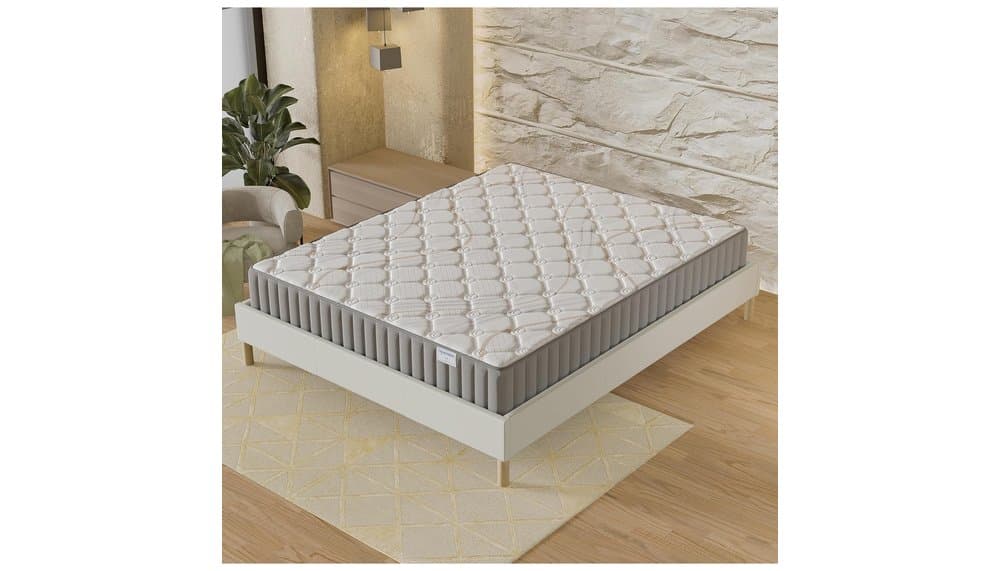
NOVEMBER Sirius Mattress Review: Complete Test Analysis
A deep analysis of the NOVEMBER Sirius mattress for healthy sleep. We test its materials and construction for allergens, VOCs, and overall sleep hygiene.
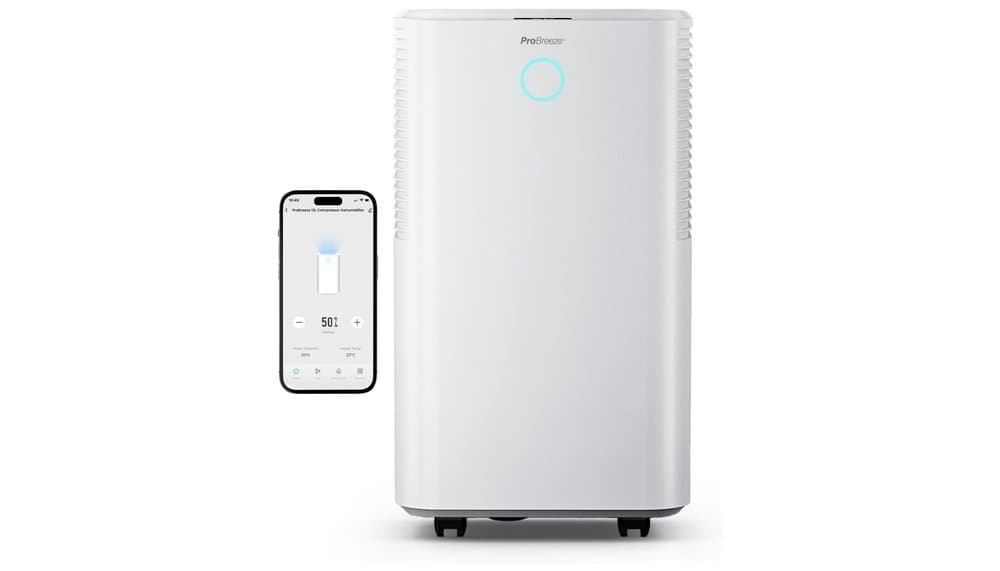
Pro Breeze OmniDry D 12L Dehumidifier Review
Eliminate humidity, allergens, and mold with the Pro Breeze OmniDry Dehumidifier. Discover how it improves air quality for a healthier, chemical-free home.
Guides you might like
Air Purifier Buying Guide
Indoor air can be more polluted than outside. Learn how to choose the right air purifier to combat dust, VOCs, and allergens.
Allergen Fighter Dehumidifier Buying Guide
Combat allergies from dust mites and mold caused by high humidity at home. A good dehumidifier protects your family's health.
Anti-allergen vacuum cleaner
Does vacuuming worsen allergies? Yes, with a poor filter. Choose the right vacuum to trap allergens and protect your health.