AONAT Mini Air Purifier HEPA Diffuser Test
Introduction
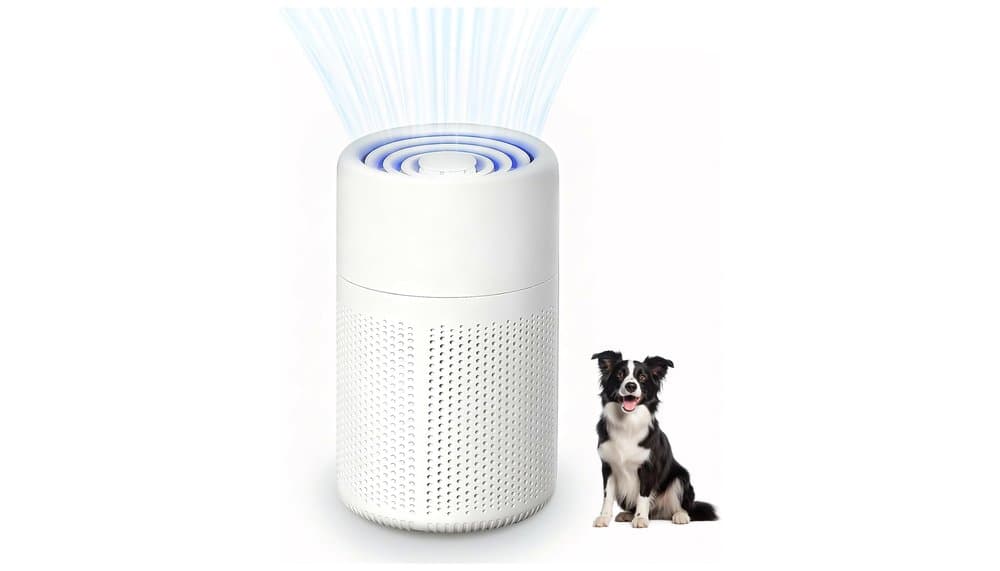
In our quest for a healthy interior, free from chemical pollutants, choosing an air purifier is a crucial step. We often turn to compact devices promising a discreet solution for a bedroom, office, or small room. The AONAT Mini Air Purifier HEPA with Diffuser fits this trend by offering a 2-in-1 formula: purify and diffuse essential oils. But behind its minimalist design, how effective is it really at improving our air quality? We will dissect its promises, specifications, and feedback from those who use it to determine if it can become an ally in your natural cleaning approach.
Strong Points
- Compact and extremely quiet design: Its miniature size (12x12x20 cm) and feather-light weight make it a discreet device, easy to move. Its advertised 37 dB noise level is confirmed by users as being particularly low, ideal for a bedroom or quiet workspace.
- Dual function: Purification and aromatherapy: The ability to add essential oils to a dedicated pad meets a strong demand for holistic well-being, combining purified air with a soothing olfactory ambiance, without chemical fragrances.
- Very low energy consumption: With only 5W of power, its impact on the electricity bill is negligible, allowing for continuous use without guilt.
- Power supply versatility: USB-C cable power makes it compatible with portable batteries, computers, or car chargers, expanding its potential uses while on the move or in rooms without a dedicated socket.
Weak Points
- Limited coverage area: Its reduced dimensions imply a necessarily low air treatment capacity (CADR). It is designed for very confined spaces (small bedroom, individual office, car) and cannot claim to purify the air of a living room.
- Basic filtration and lack of key data: The system relies on a HEPA H13 filter and an activated carbon filter, but the filtration thickness and surface area are limited by the device's size. No efficiency rate or air exchange rate (CADR) is communicated by the manufacturer.
- Effectiveness of "ionizer" function unproven: The mention of "purification by negative ions" is a common marketing claim, but its actual effectiveness in removing pollutants is marginal compared to mechanical HEPA filtration. It can even generate ozone, a respiratory irritant, although not mentioned here.
- Filter replacement frequency is demanding: The manufacturer recommends replacing the filter every 2 months. For continuous use, this represents a recurring cost and logistics to anticipate, with a risk of reduced performance if the filter is saturated.
Detailed Analysis of the AONAT Mini Air Purifier
Filtration Level and Real Effectiveness
On paper, the AONAT relies on dual filtration. The HEPA H13 filter is the central point. A true HEPA H13 filter is capable of trapping 99.95% of particles sized 0.3 microns or larger. This includes major allergens like pollen, dust mites, pet dander, and a significant portion of PM2.5 (fine particles). The activated carbon filter, meanwhile, is meant to adsorb odors and some Volatile Organic Compounds (VOCs), gases emitted by cleaning products, furniture, or paints.
However, the mini size of the device is a double-edged sword. An effective HEPA filter needs a certain surface area and thickness to function correctly and last. In such a compact format, the amount of filter media (the HEPA and carbon filter material) is necessarily reduced. This limits its pollutant retention capacity before saturation and its purified air flow rate. In short, it can be effective at treating a small volume of air around it, but it will take much longer to refresh the air of an entire room than a larger device. For severe allergies, this limitation is important to consider.
The mention of a "blue light" presented as antibacterial is, in this context, anecdotal. Without prolonged exposure at a specific intensity (like UV-C, which it does not have), its disinfectant effect on circulating air is minimal. This function should not be relied upon for true air disinfection.
Noise Level: A Confirmed Asset for Sleep
This is where the AONAT seems to deliver on its promises. A level of 37 decibels corresponds to a whisper. According to user feedback, this technical data is confirmed: testimonials highlight its quiet operation, to the point of not noticing it, even at night. This is a strong argument for bedroom use, including in a baby's room or for light sleepers. The "night" mode that dims the integrated blue light also goes in this direction.
The Diffuser Function: A Well-being Plus to Use with Caution
Integrating an essential oil diffuser is an appealing idea for those wanting to naturally freshen the ambiance. However, this function must be used with discernment. Essential oils are potent substances. It is crucial never to pour them directly into the device, but only onto the provided pad, as indicated. Some oils (peppermint, eucalyptus) are not recommended for young children, pregnant women, and asthmatics. Used correctly, this function adds a pleasant dimension to home well-being, without resorting to chemical air fresheners in sprays or plug-ins, which we advise against.
Cost and Maintenance: The Question of Replacement Filters
Maintenance is often the weak point of low-cost purifiers. The filter replacement recommendation every 2 months is fairly standard for a filter of this size. This means 6 filters per year. It is essential to check the availability and cost of these replacement filters before purchase. A purifier with expensive or unavailable filters quickly becomes useless. The community of users of this type of device often notes that the filter's actual lifespan depends on ambient pollution (presence of pets, smoking...). In a highly polluted environment, it could saturate before two months.
Technical Specifications
| Characteristic | Detail |
|---|---|
| Model | AONAT Mini Air Purifier HEPA with Diffuser |
| Dimensions | 12 x 12 x 20 cm |
| Weight | 470 g |
| Filtration | HEPA H13 Filter + Activated Carbon Filter |
| Additional Functions | Essential oil diffusion (pad), blue ambient light, negative ion generation (alleged) |
| Noise Level | 37 dB (advertised) |
| Power | 5 W |
| Power Supply | USB-C Cable |
| Filter Replacement Frequency | 2 months (manufacturer recommendation) |
| Box Contents | 1 purifier, 1 HEPA filter, 2 activated carbon filters, 1 aromatherapy pad, 1 USB-C cable |
What Users Say
A synthesis of available customer reviews reveals clear trends. The positive points consistently return to three aspects: the compact, discreet size, the very quiet operation (several reviews call it inaudible, perfect for the bedroom), and a feeling of fresher, less heavy air with fewer odors. One user describes it as "effective for daily use" in a small space.
On the negative side, one review highlights a possible quality control issue or model confusion, noting the absence of advertised functions (no charging capability, no modes, no scent pad). This reminds us of the importance of checking the device upon receipt. The other negative feedback does not detail their reasons, but one can assume they concern a perceived lack of effectiveness or disappointment with real performance versus expectations. To our knowledge, no independent expert tester has measured its particle efficiency rate in real conditions.
Conclusion
The AONAT Mini Air Purifier HEPA with Diffuser is a device that finds its niche. It does not claim to be a miracle solution for the whole house, and that's a good thing. Our analysis shows it is primarily a supplemental purifier, designed for very confined spaces like a bedside table, a small desk, or a car cabin.
Its strengths are undeniable: its silence makes it perfect for sleep, its power consumption is minimal, and the diffuser function adds natural pleasantness. The HEPA H13 and activated carbon filtration, although limited by size, works against fine particles (PM2.5), pollen, and pet dander in the immediate vicinity.
On the other hand, you should not expect it to significantly clean the air in a room larger than 10-15 m². Its effectiveness against VOCs will be limited by the small amount of activated carbon. The "negative ions" function is more of a gimmick than a proven purification technology.
Our verdict: It's a relevant choice if you're looking for a quiet little companion to locally improve air quality and diffuse essential oils, as a complement to regular cleaning and good ventilation. For combating significant allergies in a bedroom, it would be wiser to invest in a purifier with a true large-surface HEPA filter and a certified CADR (Clean Air Delivery Rate) suited to your room size. The AONAT Mini plays its role as a secondary purifier or nomadic solution, provided you are vigilant about the regular maintenance of its filters.
Independent and transparent — Our articles are based on in-depth research and real user reviews. No brand sponsors our content. Affiliate links help fund the site, at no extra cost to you.
Articles you might like
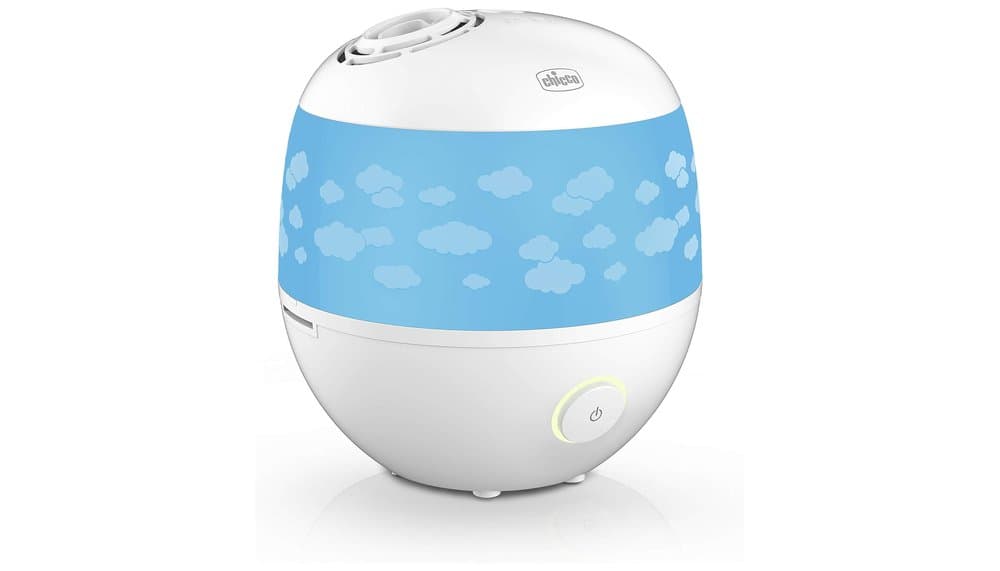
Chicco Humi Hot Advance Air Humidifier Review
Chicco Humi Hot Advance Air humidifier review for kids: warm steam relief for seasonal discomforts in a chemical-free home.

Veegreen White Sage and Palo Santo Incense Set Review
Review the traditional ritual of smudging with white sage and palo santo for cleansing air naturally, as an alternative to modern air purifiers.
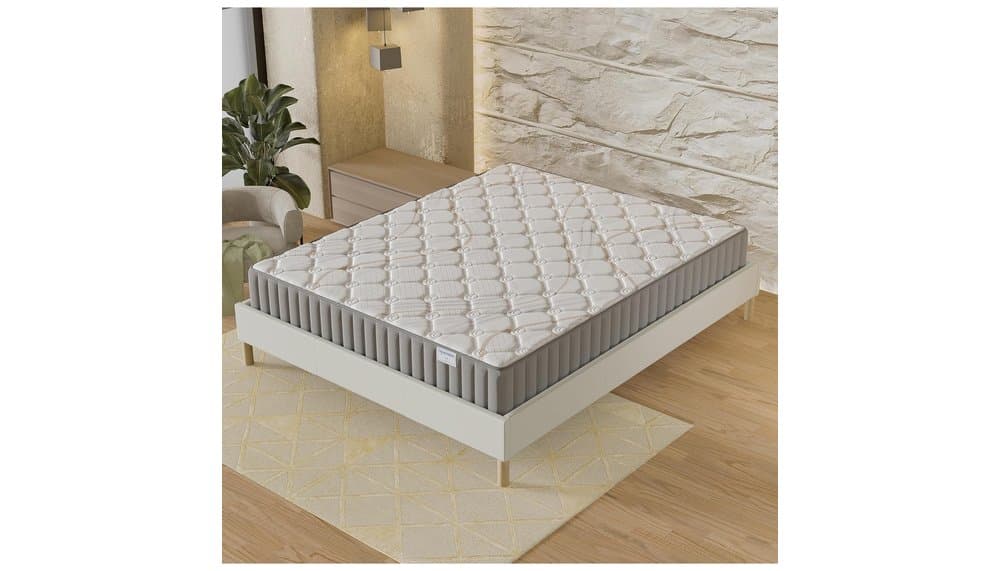
NOVEMBER Sirius Mattress Review: Complete Test Analysis
A deep analysis of the NOVEMBER Sirius mattress for healthy sleep. We test its materials and construction for allergens, VOCs, and overall sleep hygiene.
Guides you might like
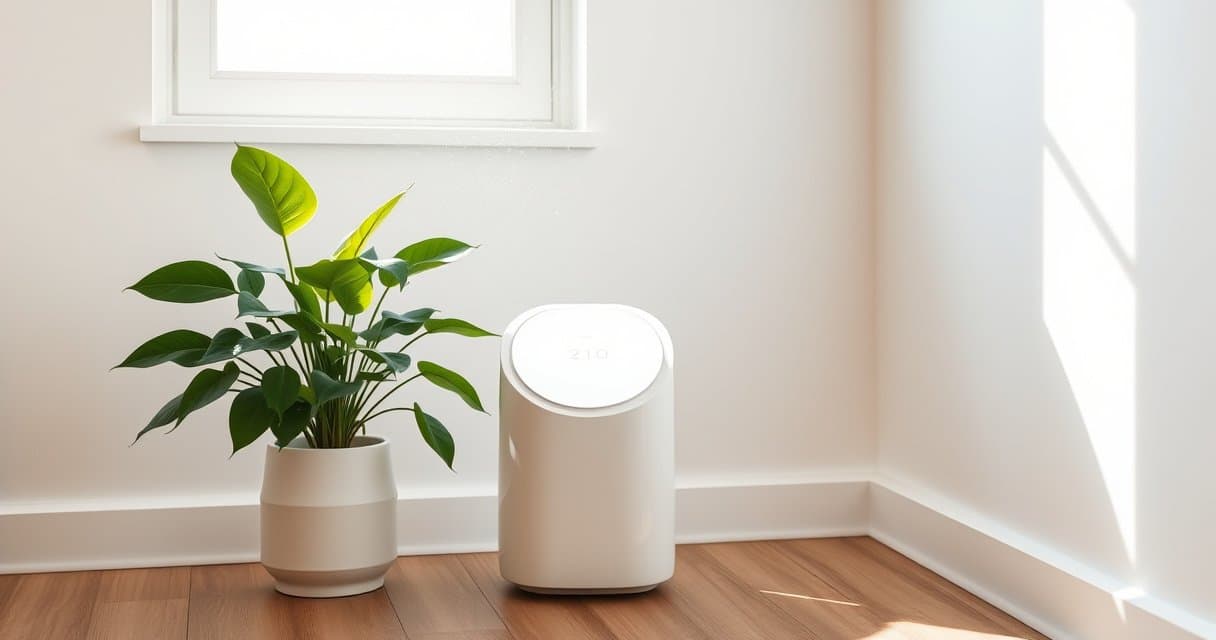
Air Purifier Buying Guide
Indoor air can be more polluted than outside. Learn how to choose the right air purifier to combat dust, VOCs, and allergens.
Allergen Fighter Dehumidifier Buying Guide
Combat allergies from dust mites and mold caused by high humidity at home. A good dehumidifier protects your family's health.
Anti-allergen vacuum cleaner
Does vacuuming worsen allergies? Yes, with a poor filter. Choose the right vacuum to trap allergens and protect your health.