BommFu QOD7K70OATVBCICC Negative Ion Air Purifier Review
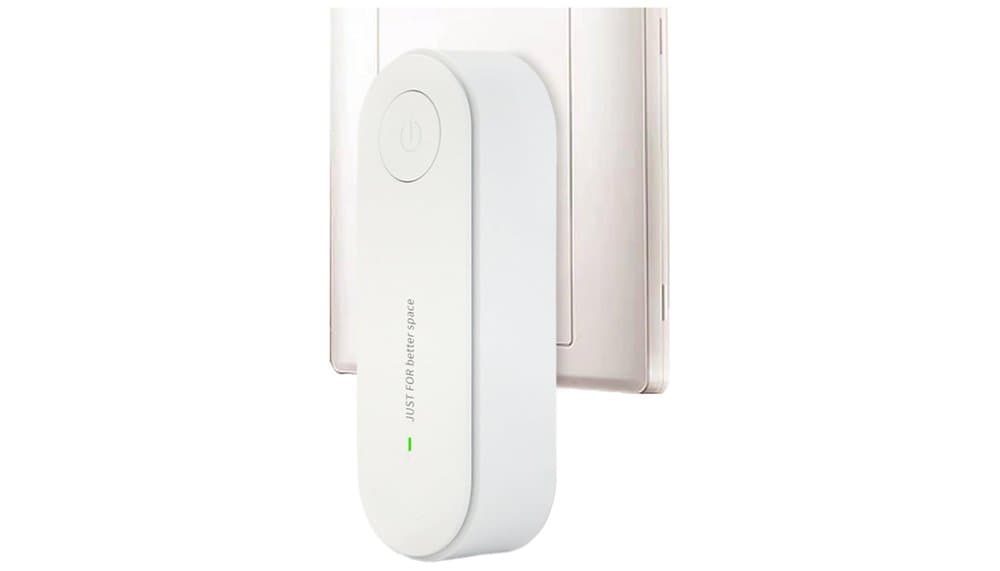
Introduction: A Sleek, Simple, and Filterless Air Purifier. But Is It Right for Us?
In our quest for healthier indoor air, air purifiers have become valuable allies. We are now seeing devices on the market that promise simplicity and savings, like the BommFu QOD7K70OATVBCICC Negative Ion Air Purifier. This small device plugs directly into an electrical outlet and relies on negative ion technology to purify the air, with the promise of eliminating particles and odors, all without a filter to replace.
On paper, the concept is appealing: no more recurring costs for HEPA or activated carbon filters. But what interests us here, on a site dedicated to healthy and effective cleaning, is the real effectiveness for our health and our air quality. Can an ionizer rival mechanical filtration purifiers in capturing allergens, fine particles (PM2.5), or VOCs? That is the analysis we will conduct, dissecting the technical specifications and cross-referencing available feedback to give you a clear picture.
Strengths and Weaknesses: A Summary for Those in a Hurry
Before diving into the details, here is what we can remember about the main characteristics of this product.
What Speaks in Its Favor
- Simplicity and Cost of Use: No filter to buy or replace. Plug it in and it's ready. A strong argument against planned obsolescence via consumables.
- Compact and Discreet Design: With its minimalist dimensions (6.5 x 4.5 x 4.5 cm), it literally blends into the wall outlet and takes up no floor space.
- Absolute Silence: Without a fan, its operation is completely silent. A major asset for a bedroom, baby's room, or office.
- Very Low Energy Consumption: Advertised at less than 1W, its impact on the electricity bill is negligible, allowing for 24/7 use without guilt.
The Limitations to Know
- Limited Purification Technology: Purification by negative ions alone does not physically capture pollutants like a HEPA filter does. It electrically charges them, which can cause them to stick to surrounding surfaces (floor, walls, furniture).
- Unquantified Effectiveness on VOCs and Odors: The product mentions combating odors, but without specifying the presence of activated carbon, its action on Volatile Organic Compounds (VOCs) or cooking odors is scientifically unlikely.
- Absence of Mechanical Filtration: It is not a solution for people suffering from severe allergies to dust mites, pollen, or pet dander, which require effective capture and retention of these allergens.
- Potential Ozone Production: Some low-end ionizers can generate ozone, a gas irritating to the respiratory tract. The BommFu specifications do not mention this, which requires caution.
Detailed Analysis: Beyond Marketing Promises
Now, let's break down what each characteristic concretely means for your indoor air quality.
The Heart of the System: Negative Ion Purification, How Does It Work?
The BommFu QOD7K70OATVBCICC is an ionizer. Its principle is to emit negative ions (anions) into the air. These electrically charged ions attach to suspended microparticles (dust, pollen, certain allergens), weigh them down, and cause them to fall faster to the floor or nearby surfaces. The air then seems "clearer" because the particles are no longer airborne.
This is where the fundamental difference with a HEPA filter purifier lies. A HEPA H13 filter, for example, sucks in air and physically traps 99.95% of particles larger than 0.3 microns inside the filter. The allergen is removed from the environment. With an ionizer, the particle is not eliminated; it is simply deposited on your floor or shelf. It can therefore be resuspended by the slightest pass of a vacuum cleaner, a flick of a sheet, or a draft. For a healthy environment, this implies more frequent and meticulous surface cleaning.
What Impact on Specific Pollutants?
- Fine Particles (PM2.5, Dust): Moderate Action. Ions can accelerate their sedimentation, reducing their concentration in the air breathed. However, they remain present in the room.
- Allergens (Pollen, Pet Dander): Indirect and Incomplete Action. The same principle applies. It may provide some relief by "cleaning" the air, but it is not a containment solution like a HEPA filter.
- Odors and VOCs: Highly Contested Effectiveness. Negative ions have a very limited capacity to neutralize odor molecules or VOCs (formaldehyde, benzene...). For these gaseous pollutants, the reference technology is activated carbon filtration, which is absent here. Claims regarding kitchen or pet odors should therefore be taken with a great deal of skepticism.
- Bacteria and Viruses: No Convincing Data. The product does not mention a UV-C lamp, the recognized technology for air disinfection. The action of ions on pathogens is not well established scientifically and cannot be considered a disinfecting function.
Noise (or Lack Thereof) and Consumption
On these two points, the advantages are undeniable and corroborated by the very design of the device.
- Noise Level: 0 dB. The absence of a fan makes it the ideal device for spaces where silence is king. It can be plugged into a child's room without fear of disturbing sleep, or into an office without nuisance.
- Consumption: < 1W. It's negligible. In continuous operation all year, this represents a consumption lower than that of an LED nightlight.
Long-Term Cost and Maintenance
This is its main selling point: no recurring cost. There are no replacement filters to buy. Maintenance is limited, according to general advice for ionizers, to regular dusting of the device's plates (if accessible) with a dry microfiber cloth. This simplicity strongly contrasts with conventional purifiers whose HEPA and carbon filters must be changed every 6 to 18 months.
Technical Specifications
Here is a summary of the key data for the BommFu QOD7K70OATVBCICC:
| Characteristic | Detail |
|---|---|
| Model | BommFu QOD7K70OATVBCICC Negative Ion Air Purifier |
| Purification Technology | Negative Ion Generator (Ionizer) |
| Filters | None (permanent filter not specified) |
| Room Coverage | Not specified by the manufacturer |
| Noise Level | Silent (0 dB, no fan) |
| Power Consumption | < 1 Watt |
| Power Supply | Plugs into wall outlet (90-220V, 50/60Hz) |
| Dimensions (L x W x H) | 6.5 x 4.5 x 4.5 cm |
| Weight | 58 g |
| Maintenance | Occasional dusting. No consumables. |
What Users and the Community Say About It
Feedback on this product is very limited, with only one overall rating available at the time of this analysis. It is therefore difficult to draw solid statistical trends from it. The 4.0 out of 5 rating suggests relative satisfaction, but the absence of detailed reviews deprives us of valuable information on the long-term experience.
Based on widely documented community feedback regarding low-end ionizers in general, we can identify recurring points that likely apply to this product category:
The positive points often mentioned for this type of device:
- The discretion and silence are unanimously praised.
- The lack of a filter to change is perceived as a gain in simplicity and money.
- Some users report a feeling of "fresher" air or a reduction in visible airborne dust.
The negatives or frequent questions:
- Invisible Effectiveness: Many question its actual operation, having no tangible proof of its action, unlike a HEPA filter that gets visibly dirty.
- Ozone Concern: The informed community systematically raises the question of ozone emission, a potential by-product of low-cost ionizers. The lack of certification (like CARB for California) is a point of vigilance.
- Limited Range: Testers point out that the effect seems very localized around the device, with doubtful effectiveness for a medium-sized room.
Conclusion: Who Is This Purifier For?
The BommFu QOD7K70OATVBCICC Negative Ion Air Purifier is a product that bets everything on simplicity. It represents a low-cost, maintenance-free option for those looking for a localized, supplemental action to reduce flying dust in a small space like a personal office, bathroom, or guest room. Its absolute silence is its major asset.
However, our analysis leads us to be clear: this is not an air purifier in the sense we usually understand for robust improvement of indoor air quality. It cannot replace a device with HEPA and activated carbon filtration for people suffering from allergies, asthma, or living in a polluted urban environment. Its action on odors and VOCs is most likely minimal, and its mode of operation (particle sedimentation) displaces the problem more than it solves it.
Our recommendation: See it as a small complementary accessory for a feeling of freshness in a very confined and already generally clean space, but do not rely on it as your primary defense against allergens or indoor pollution. For these health issues, investing in a purifier with a real mechanical filtration system remains the scientifically validated and most reassuring solution.
Independent and transparent — Our articles are based on in-depth research and real user reviews. No brand sponsors our content. Affiliate links help fund the site, at no extra cost to you.
Articles you might like
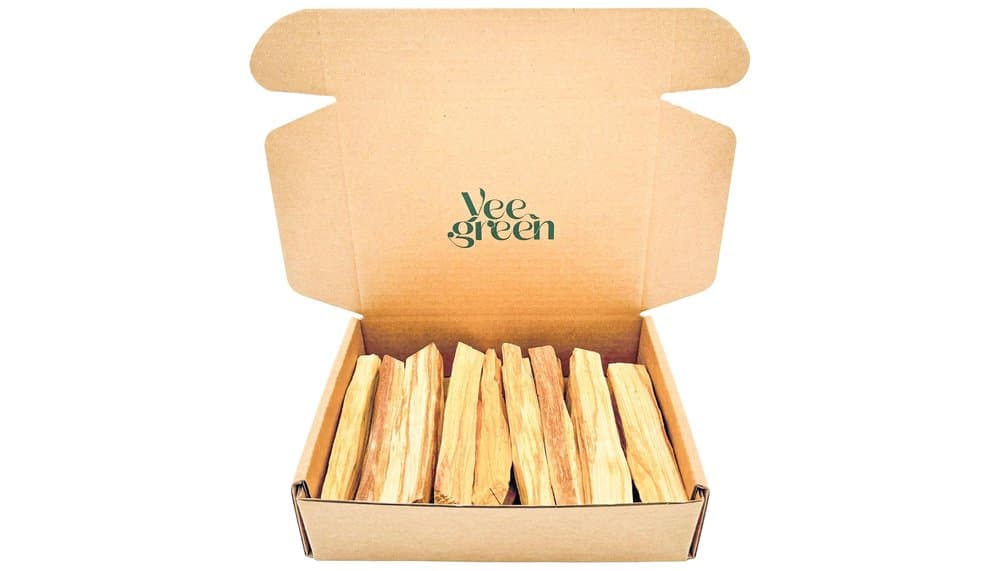
Veegreen White Sage and Palo Santo Incense Set Review
Review the traditional ritual of smudging with white sage and palo santo for cleansing air naturally, as an alternative to modern air purifiers.
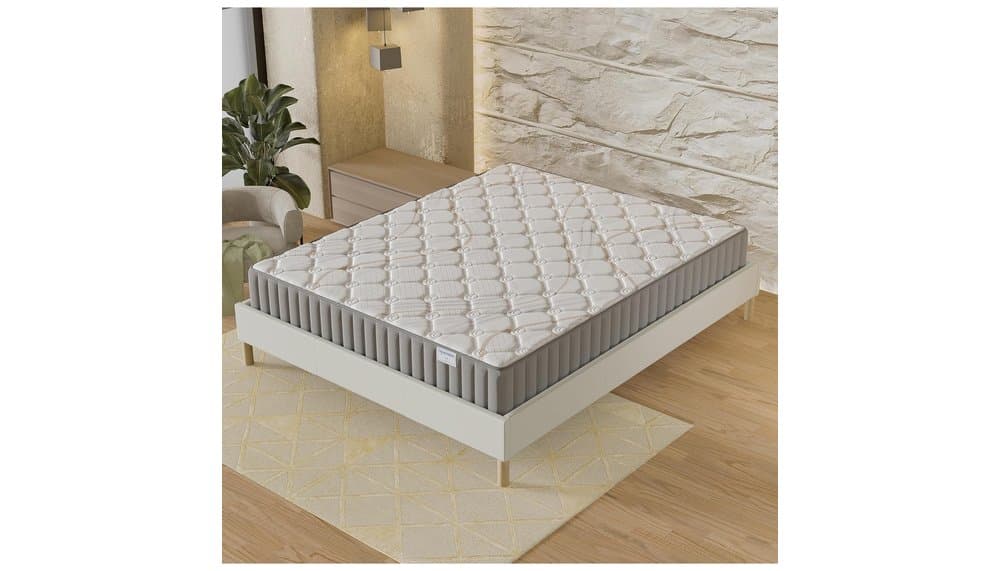
NOVEMBER Sirius Mattress Review: Complete Test Analysis
A deep analysis of the NOVEMBER Sirius mattress for healthy sleep. We test its materials and construction for allergens, VOCs, and overall sleep hygiene.
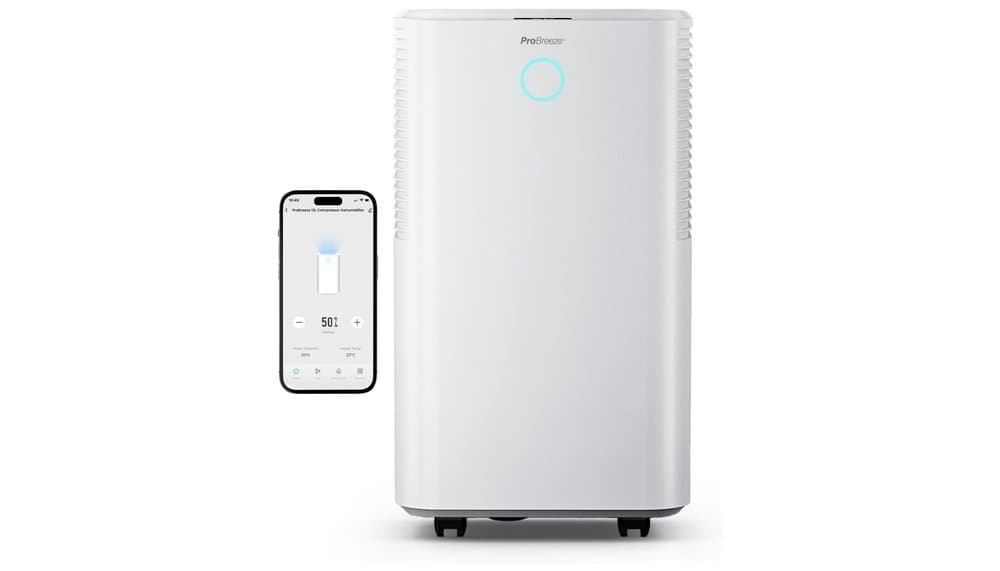
Pro Breeze OmniDry D 12L Dehumidifier Review
Eliminate humidity, allergens, and mold with the Pro Breeze OmniDry Dehumidifier. Discover how it improves air quality for a healthier, chemical-free home.
Guides you might like
Air Purifier Buying Guide
Indoor air can be more polluted than outside. Learn how to choose the right air purifier to combat dust, VOCs, and allergens.
Allergen Fighter Dehumidifier Buying Guide
Combat allergies from dust mites and mold caused by high humidity at home. A good dehumidifier protects your family's health.

Anti-allergen vacuum cleaner
Does vacuuming worsen allergies? Yes, with a poor filter. Choose the right vacuum to trap allergens and protect your health.