Clean Carbon 24 Pellets Review for Air Purifiers

Complete Analysis: Clean Carbon 24 Activated Carbon Pellets for Air Purification
In the quest for healthy indoor air, we often turn to sophisticated purifiers. But the most powerful weapon against invisible pollutants is sometimes the simplest: activated carbon. Today, we dissect the Clean Carbon 24 Activated Carbon Pellets, pellets designed to refill the filters in our appliances. Can they truly help us clean our air without chemicals? That is what we will analyze, based on their technical specifications and community feedback.
Strengths and Weaknesses
What we like
- Measurable technical efficiency with solid industrial indicators (iodine index > 900 mg/g, BET surface ~1050 m²/g).
- Remarkable versatility of use, from domestic air purifiers to kitchen hoods, and even more unusual applications (septic tanks, litter boxes).
- A "clean" and practical design: doubly dust-free pellets and robust structure for constant airflow and dust-free handling.
- An economical and ecological solution for refilling often expensive carbon filters, with an Acid Free composition and possible disposal in compost.
Limitations to be aware of
- Is not a standalone solution: absolutely requires an appliance or filtering container to function.
- Variable effectiveness depending on the application: feedback shows effectiveness depends greatly on the system the pellets are integrated into.
- No action on particles: does not remove dust, pollen, or allergens. Its role is complementary to a HEPA filter.
- Lifespan and saturation difficult to assess without real-world testing, depending on pollutant concentration.
Detailed analysis: what can we really expect from these pellets?
The heart of our analysis lies in a simple question: do these pellets concretely improve the quality of the air we breathe? Examining the technical specifications, we quickly understand this is not a gimmick. The announced figures are of an industrial standard.
The first key parameter is the iodine index (> 900 mg/g). In simple terms, this measures the adsorption capacity of the carbon's micropores. A score above 900 is considered excellent and indicates high effectiveness in trapping gas molecules and Volatile Organic Compounds (VOCs). The second is the BET specific surface (~1050 m²/g). Imagine that a single gram of this carbon has an internal surface area equivalent to a quarter of a football field. It is in this microscopic labyrinth that pollutants are captured.
Concretely, this means the Clean Carbon 24 Pellets are designed to target gaseous pollutants that HEPA filters cannot catch:
- Persistent odors (kitchen, tobacco, pets, mold).
- VOCs, those chemical emissions from paints, new furniture, cleaning products, or air fresheners.
- Certain gases like formaldehyde, a common and irritating household pollutant.
Their 4 mm diameter and their dimensionally stable pellet structure are not mere details. This guarantees an optimal airflow in your appliance's filter, avoiding excessive pressure loss that would reduce your purifier's performance. The "doubly dust-free" mention is also crucial for health use: it ensures no charcoal dust will be emitted into your air, a common flaw with lower-quality activated carbons.
Recap of technical specifications
| Parameter | Value / Description | Significance for air quality |
|---|---|---|
| Form | Pellets (granules) | Allows uniform airflow, ideal for domestic purifier filters. |
| Diameter | 4 mm | Standard format compatible with the majority of integrated carbon filters (hoods, purifiers). |
| Origin & Manufacturing | Germany, Steam activation | Physical (non-chemical) process reputed for creating clean and effective microporosity. |
| Iodine Index | > 900 mg/g | Very high adsorption capacity for gases and organic molecules. Indicator of excellent quality. |
| BET Surface | ~1050 m²/g | Extremely vast contact surface for trapping pollutants. |
| CCl4 Adsorption | > 60% | Performance indicator for vapor and organic compound adsorption. |
| Ash Content | ≤ 8% | Low mineral impurity content, sign of a quality material. |
| pH | 9-11 (slightly alkaline) | Acid Free, therefore non-aggressive and suitable for a domestic environment, with no risk of corroding appliances. |
| Physical Property | Doubly dust-free | Virtually dust-free, preventing air contamination during filling or use. |
What users say: between proven effectiveness and system dependence
The synthesis of 237 reviews (with an overall rating of 4.4/5) gives us a clear picture of real-world uses and product perception.
Repeated successes are evident in targeted applications where the carbon is in direct contact with an airflow laden with odors:
- Refilling existing filters: This is the most praised use. Many users buy them to refill the carbon filter in their kitchen hood or refrigerator, thus avoiding the purchase of much more expensive complete cartridges. They note the pellets are identical to the originals in size and shape.
- Treating specific and strong odors: Several accounts report remarkable effectiveness in neutralizing septic tank odors or in the context of cat litter boxes. In these cases, the pellets are placed in a duct or bin, proving their adsorptive power.
Points of caution or disappointments highlight an important reality:
- Effectiveness is not magic: One disappointed user notes having observed "no difference" in absorbing ambient air odors and chemicals. This feedback, although in the minority, is instructive. It reminds us that for a carbon filter to be effective in a room, it must be integrated into a forced ventilation system (an air purifier) that circulates a sufficient volume of air through the mass of carbon. Pellets placed in a bowl in a corner of the room will have a negligible impact.
- Lifespan is not quantified by the reviews. It will depend entirely on the pollution level of the treated air. In a very active kitchen or facing constant emissions, saturation will occur more quickly.
Conclusion: an effective technical product, provided it is used appropriately
The Clean Carbon 24 Activated Carbon Pellets stand out as a serious, professional-grade solution for anyone looking to refill or create a gaseous adsorption filter. Their technical specifications are undeniably high and correspond to what is expected from an activated carbon effective against VOCs and odors.
However, it is crucial to understand their role in our arsenal for healthy air. They do not replace a HEPA filter; they complement it. To summarize: HEPA captures particles (allergens, dust), activated carbon captures gases and odors. They are therefore the perfect ally for refilling the second filtration stage of your air purifier, or for maintaining your hood in recirculation mode.
Our verdict: If you own an appliance with a refillable carbon filter (purifier, hood, high-end dehumidifier), these pellets are an excellent, economical, and high-performance choice. They are also a clever solution for localized and intense odor problems (bathroom extractor fan, closet, diaper pail). On the other hand, do not see them as a standalone, miraculous solution for purifying the air of an entire room without a suitable air circulation system. Used appropriately, they constitute a strong and healthy link in an overall chemical-free air cleaning strategy.
Independent and transparent — Our articles are based on in-depth research and real user reviews. No brand sponsors our content. Affiliate links help fund the site, at no extra cost to you.
Articles you might like
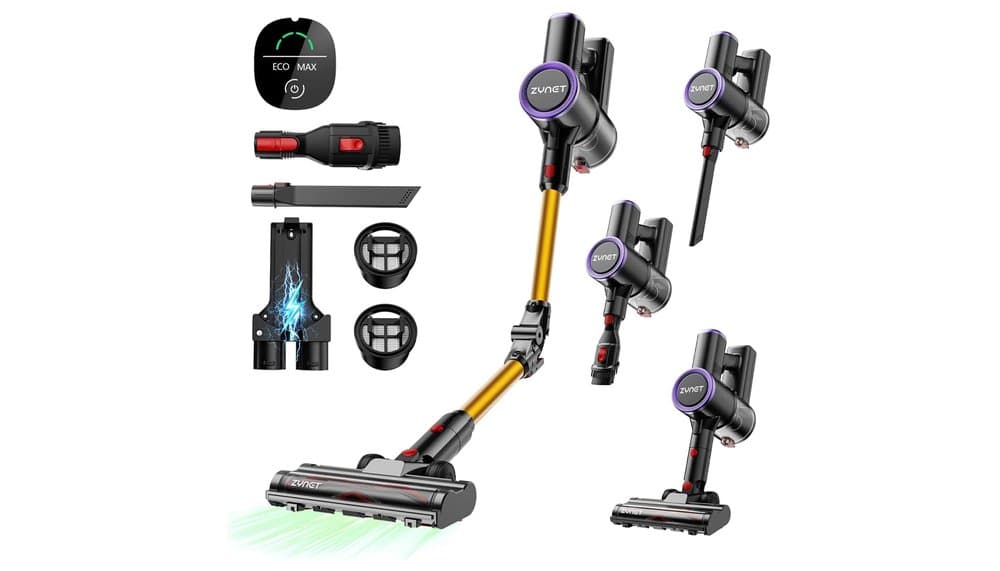
Zynet S9 Cordless Vacuum Cleaner Review
Zynet S9 stick vacuum review: Analyzing its power, battery life, and claimed 99.99% filtration for effective allergen removal and cleaner indoor air.
SOMATHERM FOR YOU Air Purifier with HEPA 13 & UV-C
Clean your air with this purifier: HEPA 13 filter, UV-C light, and water wash technology remove dust, pollen, VOCs, and germs.
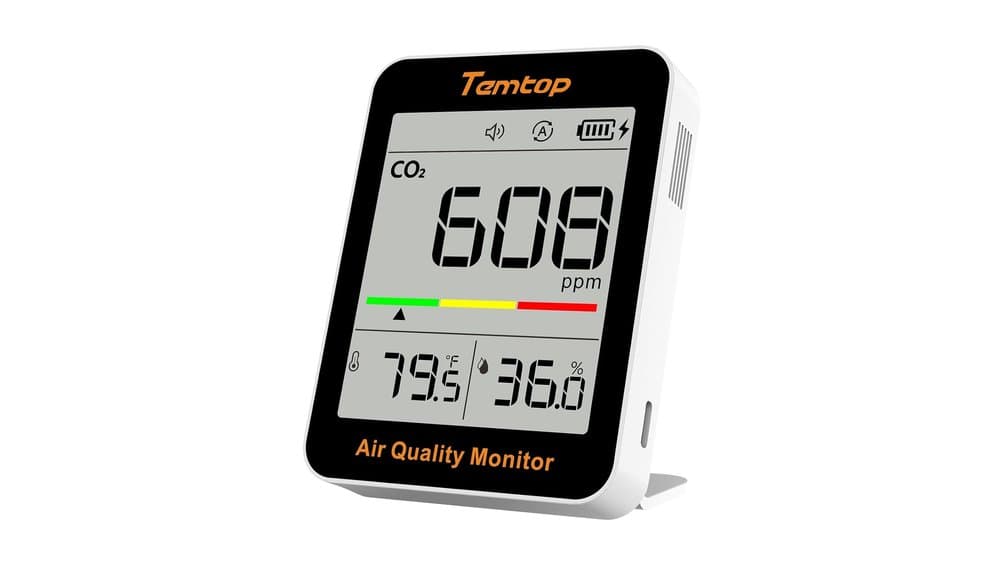
Temtop C1 CO2 Monitor Review: In-Depth Test
Review the Temtop C1 CO2 monitor, a discreet diagnostic tool measuring CO2, temperature, and humidity for healthier indoor air.
Guides you might like
Air Purifier Buying Guide
Indoor air can be more polluted than outside. Learn how to choose the right air purifier to combat dust, VOCs, and allergens.
Allergen Fighter Dehumidifier Buying Guide
Combat allergies from dust mites and mold caused by high humidity at home. A good dehumidifier protects your family's health.
Anti-allergen vacuum cleaner
Does vacuuming worsen allergies? Yes, with a poor filter. Choose the right vacuum to trap allergens and protect your health.