Miko H13 Air Purifier Test & Review
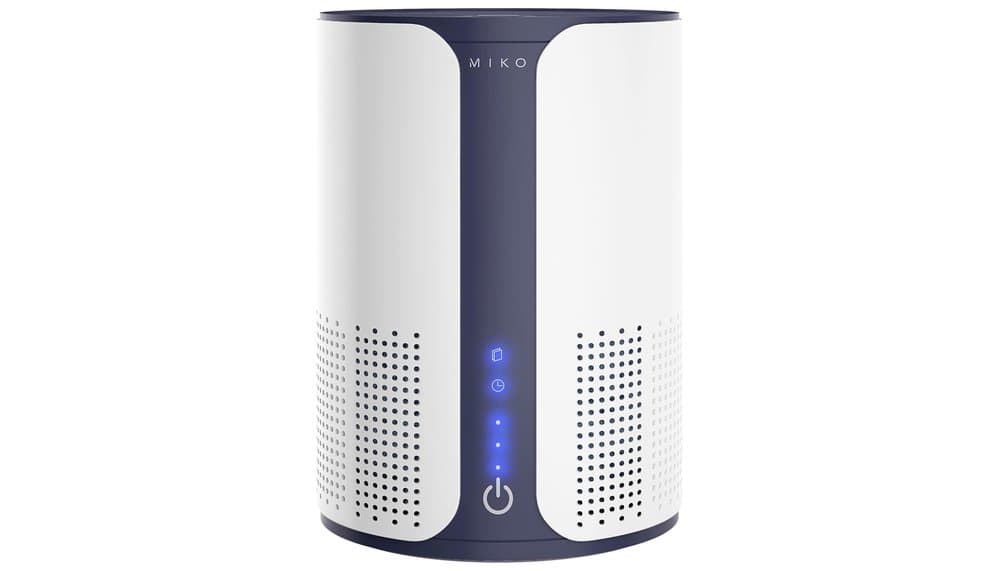
Introduction
In our quest for healthier indoor air, free from chemical pollutants and allergens, choosing an air purifier is often a key step. The Miko H13 Air Purifier presents itself as a promising solution, particularly thanks to its True HEPA H13 filter, a benchmark in mechanical filtration. In a dense market, it claims to offer effective cleaning for rooms up to 86 m².
But beyond marketing promises, what is it really worth for our health and daily comfort? Is its filtration sufficiently comprehensive? Is its operation suitable for use in a bedroom, including with young children? We will dissect this product together, relying on its technical specifications and the reality of feedback from the user community and testers. Our goal: to give you a clear vision to know if this device meets your needs for a healthy home.
Strong Points
Analysis of specifications and feedback reveals several major strengths of the Miko H13.
- Medical-grade HEPA H13 filtration: This is its main argument. This filter level captures 99.97% of particles down to 0.3 microns, covering the vast majority of airborne allergens.
- Clean Air Delivery Rate (CADR) suited to medium rooms: With a CADR of 150 m³/h, the device is sized to effectively renew the air in rooms up to ~30 m² (approximately 86 m² in volume), a common size for a living room or large bedroom.
- Notable silence on low speed: Testers and users unanimously confirm that night mode or speed 1 is very discreet, with noise measured around 25 dB. This makes it an ally compatible with sleep and remote work.
- Design and ease of use: Its touch control panel and clean aesthetic are regularly praised. The timer function and filter replacement indicator simplify daily management.
- Strong certifications: The CARB, EPA, and ETL certifications attest that the device meets strict standards regarding ozone emissions (it produces none) and electrical safety, a mark of seriousness.
Weak Points
No product is perfect, and the Miko H13 reveals some limitations, mainly from field feedback.
- Contrasting sound performance at max speed: While the low level is very quiet, several users note that the higher speeds can become audible, even bothersome in a quiet environment. Reported measurements (42-52 dB) confirm that the advertised "leaf rustling sound" only applies to the lowest mode.
- Availability and cost of replacement filters: This is the most frequent point of vigilance in the community. Replacement filters (which combine pre-filter, HEPA H13, and activated carbon) can be hard to find consistently and their long-term price is a factor to include in the overall cost.
- Absence of automated air quality sensor (on this model): Contrary to some descriptions or other models from the brand, this specific purifier does not appear to be equipped with an "Auto" mode driven by a sensor. Speed management therefore remains manual.
- Occasionally uneven robustness: Some isolated but recurring reports mention early failures (mainly power-related), suggesting increased vigilance during initial use and the importance of the warranty.
Detailed Analysis
Let's now dive into the heart of the matter: the effectiveness of this purifier at cleaning the air in your home.
Filtration Level and Effectiveness Against Pollutants
The Miko H13 relies on 3-stage filtration, a classic but robust architecture.
- The pre-filter: This is the first line of defense. It captures large particles like pet hair, human hair, and visible dust. This protects the main HEPA filter and extends its lifespan.
- The True HEPA H13 filter: This is the heart of the system. As confirmed by the EN1822 standard, it retains 99.97% of fine particles of PM2.5 and PM0.3 size. Concretely, this means it is highly effective against:
- Allergens: Pollen, mold spores, dust mites (their droppings).
- Fine particles: Household dust, combustion residues.
- Biological agents: Bacteria, some viruses (carried by droplets or aerosols), fungi.
- The activated carbon filter: This layer treats gaseous pollution. The carbon absorbs Volatile Organic Compounds (VOCs) from paints, furniture, cleaning products, as well as odors (cooking, tobacco, pets).
Our analysis: On paper, the combination is complete and scientifically effective. User feedback aligns with this: a majority note a tangible reduction in allergens, a decrease in dust on surfaces, and a mitigation of persistent odors (tobacco, cooking, litter). Effectiveness against smoke (from fireplaces or outdoor fires) is also frequently mentioned. It is therefore a device that acts on the three main types of indoor pollution: particulate, biological, and light chemical.
Noise Level and Daily Use
Noise management is crucial for long-term adoption, especially if the device must run continuously in a living or sleeping space.
- Night Mode/Speed 1 (≈25 dB): This is where the Miko H13 excels. This noise level is comparable to a soft whisper and is perfectly acceptable for a bedroom, nursery, or office. The community overwhelmingly validates this: "silent," "doesn't disturb sleep."
- Speeds 2 and 3 (up to 50+ dB): Opinions are more divided. At full power, the fan noise becomes significant, comparable to that of a charging laptop or a calm conversation. This can be useful for a quick air cleaning after cooking, but prolonged use in a quiet space can be disruptive. The mention "noisy" in some reviews almost always concerns these maximum speeds.
Our advice: For continuous use, plan to run it primarily on low speed. Reserve the higher speeds for occasional, intensive purifications when you are not in the room.
Management and Cost of Consumables
This is often the Achilles' heel of purifiers. The Miko H13's combined filter should be replaced approximately every 6 to 8 months, depending on your environment's pollution level (presence of pets, smoking, etc.).
- Replacement indicator: The presence of an alert light is a real plus to avoid forgetting to change the filter, thus guaranteeing permanent optimal effectiveness.
- Availability: Feedback indicates that it is sometimes necessary to anticipate purchasing replacement filters, as they are not always immediately available from all retailers. Check this availability before purchasing the device.
- Long-term cost: This is a budgetary element to consider. The annual maintenance cost (2 filters per year) must be added to the initial purchase price to assess the true investment.
Summary Technical Sheet
Here is a summary of the key characteristics of the Miko H13 Air Purifier:
| Characteristic | Detail |
|---|---|
| Model Name | Miko H13 Air Purifier (MA-01CW) |
| Filtration Type | 3 stages: Pre-filter + True HEPA H13 (99.97% at 0.3µm) + Activated Carbon |
| Recommended Coverage | Up to 86 m² (approximate area, based on air volume) |
| CADR (Clean Air Delivery Rate) | 150 m³/h |
| Speed Levels | 3 speeds + Night/Silent Mode |
| Noise Level | ≈25 dB (Speed 1/Night Mode) - Up to ~52 dB (Max speed) |
| Features | Timer (2/4/8h), Filter replacement indicator, Essential oil port, Touch control |
| Power Consumption | 25 Watts (Energy efficient) |
| Certifications | CARB, EPA, ETL, UL, ROHS (Ozone-free) |
| Dimensions (H x W x D) | 31.8 cm x 21.6 cm x 21.6 cm |
| Weight | 2.95 kg |
What Users and Testers Say
Synthesizing several hundred reviews and expert feedback gives us a nuanced and very concrete picture of the product.
Recurrent praise (Positive Points):
- Proven effectiveness: Improved air quality is the number one feedback. Users suffering from allergies (pollen, dust mites) or asthma report a noticeable improvement in their symptoms. Those living with pets observe a strong reduction in airborne hair and litter odors.
- Silence in night mode: The discretion of the device on low speed is widely praised and is a decisive argument for many.
- Design and simplicity: The touch interface and modern aesthetic are often cited as assets.
- Reaction to strong pollutants: Its action on smoke (cigarette, wood fire) and cooking odors is described as rapid and effective.
Criticisms and reservations (Negative Points):
- Noise at high speeds: As noted, "silence" is not a uniform characteristic. Several users find speeds 2 and 3 too noisy for serene use in their presence.
- Mixed satisfaction regarding longevity: While the majority is satisfied, there is a low percentage of early failures (device not restarting after a few hours). The one-year warranty and the seller's return policy are therefore important.
- Replacement filters: The difficulty in procuring authentic filters and their cost are the main long-term complaints.
Overall trend: Despite its limits, the sentiment is overwhelmingly positive. The Miko H13 is perceived as offering excellent performance/price ratio, especially for those primarily seeking the effectiveness of a HEPA H13 filter coupled with quiet nighttime operation.
Conclusion
The Miko H13 Air Purifier positions itself as a serious and effective purifier for those wishing to improve indoor air quality without resorting to complex or expensive technologies. Its master strength is undoubtedly its True HEPA H13 filter, which gives it real and measurable effectiveness against allergens, fine particles, and biological agents.
It is particularly suited for households dealing with seasonal allergies, presence of pets, or household dust. Its very quiet operation on low speed makes it an ideal candidate for bedrooms and nurseries.
However, it requires the user to be proactively vigilant: manual speed management based on needs, anticipating the purchase of replacement filters, and being attentive to potential signs of weakness during the first weeks of use.
In summary, if you are looking for a robust purifier based on proven filtration technology (HEPA H13 + carbon), and quiet enough to run day and night in your living space, the Miko H13 fully deserves your consideration. It brilliantly fulfills its fundamental mission: filtering the air to allow you to breathe better, at home, in complete serenity.
Independent and transparent — Our articles are based on in-depth research and real user reviews. No brand sponsors our content. Affiliate links help fund the site, at no extra cost to you.
Articles you might like
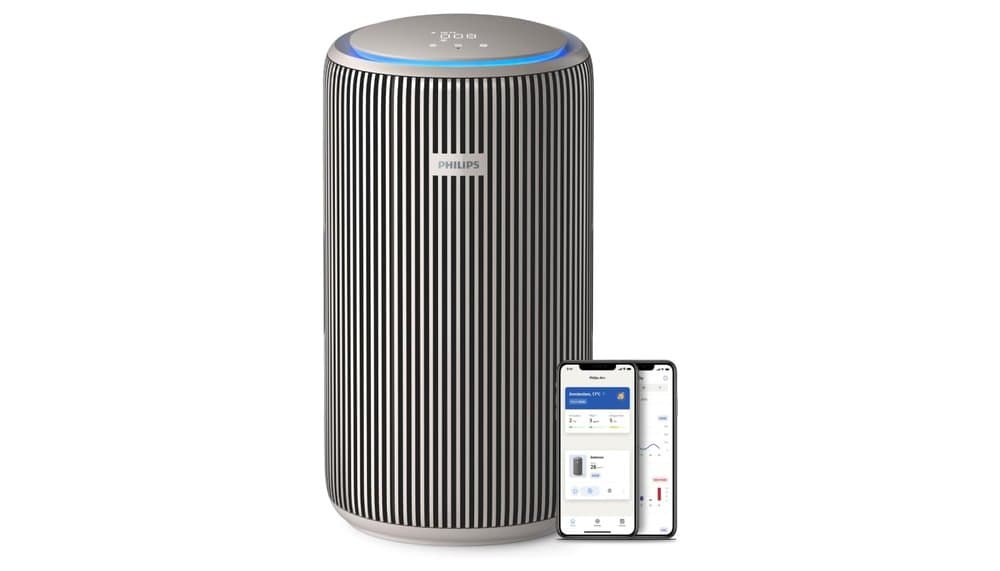
Philips PureProtect 3200 Series AC3210 Air Purifier Review
Discover how the Philips air purifier tackles dust, pollen, VOCs & odors, creating a cleaner, healthier indoor environment for your well-being.
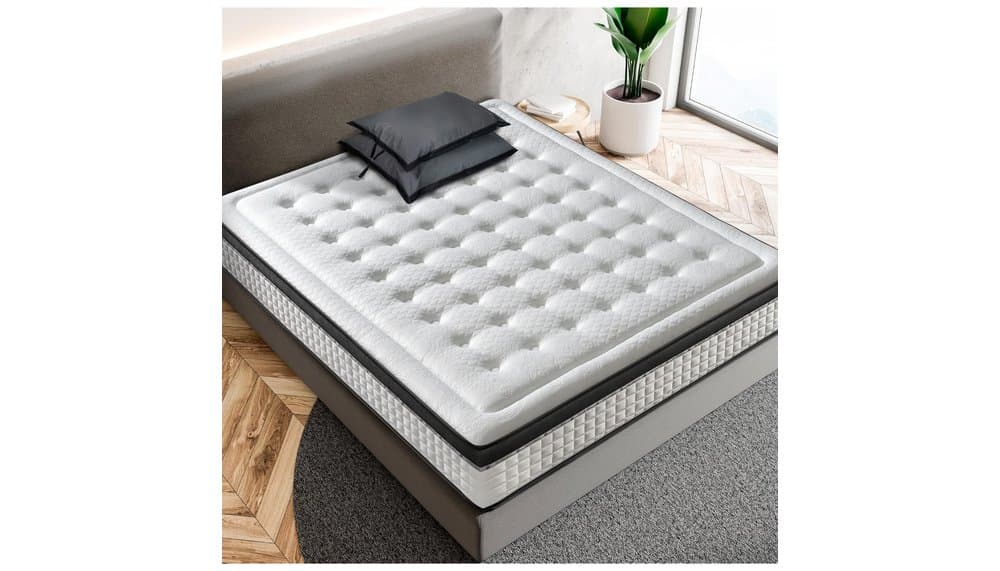
Luxiabed Memoryvex Memory Foam Mattress Review
Luxiabed Memoryvex review: Analyzing memory foam mattress comfort, VOC emissions, allergens & sleep hygiene for a healthy night's rest.
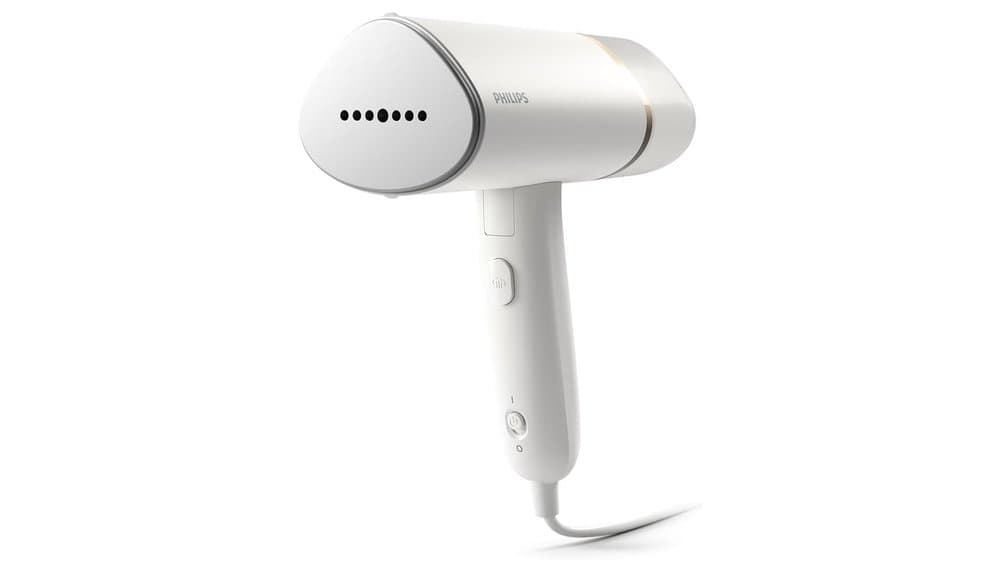
Philips Hand Steamer 3000 Series Test & Review
Philips Hand Steamer 3000 Series: A quick, chemical-free way to de-wrinkle clothes while improving hygiene and indoor air quality.
Guides you might like
Air Purifier Buying Guide
Indoor air can be more polluted than outside. Learn how to choose the right air purifier to combat dust, VOCs, and allergens.
Allergen Fighter Dehumidifier Buying Guide
Combat allergies from dust mites and mold caused by high humidity at home. A good dehumidifier protects your family's health.

Anti-allergen vacuum cleaner
Does vacuuming worsen allergies? Yes, with a poor filter. Choose the right vacuum to trap allergens and protect your health.