Nedis DEHU20WTW Smart Dehumidifier Review & Test
Introduction
In our quest for a healthy interior, the air we breathe is often the first invisible frontier. While air purifiers are often discussed for capturing dust, there is another fundamental parameter: relative humidity. Air that is too humid becomes the ideal playground for dust mites, mold, and other undesirable elements that affect our respiratory well-being and the health of our homes. It is in this context that we examine the Nedis DEHU20WTW SmartLife Smart Dehumidifier. This connected dehumidifier promises to intelligently regulate humidity in sizable spaces. But beyond marketing promises, what does it really bring to our indoor air quality? Is it a discreet ally for families concerned about preventing allergens? Let's dissect its specifications, operation, and feedback from those who use it daily.
Key Takeaways
The Nedis DEHU20WTW positions itself on several technical strengths that can meet specific needs in a household.
- Substantial Absorption Capacity: With an advertised extraction of 20 liters of water per day, it targets rooms up to 195 m³ (approximately 70 m² with 2.50 m ceilings). This makes it theoretically suitable for large living rooms, damp basements, or older houses.
- Complete SmartLife Connectivity: Wi-Fi integration and the dedicated app are its flagship feature. They allow for remote control, scheduling of time slots, and real-time humidity monitoring. Voice assistant support via Alexa or Google Assistant is also advertised.
- Intelligent Automatic Control: The adjustable hygrostat is central. The device is supposed to automatically adjust to maintain the humidity level you set, thus avoiding overconsumption and excessive drying of the air.
- A Practical Function: the "Laundry Drying" Mode: This dedicated option extends ventilation to aid in drying laundry indoors, a common situation that can significantly increase humidity and promote mold.
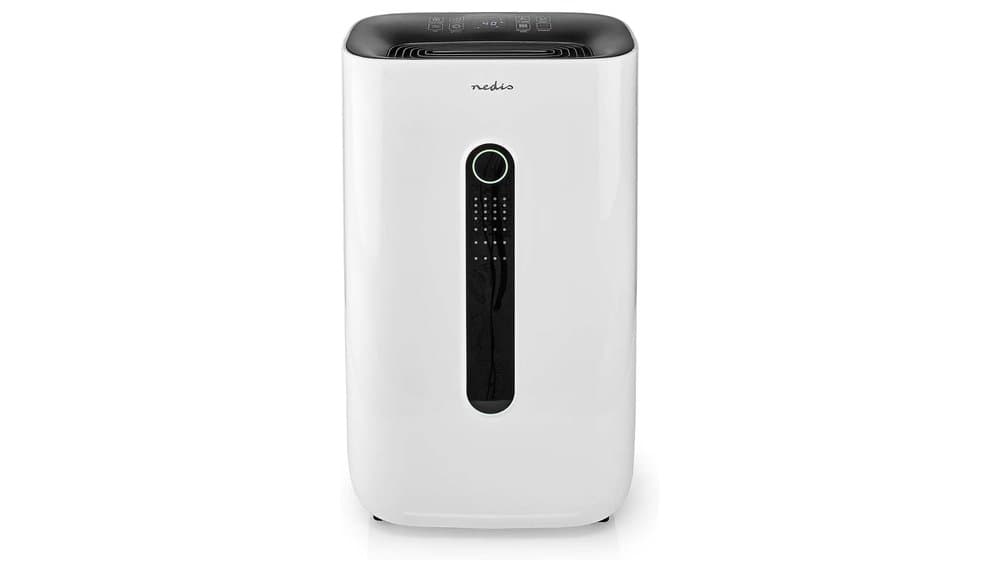
- Compact Design and Autonomy: Its dimensions (24 x 34 x 57 cm) make it a relatively discreet appliance. The 20-liter tank offers good autonomy, reducing the frequency of emptying depending on usage conditions.
Weaknesses to Consider
The analysis of user feedback and technical characteristics also highlights some important gray areas for our community concerned with serenity and health.
- Lack of Advanced Air Filtration: This is the most crucial point for us. The Nedis DEHU20WTW is a condensation dehumidifier, not an air purifier. According to its specs, it does not have a HEPA filter, no activated carbon filter, and no UV-C lamp. Its action on air quality is indirect: by lowering humidity, it creates a less favorable environment for dust mites and mold, but it does not capture fine particles (PM2.5, PM10), pollen, pet dander, or VOCs (Volatile Organic Compounds). The air that comes out is drier and slightly warm, but not "cleaned" in the air purifier sense.
- A Questionable Noise Level: Several users describe it as noisy, comparing it to the hum of an "old refrigerator." This raises the question of its compatibility for use in a bedroom or a quiet living room, especially during nighttime operation. Although not precisely quantified in reviews, this trend should be taken seriously.
- Perceived Build Quality and Reliability: One review notes plastics perceived as medium quality, with a feeling of fragility and vibrations. Another user reports difficulties integrating with Alexa and a lack of customer support in their case.
- Energy Consumption Class B: With a power of 420W, its energy efficiency is rated B. It is not among the most economical on the market, which can impact the electricity bill with intensive use, especially in winter.
Detailed Analysis: Performance and Health Impact
What is its True Role in Air Sanitation?
It is essential to understand what the Nedis DEHU20WTW does and does not do. Its mechanism is simple: it draws in ambient air, cools it on an evaporator to condense its moisture, which is collected in the tank, then reheats the dry air before expelling it.
Its health impact is therefore preventive and environmental:
- Fights Mold: By maintaining relative humidity below 60% (ideally between 40% and 50%), it removes the main condition for the proliferation of mold spores, powerful irritants and allergens.
- Hinders Dust Mite Population: These microscopic allergens thrive above 70% humidity. Drier air limits their reproduction.
- Reduces Musty Odors: Excessive humidity in basements or laundry rooms is often linked to unpleasant odors, which dehumidification helps dissipate.
- Protects the Building Structure: It protects walls, furniture, and books from damage caused by humidity.
However, it is crucial to note that it does not perform any active disinfection. It does not kill bacteria or viruses suspended in the air. Its contribution to healthy air is to correct a parameter (humidity) which, when out of range, exacerbates problems.
The "Laundry Drying" Mode: A Concrete Asset
This function is more than a gimmick. Drying laundry indoors can release several liters of water into a home's air. The dedicated mode, according to the description, activates prolonged ventilation to quickly expel this temporary humidity. This is a relevant feature to prevent a humidity spike that generates condensation and, eventually, mold on walls or ceilings.
Connectivity and Daily Use
The "smart" promise is appealing. Being able to start dehumidification from your sofa or program the device to run in your absence is a real convenience. One satisfied user describes the app as simple and intuitive, allowing for complete control. However, the negative feedback regarding the inability to connect it to Alexa and the lack of associated support highlights a potential risk of frustration if the smart home ecosystem doesn't work perfectly right away.
Noise Level: Can You Forget About It?
This is probably its biggest limitation for continuous use in living spaces. While testers and users highlight its effectiveness, they almost systematically mention its constant motor and fan noise. For an adult's or baby's bedroom, this could be a deal-breaker, unless used only during the day when absent. It would be better suited for a basement, laundry room, or entryway where its activity would be less disturbing.
Summary Technical Specifications
| Feature | Nedis DEHU20WTW Specification |
|---|---|
| Extraction Capacity | Up to 20 liters / day |
| Room Volume | Up to 195 m³ (approx. 70 m²) |
| Technology | Condensation dehumidification (compressor) |
| Tank | 20 liters (with automatic stop and continuous drainage possible) |
| Connectivity | Wi-Fi, Nedis SmartLife app, advertised voice control (Alexa/Google) |
| Special Functions | Adjustable hygrostat, Laundry Drying Mode, Timer, Automatic ventilation |
| Filtration Level | No advanced filters. Basic air filter likely (to protect condenser) - No HEPA, activated carbon, or UV-C. |
| Power / Energy Class | 420W / Class B |
| Noise Level | Not disclosed by the manufacturer. Described as noisy by users. |
| Dimensions (H x W x D) | 57 x 34 x 24 cm |
| Weight | 13.1 kg |
What Users Say: Summary of Feedback
The reviews, although few, paint a contrasting but illuminating profile.
Recurrent Positive Points:
- Real Effectiveness: Satisfied users confirm it fulfills its primary mission well: lowering the humidity level in the room and maintaining the set level. The tank capacity is appreciated.
- Appreciated Functionalities: The app and connectivity are cited as major assets when they work. The laundry drying mode and precise hygrostat adjustment are perceived as useful.
- Design: Its modern and compact appearance is seen as a plus for integrating into an interior.
Raised Negative Points:
- Noise: This is the most frequent criticism. It is described as too noisy for use in a quiet living room, evoking a persistent hum.
- Perceived Quality: The quality of the plastics is judged as medium, with mentions of vibrations and an impression of fragility.
- Connectivity Issues: At least one user experienced a failed integration with Alexa and complained of unresponsive customer service in their case, leading to a product return.
- Heat Emission: The expelled air is warm, which can be a small plus in winter but a drawback in summer.
The overall rating of 3.0/5 reflects this duality: a technically effective appliance, but whose noise nuisance and reliability uncertainties weigh on the overall experience.
Conclusion: Who is it Suitable For?
The Nedis DEHU20WTW SmartLife Smart Dehumidifier is an appliance with serious technical strengths on paper: high capacity, advanced connectivity, and intelligent automated functions. For use in a technical room, damp basement, laundry room, or large conservatory, where noise is secondary and the goal is to actively combat structural humidity, it could be a relevant candidate.
However, for our community focused on a healthy, serene, and chemical-free indoor environment, its limitations are clear. Its complete lack of filtration for pollutants and allergens makes it a tool for regulating the environment, not purifying the air. While it combats the causes of some allergens (dust mites, mold), it does not treat their effects once airborne. Its noise level, as reported, makes it poorly suited for bedrooms, studios, or relaxation spaces where quiet is precious.
In summary, see it as a connected and high-performance humidity regulator for utility rooms or very damp spaces, but not as a magic solution for your living room or bedroom air. For these living spaces, it should ideally be paired with an air purifier equipped with a HEPA filter to act on all fronts of air quality. Its purchase is justified if your main problem is chronically high humidity, being aware of its acoustic limitations and its complementary role in the ecosystem of truly healthy indoor air.
Independent and transparent — Our articles are based on in-depth research and real user reviews. No brand sponsors our content. Affiliate links help fund the site, at no extra cost to you.
Articles you might like
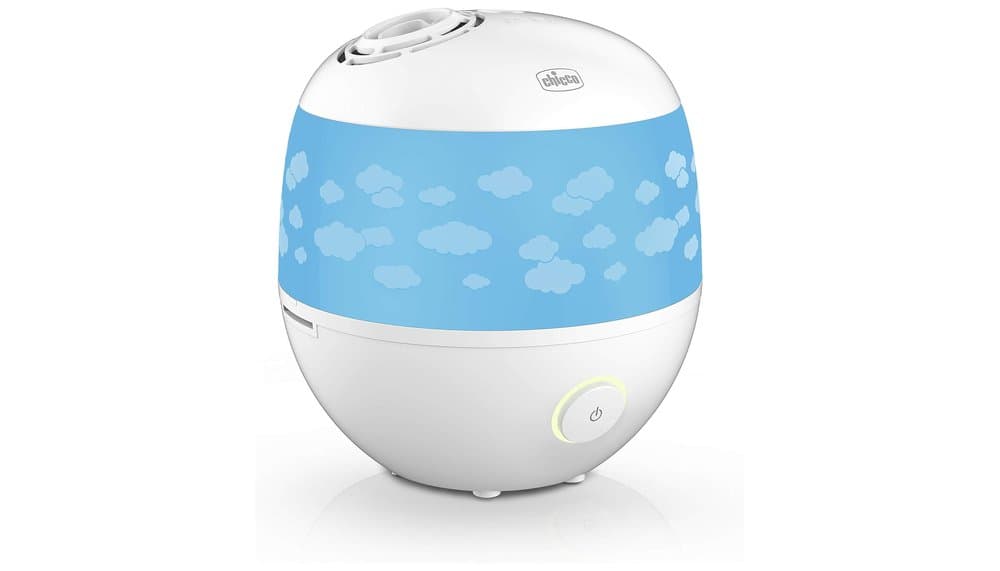
Chicco Humi Hot Advance Air Humidifier Review
Chicco Humi Hot Advance Air humidifier review for kids: warm steam relief for seasonal discomforts in a chemical-free home.
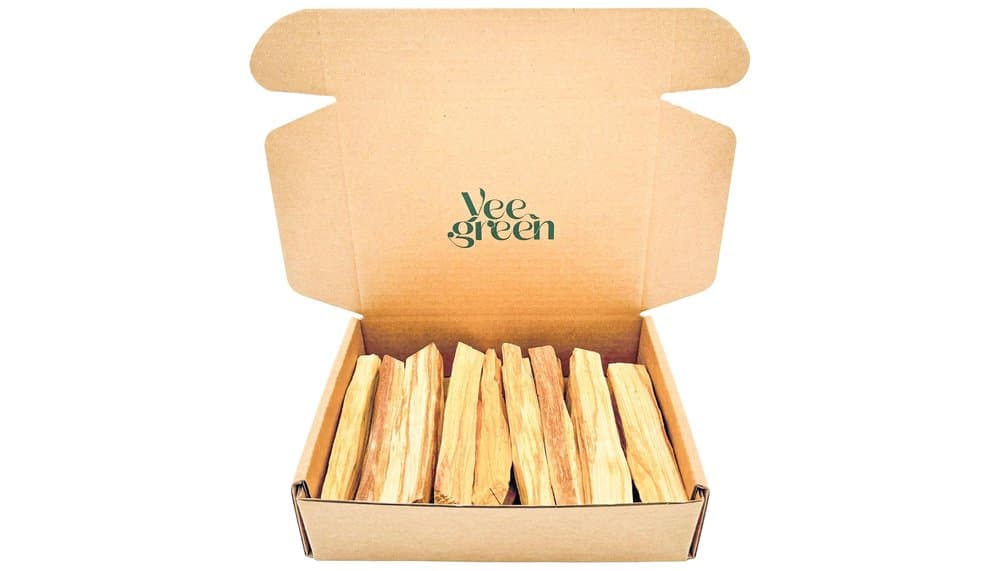
Veegreen White Sage and Palo Santo Incense Set Review
Review the traditional ritual of smudging with white sage and palo santo for cleansing air naturally, as an alternative to modern air purifiers.
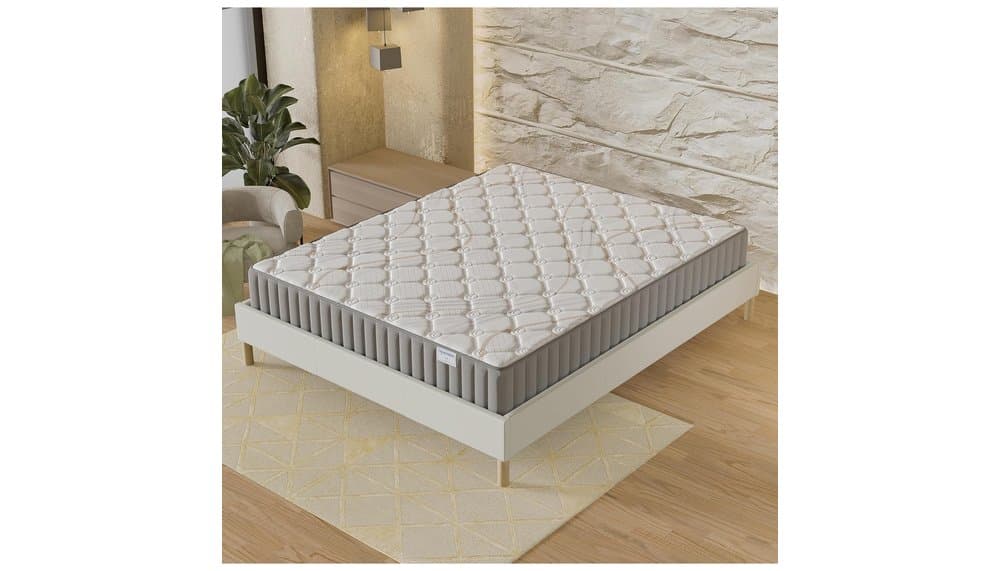
NOVEMBER Sirius Mattress Review: Complete Test Analysis
A deep analysis of the NOVEMBER Sirius mattress for healthy sleep. We test its materials and construction for allergens, VOCs, and overall sleep hygiene.
Guides you might like
Air Purifier Buying Guide
Indoor air can be more polluted than outside. Learn how to choose the right air purifier to combat dust, VOCs, and allergens.
Allergen Fighter Dehumidifier Buying Guide
Combat allergies from dust mites and mold caused by high humidity at home. A good dehumidifier protects your family's health.
Anti-allergen vacuum cleaner
Does vacuuming worsen allergies? Yes, with a poor filter. Choose the right vacuum to trap allergens and protect your health.