Philips 600 Series AC0650-10 Air Purifier Test
Introduction
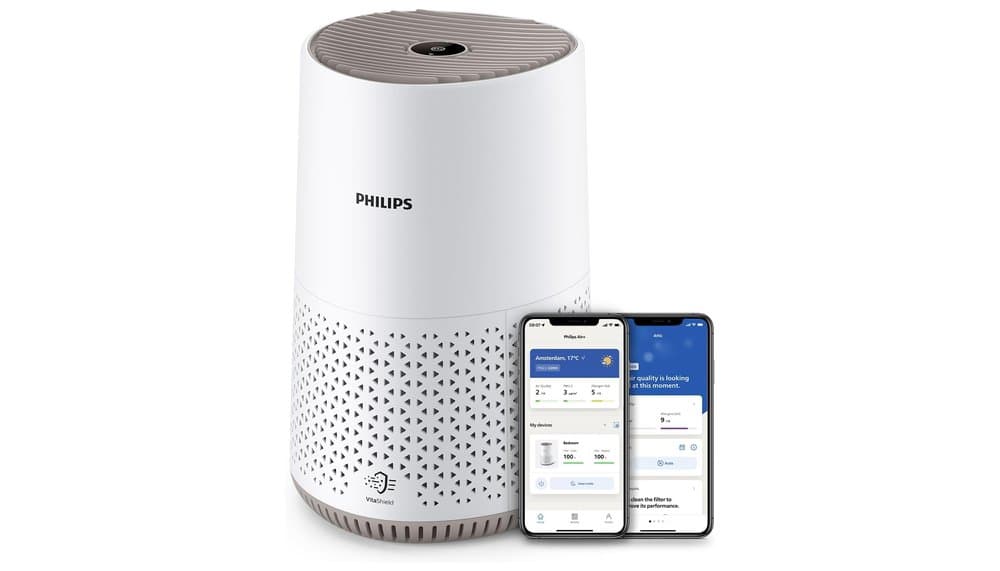
In our quest for a healthy interior, free of harsh chemicals, the quality of the air we breathe is a fundamental pillar. It is often more polluted than outdoor air, laden with fine particles (PM2.5), pollen, pet dander, dust, volatile organic compounds (VOCs), and bacteria. To act on this invisible front, a high-performance air purifier becomes a valuable ally. Today, we analyze in depth the Philips 600 Series Air Purifier (AC0650-10), a connected model designed for rooms up to 44 m². We will dissect its filtration promises, its noise impact for serene use in a bedroom, and its suitability for a healthy and scientific domestic cleaning approach.
Strong Points
- High-performance multilayer filtration: Equipped with HEPA NanoProtect technology announced as twice as effective as a standard HEPA H13 filter for capturing the smallest particles, down to 0.003 micron.
- Smart and practical connectivity: The Philips Air+ application allows for remote control, real-time air quality monitoring, and optimized filter lifespan management.
- Very quiet in night mode: Operation at only 19 dB in standby mode, comparable to the rustling of a leaf, ideal for bedrooms, including a baby's.
- Remarkable energy efficiency: Energy Star certified, it consumes a maximum of 12W, minimizing its electrical footprint while purifying.
- Compact and discreet design: Its reduced footprint allows it to integrate into most interior décors without being obtrusive.
Weak Points
- Long-term cost of ownership: The replacement filters, although durable, represent a significant recurring investment.
- Performance limited to high speeds: At its maximum power, necessary during a pollution spike, the noise level increases noticeably, potentially disturbing conversation.
- Application with room for improvement: Based on community feedback, the application, while useful, can present challenges in terms of ergonomics or connection stability for some users.
- Single sensor for automatic mode: The auto mode relies on an internal sensor. Its effectiveness is optimal for the immediate area around the device, which sometimes requires strategic placement.
Detailed Analysis of the Philips 600 Series (AC0650-10)
Comprehensive Filtration, Beyond Particles
What interests us here is the purifier's ability to treat different types of indoor pollutants. The filtration system of the Philips 600 Series is a three-stage weapon.
- The pre-filter: This is the first line of defense. It captures large particles like pet hair and visible dust, thus protecting the main filter and extending its lifespan.
- The HEPA NanoProtect filter: This is the heart of the device. Philips claims it captures 99.97% of particles as tiny as 0.003 micron (PM0.003). This performance is crucial. It means it is effective against classic allergens (pollen, dust mites), PM2.5 fine particles, but also against a vast majority of viruses and bacteria which are often carried by aerosols of this size. The technology involved uses an electrostatic charge to actively attract particles, improving capture efficiency.
- The activated carbon filter: This is the indispensable element for a "chemical-free" approach. This filter adsorbs gases and odors, as well as Volatile Organic Compounds (VOCs) that may emanate from conventional cleaning products, paints, or furniture. It perfectly complements the HEPA's action for comprehensive purification.
Conclusion: On paper, the system is complete and scientifically coherent. It targets the entire spectrum of domestic pollutants, from solids to gases, which perfectly aligns with the philosophy of a healthy home.
Noise Level: A Discreet Neighbor for the Bedroom?
The promise of operation at 19 dB in night mode is a strong argument. To contextualize, this is a noise level lower than a whisper. According to user feedback, this promise is fulfilled. The device becomes almost imperceptible, and the screen dims automatically, avoiding any light pollution. This is an essential characteristic for use in an adult's, child's, or infant's bedroom, where continuous white noise could disturb sleep.
However, the physical reality of air cleaning dictates that to treat suddenly polluted air (cooking, opening a window), the device switches to a higher speed. Its Clean Air Delivery Rate (CADR) of 170 m³/h is very good for a 44 m² room, but it then generates a more pronounced fan noise. Testers emphasize that this is comparable to the sound of a normal conversation. This is the classic trade-off: rapid purification requires increased power. Fortunately, the automatic mode manages this transition intelligently, based on sensor readings.
Connectivity: An Autopilot for Your Air
Connection via the Philips Air+ application transforms the user experience. It allows you to:
- Visualize in real-time the detected levels of fine particles (PM2.5) and allergens.
- Control the device remotely (on/off, speed, night mode).
- Receive filter replacement notifications.
This last point is key. The device does not rely on a simple time counter but estimates filter wear based on its actual use and the quality of the air treated. This allows for optimizing filter lifespan and avoiding premature replacement, an economic and ecological advantage.
Cost and Maintenance: The Long-Term Investment
This is often the overlooked aspect of purchasing a purifier. The Philips 600 Series uses a triple-in-one filtration block (pre-filter, HEPA, carbon) that must be replaced in its entirety. Its announced durability is 12 months (with 24/7 use), but it can vary depending on conditions. The community notes that the cost of this replacement filter is a point to watch. Therefore, this recurring cost must be anticipated to maintain the device's optimal efficiency. Daily maintenance is limited to regular vacuuming of the pre-filter, a simple and product-free operation.
Technical Specifications
| Characteristic | Detail |
|---|---|
| Model | Philips 600 Series Air Purifier (AC0650-10) |
| Covered Area | Up to 44 m² |
| Clean Air Delivery Rate (CADR) | 170 m³/h |
| Filtration Technology | 3-in-1 Filter: Pre-filter, HEPA NanoProtect, Activated Carbon |
| Particle Capture Rate | 99.97% of particles down to 0.003 micron |
| Noise Level | 19 dB (night mode) to 42 dB (max speed) |
| Connectivity | Philips Air+ Application (Wi-Fi) |
| Power Consumption | Max. 12W (Energy Star Certified) |
| Dimensions (H x W x D) | 34.1 x 23.7 x 24.3 cm |
| Weight | 2.2 kg |
| Main Functions | Auto Mode, Night Mode, 4 Speeds, Air Quality Indicator, Smart Filter Change Reminder |
What Users and Testers Say
A synthesis of community feedback and expert analyses reveals a clear consensus.
The praise mainly focuses on:
- Perceptible effectiveness: Many users suffering from allergies or asthma report a noticeable reduction in symptoms, fewer sneezes, and easier breathing, especially during pollen seasons.
- Silence in night mode: This is the acclaimed asset for bedrooms. Many emphasize they can finally sleep with a purifier without being disturbed.
- The convenience of the application: Being able to turn on the device before returning home or checking air quality from the sofa is highly appreciated.
- Design and compactness: Its clean look and small size are regularly cited as positive points.
The recurring criticisms concern:
- Filter price: This is the most frequently mentioned negative point. Users advise budgeting for this annual cost in advance.
- Sensor sensitivity: A few reports indicate the sensor may react with a slight delay or be influenced by the immediate proximity of the device (e.g., a person walking in front of it).
- Application experience: Some find the application less fluid or intuitive than those of direct competitors, with occasional initial connection difficulties.
- Noise at full power: All agree that the max speed is noisy, but consider it a "boost" mode for occasional use, with auto mode remaining the norm.
Conclusion
The Philips 600 Series Air Purifier (AC0650-10) presents itself as a serious, complete mid-range air purifier, particularly suited for a domestic well-being approach. Its multi-layer filtration system, anchored in advanced HEPA technology, credibly and scientifically addresses the main indoor pollutants: particles, allergens, viruses, bacteria, and gases. Its strength lies in its excellent adaptation to living and sleeping spaces, thanks to remarkable nighttime silence and connectivity that offers both control and peace of mind.
Its main point of vigilance is its cost of ownership, linked to the price of the replacement filter. This is an investment to anticipate to maintain its efficiency long-term. If your priority is to purify the air in a bedroom or medium-sized living room (up to 44 m²) effectively, discreetly, and in a connected way, without sacrificing energy efficiency, this Philips model is a very solid and well-designed choice. For very large open-plan rooms or in cases of extreme sensitivity requiring ultra-fast permanent air renewal, it may be advisable to look at more powerful models, often at the expense of silence and compactness.
Independent and transparent — Our articles are based on in-depth research and real user reviews. No brand sponsors our content. Affiliate links help fund the site, at no extra cost to you.
Articles you might like
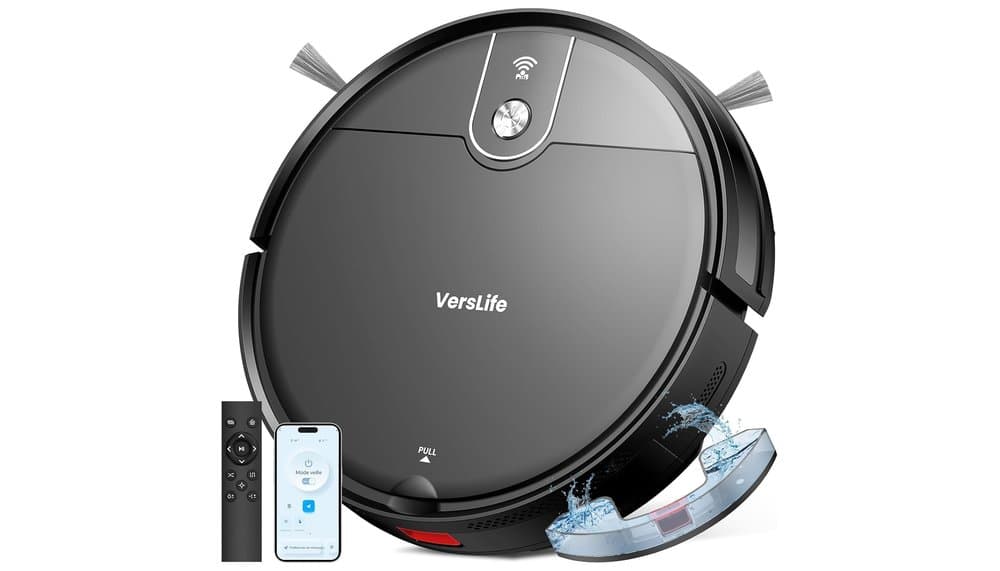
VersLife L6 Robot Vacuum and Mop Review
VersLife L6 robot vacuum & mop review: Can this smart cleaner improve home hygiene without harsh chemicals? Analysis of its health benefits.
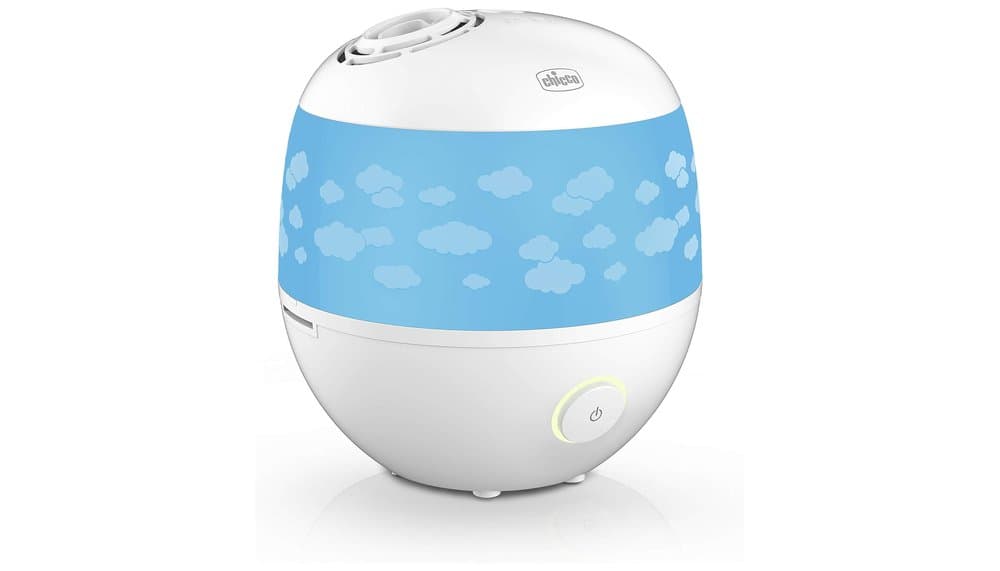
Chicco Humi Hot Advance Air Humidifier Review
Chicco Humi Hot Advance Air humidifier review for kids: warm steam relief for seasonal discomforts in a chemical-free home.

Veegreen White Sage and Palo Santo Incense Set Review
Review the traditional ritual of smudging with white sage and palo santo for cleansing air naturally, as an alternative to modern air purifiers.
Guides you might like
Air Purifier Buying Guide
Indoor air can be more polluted than outside. Learn how to choose the right air purifier to combat dust, VOCs, and allergens.
Allergen Fighter Dehumidifier Buying Guide
Combat allergies from dust mites and mold caused by high humidity at home. A good dehumidifier protects your family's health.
Anti-allergen vacuum cleaner
Does vacuuming worsen allergies? Yes, with a poor filter. Choose the right vacuum to trap allergens and protect your health.