Philips Series 1000 AC1711-10 Air Purifier Review & Test
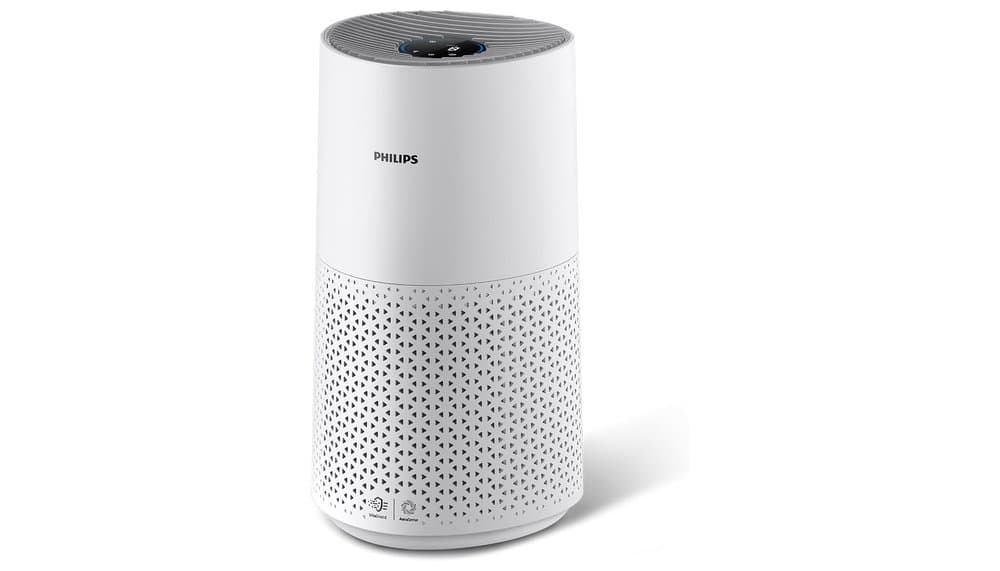
Introduction
In our quest for a healthy and clean indoor environment, the air we breathe is often the most overlooked invisible element. Pollen, dust, pet hair, and even some germs circulate freely in our homes, potentially affecting our well-being, especially for sensitive or allergic individuals. The air purifier thus presents itself as a choice ally. Today, we take an in-depth look at the Philips Air Purifier Series 1000 (AC1711-10), a model designed for large rooms. Our goal: to decipher its technical promises, its real effectiveness against pollutants, and its integration into our daily lives, all from the perspective of a healthy cleaning approach, without aggressive chemicals.
Key Strengths
- Effective HEPA NanoProtect filtration: A 3-layer system that captures ultrafine particles, backed by ECARF certification for allergens.
- Intelligence and autonomy: A professional-grade particle sensor (AeraSense) automatically adjusts the fan speed based on real-time air quality.
- Remarkable silence in night mode: Operation at only 15 dB in sleep/standby mode, making it perfect for a bedroom or nursery.
- Energy efficiency: Power consumption comparable to a standard light bulb (up to 27W), allowing for continuous operation without worry.
- Coverage adapted to large spaces: An effective CADR (Clean Air Delivery Rate) of 300 m³/h for rooms up to 78 m².
Weaknesses
- Physical footprint: At 48.6 cm in height and 27.3 cm in width, it is a substantial device that requires dedicated space.
- Reported setup difficulties: Some users find the connection to the Air+ application and initial setup non-intuitive.
- Long-term cost of ownership: The use of original Philips replacement filters (FY1700) is required for optimal performance, representing a recurring annual cost.
- Functional design: Its appearance is modern but purely utilitarian; it doesn't blend into the background of a room.
Detailed Analysis of the Philips Series 1000 (AC1711-10)
Filtration Efficiency: What Does It Actually Remove from the Air?
This is the core of the matter. Philips relies here on its NanoProtect technology, a combined three-layer filter. On paper, the specifications are robust. The main layer is a HEPA filter that, according to the manufacturer, captures 99.97% of particles as fine as 0.003 microns. This covers the vast majority of pollutants of interest: allergens (pollen, dust mites, animal dander), fine particles (PM2.5, dust), bacteria, and some viruses carried by aerosols. An integrated activated carbon layer adsorbs odors and certain Volatile Organic Compounds (VOCs), such as those emitted by cooking, cleaning products, or new furniture.
The fact that this model is certified "Allergen-Free" by ECARF (European Centre for Allergy Research Foundation) is a serious guarantee. This means its effectiveness in eliminating major allergens (pollen, dust mites, animal dander) has been tested and validated by an independent body, with an advertised removal rate of 99.99%. For households dealing with allergies, this is a powerful and reassuring argument.
Noise Level and Compatibility with Sleep or Presence of a Baby
This is often the deciding factor between a device used continuously and one that ends up in the closet. Technical data announces a maximum noise level of 50 dB (equivalent to a calm conversation) at maximum speed, but especially a standby/sleep mode at 15 dB. This latter figure is lower than a whisper and is practically inaudible in a quiet bedroom.
Feedback from the community largely confirms this point. Users unanimously describe a very discreet, even silent, device in night mode. Many emphasize that it does not disturb their sleep or that of their children at all. This characteristic makes it a product perfectly suited for use in a bedroom or a living space where discreet presence is desired.
Autonomy, Connectivity, and Daily Use
The Philips Series 1000 is available with or without connectivity. The version with the Air+ app allows for remote monitoring of air quality, control of modes, and management of filter replacement alerts. The integrated sensor, described by testers as responsive, enables a highly appreciated Auto mode: the device adjusts its power based on detected pollution (smoke, dust stirred up by vacuuming, etc.), ensuring effective purification while saving energy and minimizing noise.
The filter has an advertised lifespan of one year, but this obviously depends on the ambient pollution level and usage. The intelligent replacement indicator is therefore valuable. It is crucial to note that to maintain effectiveness and the warranty, Philips recommends the use of its original replacement filters, model FY1700. This is an element to factor into the total cost of ownership.
Technical Specifications
| Characteristic | Detail |
|---|---|
| Model | Philips Air Purifier Series 1000 (AC1711-10) |
| Recommended Coverage | Up to 78 m² |
| CADR (Clean Air Delivery Rate) | 300 m³/h |
| Filtration | 3-in-1 NanoProtect Filter (Pre-filter, HEPA, Activated Carbon) |
| HEPA Capture Rate | 99.97% of particles down to 0.003 microns |
| Certification | ECARF (Allergen-Free) |
| Sensor | Professional-grade AeraSense particle sensor |
| Noise Levels | From 15 dB (Night Mode) to 50 dB (Max speed) |
| Energy Consumption | Up to 27W |
| Modes | Auto, Manual Speeds (1-4), Night Mode |
| Display | LED air quality ring (PM2.5) |
| Connectivity | Optional (Air+ App) |
| Filter Life | Up to 12 months (depending on usage) |
| Dimensions (H x W x D) | 48.6 x 27.3 x 27.3 cm |
| Weight | 4.1 kg |
What Users and the Community Say
By cross-referencing the thousands of available customer reviews and online discussions, a clear consensus emerges on several points.
The recurring positive points are unequivocal. Users report a tangible and rapid improvement in air quality. Many describe a feeling of "lighter," "fresher" air and note a significant reduction in allergy symptoms (itchy eyes, runny nose, nighttime asthma attacks), especially in the presence of pets. The extreme discretion in night mode is one of its most praised strengths, allowing for 24/7 use without disturbance. The responsiveness of the Auto mode, which ramps up during vacuuming or cooking, is also highly appreciated and perceived as a sign of its effectiveness.
The points of caution mainly focus on two aspects. First, the size: several people expected a more compact device and are surprised by its actual footprint. A stable floor space needs to be allocated for it. Secondly, difficulties are reported concerning the initial setup of the connected version, with sometimes finicky Wi-Fi or app connections that may require a few attempts. Finally, while noise in night mode is minimal, some note that the sound at maximum speed, although normal for the power, is present and could be bothersome in a daytime relaxation space.
Conclusion
The Philips Air Purifier Series 1000 (AC1711-10) positions itself as a serious and effective air purifier, particularly suited for households looking to improve air quality in a large living space or bedroom. Its major asset lies in the combination of high-performance HEPA filtration, validated by credible anti-allergen certification, and exceptional discretion in sleep mode. It is this combination that makes it an ideal candidate for sensitive individuals, parents of young children, or pet owners.
User experiences confirm that its promises regarding allergen reduction and acoustic comfort are delivered. However, it requires a spatial commitment (its footprint) and a long-term financial commitment (annual filters). If you are looking for a silent, automatic, and effective solution to clean the air in a large room, this Philips model constitutes a technologically mature and reliable choice, perfectly aligned with a healthy and clean home approach.
Independent and transparent — Our articles are based on in-depth research and real user reviews. No brand sponsors our content. Affiliate links help fund the site, at no extra cost to you.
Articles you might like
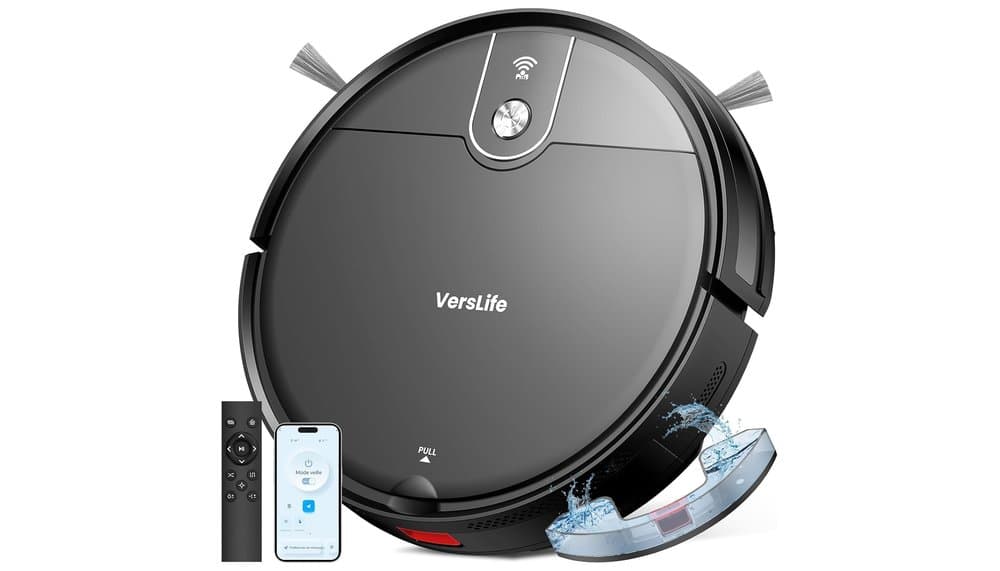
VersLife L6 Robot Vacuum and Mop Review
VersLife L6 robot vacuum & mop review: Can this smart cleaner improve home hygiene without harsh chemicals? Analysis of its health benefits.
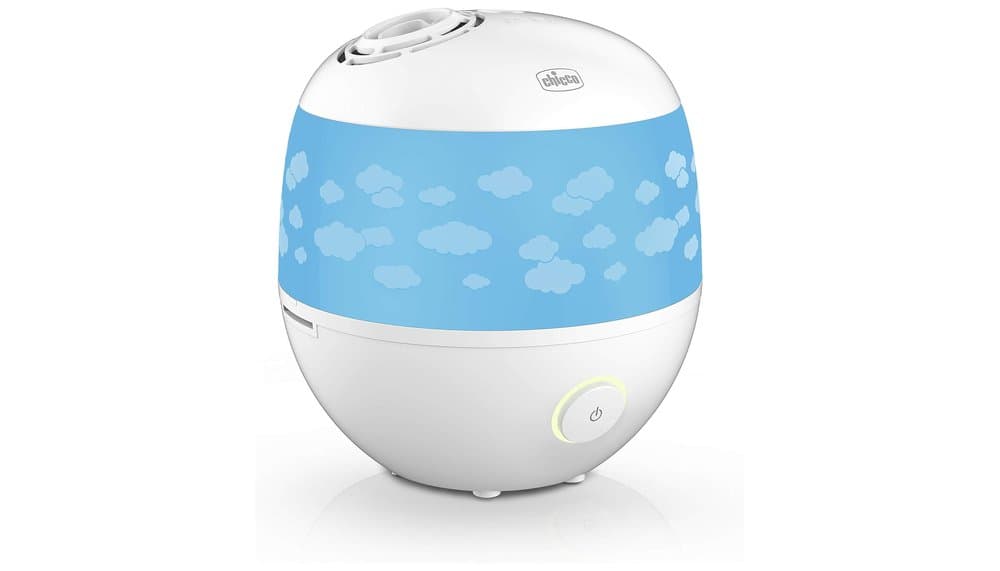
Chicco Humi Hot Advance Air Humidifier Review
Chicco Humi Hot Advance Air humidifier review for kids: warm steam relief for seasonal discomforts in a chemical-free home.

Veegreen White Sage and Palo Santo Incense Set Review
Review the traditional ritual of smudging with white sage and palo santo for cleansing air naturally, as an alternative to modern air purifiers.
Guides you might like
Air Purifier Buying Guide
Indoor air can be more polluted than outside. Learn how to choose the right air purifier to combat dust, VOCs, and allergens.
Allergen Fighter Dehumidifier Buying Guide
Combat allergies from dust mites and mold caused by high humidity at home. A good dehumidifier protects your family's health.
Anti-allergen vacuum cleaner
Does vacuuming worsen allergies? Yes, with a poor filter. Choose the right vacuum to trap allergens and protect your health.