Probuk PK001 Air Purifier Review and Test
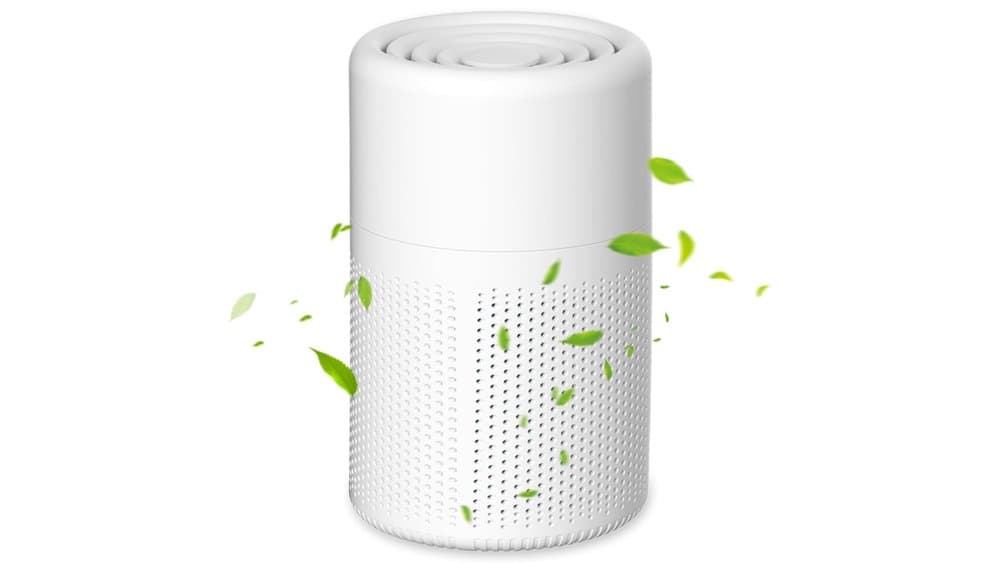
Analysis: Is the Probuk PK001, the Compact USB Air Purifier, Effective?
In our quest for healthier indoor air without resorting to chemicals, air purifiers have become go-to allies. The Probuk PK001 fits into this trend with a simple proposition: a compact, quiet, USB-powered device capable of filtering pollutants in small rooms. But does this apparent simplicity hide real effectiveness for our health and against allergens? We will dissect its specifications, confront its promises with community feedback, and analyze its place in a home concerned about air quality.
Strengths
The Probuk PK001 relies on assets that address very concrete needs in our daily lives.
Its portability and flexibility are its first strong arguments. Operating on a simple USB-C connection (5V/1A), it frees itself from the traditional wall outlet. It can be powered by a laptop, a power bank, or even in a car. Its featherweight of 470 grams and compact format (11x11x19 cm) allow it to slip onto a bedside table, a desk corner, or a shelf without taking up space. It is a device designed to follow the user.
Its advertised noise level is particularly low, promising less than 37 decibels in operation. On paper, this corresponds to a distant whisper, an essential criterion for nighttime use in a bedroom, especially in a child's or baby's room, where constant noise can disrupt sleep.
The three-stage filtration system shows a solid foundation for a device in this category: a pre-filter (washable according to some feedback), a HEPA H13 filter, and an activated carbon filter. The HEPA H13 is a serious standard, capable of retaining at least 99.95% of particles sized 0.3 micrometers, which includes pollen, a large portion of fine dust, mold spores, and dust mites. The activated carbon, on the other hand, is there to tackle odors (cooking, tobacco, pets) and certain gaseous Volatile Organic Compounds (VOCs).
Finally, the integrated aromatherapy function, via a solid pad placed in a dedicated compartment, is a subjective plus but appreciated for personalizing the olfactory ambiance of a room, provided quality essential oils are used and no purifying action is expected from it.
Weaknesses and Limits to Understand
For an honest view, it is crucial to understand the intrinsic limits of the PK001, directly linked to its compact and economical design.
Its air processing capacity is reserved for small spaces. The brand indicates an effective purification area of 20 m² (215 square feet). This figure, in practice, should be interpreted with caution. It often assumes ideal conditions (standard ceiling height, undisclosed CADR airflow). According to user feedback, its effectiveness is mainly noticeable in closed rooms of 10 to 15 m² maximum, such as an individual office or a small bedroom. In a larger or open space, its impact will be diluted, even imperceptible.
The absence of an air quality indicator or filter change reminder is a notable omission. The user operates blindly, without knowing if the air is actually improving or when to replace consumables. This relies on an estimated routine, which is not optimal for maintaining effective filtration over time.
The limited power of the USB supply necessarily implies a modest airflow compared to a plug-in purifier. Therefore, do not expect rapid air renewal. It is a device for maintenance and gradual improvement in a confined space, not a crisis solution for quickly eliminating heavy smoke or construction dust.
Finally, although the quiet argument is put forward, some feedback from European users notes that the noise, although low, can be perceived as a slight constant hum that could bother the most sensitive sleepers. The "less than 37 dB" is a maximum value, but the sound produced also has a pitch that varies from one perception to another.
Detailed Analysis of Health Performance
From the angle that interests us – health and reducing pollutants without chemicals – let's analyze what the Probuk PK001 can and cannot do.
Primary targets: airborne particles and allergens. Thanks to its HEPA H13 filter, this is where it is most credible. It constitutes an effective mechanical barrier against the major allergens that are pollen, pet dander (cat, dog hair) and suspended dust mite droppings. For a person suffering from mild to moderate allergic rhinitis in a reduced space like a bedroom, it can provide tangible relief by reducing the allergenic load in the air. It also captures some fine particles (PM2.5) from outside or cooking.
Action on odors and VOCs: moderate and limited. The activated carbon layer has adsorption capacity. It can mitigate cooking odors, cold tobacco smoke, or pet odors. However, the amount of activated carbon in a device of this size is necessarily reduced. It will saturate relatively quickly in case of strong or continuous exposure. Its action on VOCs (compounds emitted by paints, furniture, cleaning products) will therefore be limited and occasional. It does not replace active and regular ventilation.
What it does NOT do. It is important to remember: the Probuk PK001 does not eliminate carbon dioxide (CO2). In an occupied and closed room, the CO2 level will rise despite the purifier. Daily airing remains essential. Furthermore, it does not have a UV-C lamp and therefore has no "disinfection" function or active destruction of viruses and bacteria. Its HEPA filtration can trap them mechanically but does not neutralize them. It also does not regulate humidity (it is not a dehumidifier).
The advertised 360° filtration cycle is an intelligent design that allows air intake all around, limiting direct blind spots around the device. This optimizes its ability to treat the air in a small room homogeneously.
Technical Specifications
To summarize the key data, here is a recap of the Probuk PK001 specifications:
| Characteristic | Detail |
|---|---|
| Model | Probuk PK001 |
| Filtration | 3 stages: Pre-filter (washable), HEPA H13 Filter, Activated Carbon Filter |
| Retention Rate | 99.95% of particles ≥ 0.3 µm (H13 standard) |
| Coverage Area | 20 m² / 215 sq ft (advertised) |
| Noise Level | < 37 dB (Advertised) |
| Power Supply | USB-C (cable included), 5V/1A. No power adapter included. |
| Features | Slot for aromatic pad (one included) |
| Dimensions (H x W x D) | 19 x 11 x 11 cm |
| Weight | 470 g |
| Consumables | HEPA filter and activated carbon pads to be replaced (availability to be checked) |
What Users Say
Analyzing customer reviews, with an overall rating of 3.9/5, gives us a realistic panorama of the product's perceived strengths and weaknesses.
Recurring positive points confirm several promises. Satisfied users praise its compactness and discretion. They appreciate its quiet operation, often describing it as suitable for an office or bedroom. The ease of use (USB connection) and the pleasant aromatic effect are also frequently mentioned. Several report a perceptible improvement in small, closed spaces, especially against persistent odors or for a feeling of "fresher" air. One user with pollen allergies even noted a significant improvement during the critical season.
Criticisms and disappointments mainly point to two limits. First, the limited, even imperceptible, effect in medium-sized or poorly insulated rooms. Feedback like "I feel no change in a 12 m² bedroom" highlights that performance can vary and expectations must be adjusted. Secondly, the absence of a power adapter in the box is an irritant for those who do not want to use a computer USB port. Finally, a few mentions of early failures or abnormal noises exist, but they are in the minority in the analyzed review corpus.
The question of long-term availability of replacement filters is also raised by an informed user, a legitimate concern for any device with consumables.
Conclusion
The Probuk PK001 Air Purifier is a product that finds its place in a very specific niche. It is not an all-powerful purifier for treating an open living room, but rather a discreet and mobile companion for small personal spaces.
If your goal is to improve air quality in an individual office, a small bedroom (especially for a child allergic to dust mites or pollen), a student room, or even your car, and you value silence, the absence of a power cord, and simplicity above all, then the PK001 deserves your consideration. Its HEPA H13 filter is a guarantee of seriousness for filtering particles and allergens.
However, you must accept its limits: its range of action is restricted, its effect on strong odors will be temporary, and it will never replace the need to air out daily. Consider it an effective supplementary tool within its scope of action, rather than a central and complete solution for the entire house.
For targeted use and a gentle, localized purification approach, it fulfills its mission. For more global, chronic air problems or in large volumes, it will be necessary to turn to more powerful purifiers, with certified airflow (CADR) and air quality indicators.
Independent and transparent — Our articles are based on in-depth research and real user reviews. No brand sponsors our content. Affiliate links help fund the site, at no extra cost to you.
Articles you might like
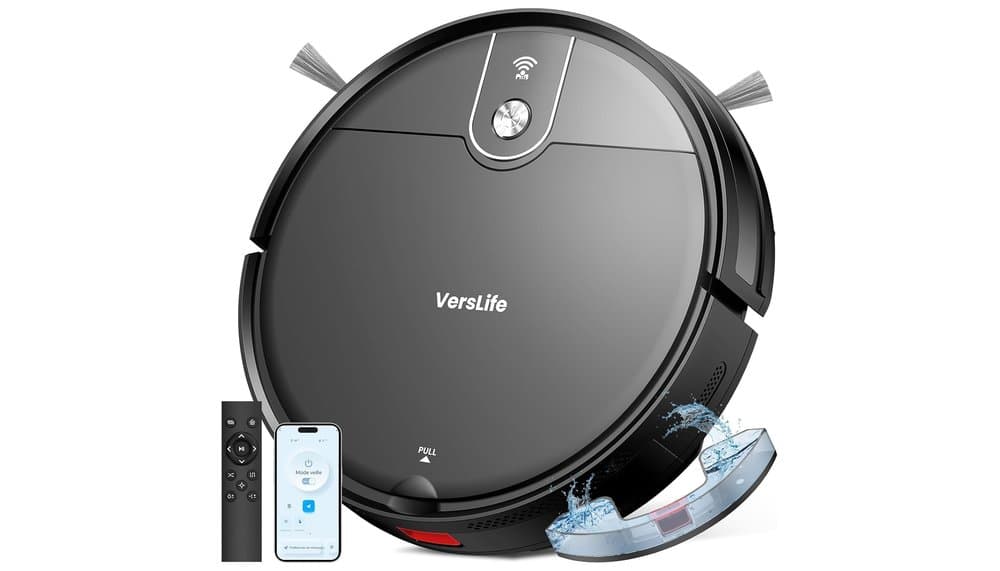
VersLife L6 Robot Vacuum and Mop Review
VersLife L6 robot vacuum & mop review: Can this smart cleaner improve home hygiene without harsh chemicals? Analysis of its health benefits.
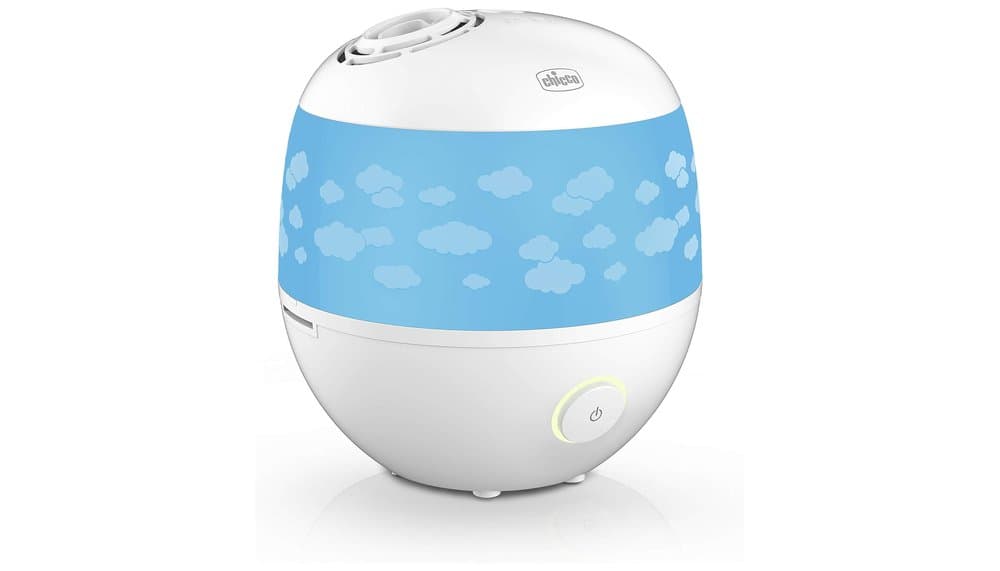
Chicco Humi Hot Advance Air Humidifier Review
Chicco Humi Hot Advance Air humidifier review for kids: warm steam relief for seasonal discomforts in a chemical-free home.
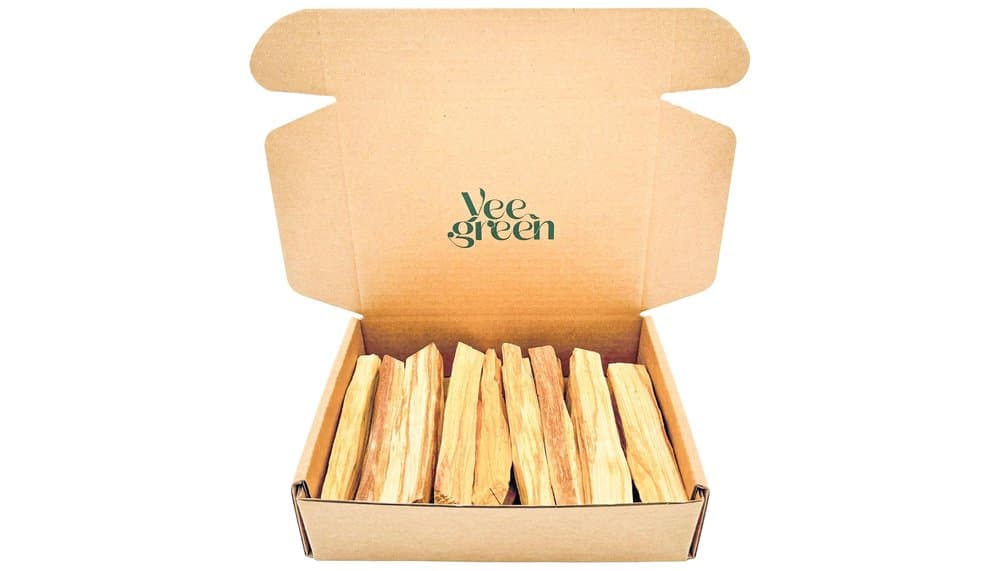
Veegreen White Sage and Palo Santo Incense Set Review
Review the traditional ritual of smudging with white sage and palo santo for cleansing air naturally, as an alternative to modern air purifiers.
Guides you might like
Air Purifier Buying Guide
Indoor air can be more polluted than outside. Learn how to choose the right air purifier to combat dust, VOCs, and allergens.
Allergen Fighter Dehumidifier Buying Guide
Combat allergies from dust mites and mold caused by high humidity at home. A good dehumidifier protects your family's health.
Anti-allergen vacuum cleaner
Does vacuuming worsen allergies? Yes, with a poor filter. Choose the right vacuum to trap allergens and protect your health.