RISOON WiFi CO Detector Carbon Monoxide Alarm Test
Introduction
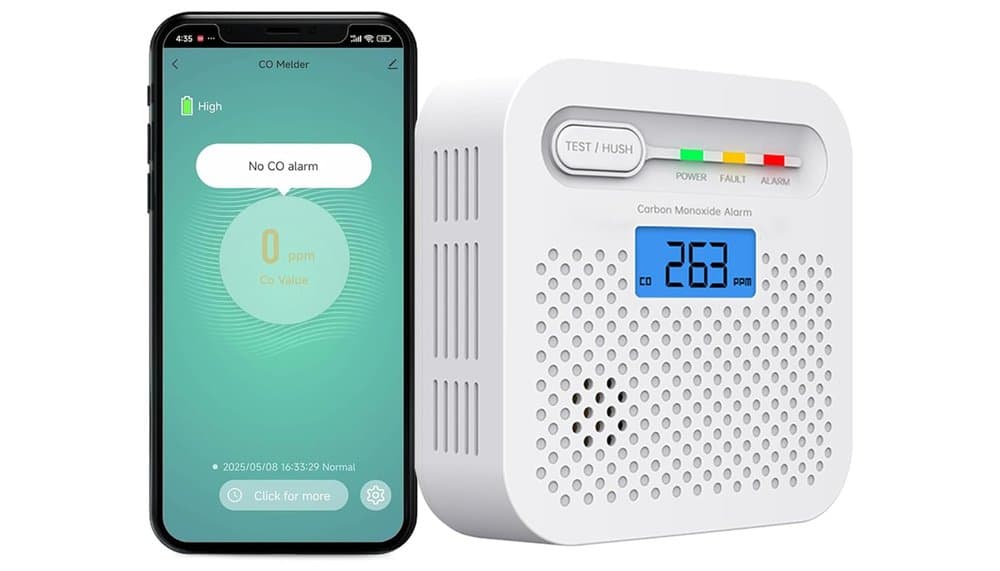
In our quest for a healthy and risk-free interior, we often focus on pollutants we can see or smell: dust, allergens, volatile organic compounds (VOCs). But the most insidious threat is often the one that is invisible and odorless: carbon monoxide (CO). Nicknamed the "silent killer," this asphyxiating gas is produced by the incomplete combustion of appliances like boilers, water heaters, fireplaces, or even small space heaters. The RISOON WiFi CO Detector Carbon Monoxide Alarm presents itself as a digital guardian against this danger. On this site dedicated to indoor air health and non-chemical cleaning, we analyze this device from the perspective of the protection it offers, its integration into a healthy connected home, and its real-world effectiveness, based on its specifications and community feedback.
Key Strengths
The RISOON WiFi CO Detector relies on several strengths to appeal to those concerned about home safety.
Intelligent, hub-free WiFi connectivity is its main differentiating feature. Unlike many connected detectors that require a specific gateway, this one connects directly to your 2.4 GHz home network via the popular SmartLife or Tuya apps. This greatly simplifies installation and integration into a connected home ecosystem.
An advertised 10-year lifespan is a major argument for peace of mind. Equipped with a sealed lithium battery, it promises a decade of protection without any maintenance, battery changes, or electrical connection. It can be placed with total flexibility: on a wall, shelf, mobile home, or camper van.
CE certification and the EN50291 standard are not minor details. They guarantee the product has successfully passed strict European tests for sensitivity, responsiveness, and reliability for a carbon monoxide detector. On paper, this places it in the category of trustworthy devices.
Real-time smartphone notifications, even remotely, transform this detector into a true personal alert system. In case of danger, you are alerted wherever you are, which is crucial for protecting loved ones at home or for monitoring a secondary residence.
Weaknesses
Despite its promises, some points deserve particular attention and are highlighted by users.
Exclusive reliance on a 2.4 GHz network can be an obstacle for households whose router only emits a 5 GHz signal or who have WiFi range issues. The connection, although considered simple by many, sometimes seems finicky according to some feedback.
The inability to test the WiFi connection on demand, mentioned in several reviews, is a surprising weakness for a connected product. Users report that the device's test button works for the audible alarm but does not seem to trigger a test push notification. One must therefore rely on the system working correctly without a simple means of verification.
As with any detector using an electrochemical sensor, its long-term reliability remains an unknown. A 10-year lifespan is a strong marketing argument, but only time will tell if the sensor maintains its accuracy over that entire period. The manual does not mention a sensor expiration date, which is common information from reputable manufacturers.
Finally, the Tuya/SmartLife app, while very widespread, is a third-party platform. This means your security data (detector status, alarms) passes through their cloud servers. For those more concerned about digital privacy, this is a factor to consider.
Detailed Analysis from a Health and Air Quality Perspective
Which pollutant does it target and with what efficacy?
The RISOON is not an air purifier. It does not filter or eliminate any pollutants. Its role is purely monitoring and alerting. It is specifically designed to detect one and only one gas: carbon monoxide (CO). Its so-called electrochemical sensor is the most reliable and accurate technology for this task, far superior to cheaper semiconductor sensors. It continuously monitors the concentration of CO in the air, expressed in parts per million (ppm), and must trigger an alarm within the timeframes prescribed by the EN50291 standard when danger thresholds are reached. Its real-world efficacy therefore depends entirely on the quality of this sensor and its electronics, guaranteed on paper by CE certification.
Integration into a Healthy and Connected Home
On a site like ours, which promotes a healthy indoor environment, a reliable CO detector is as essential as a HEPA purifier or a dehumidifier. It perfectly complements your arsenal by addressing a deadly threat against which filters are powerless. Its WiFi connectivity makes it an asset for proactive security. Imagine receiving an alert on your phone while you're at work and your heating system has a fault at home. You can immediately alert a neighbor or emergency services. The ability to share access to the app with family is also a plus for collective safety.
Sound Level and Use with a Baby
The alarm is rated at 85 dB. This is a sound level compliant with standards and largely sufficient to wake a sleeping person. It is intense, but that's the point: to save lives. During normal operation, the device is completely silent. The discreet LCD display, which shows the ppm concentration and battery status, produces no noise. It is therefore perfectly suited for a bedroom or a baby's room, where its presence is actually strongly recommended by home safety experts. Its clean, compact white design (10 x 10 x 5 cm) is discreet in any decor.
Technical Specifications
| Feature | Detail |
|---|---|
| Brand | RISOON |
| Product Type | Carbon Monoxide (CO) Detector |
| Connectivity | Integrated WiFi 2.4 GHz (no hub required) |
| Compatible Apps | SmartLife, Tuya |
| Sensor Type | Electrochemical Sensor |
| Certification | CE, compliant with EN50291 standard |
| Power | Sealed Lithium Battery, advertised lifespan: 10 years |
| Audible Alarm | 85 dB |
| Display | LCD Screen (CO concentration in ppm, battery status) |
| Installation | Wall-mounted (screws included) or freestanding (adhesive pad included) |
| Dimensions | 10 x 10 x 5 cm |
| Weight | 1 gram |
| Material | ABS Plastic |
| Smart Functions | Real-time push notifications, test/mute from app, access sharing |
| Recommended Installation Areas | Kitchen, Living Room, Bedroom, Office, Mobile Home, Camper Van |
What Users and Testers Say
Analysis of customer feedback and available online tests paints a generally positive, but nuanced, picture of the product.
Recurring positive points are clear:
- Installation and connection perceived as easy: The majority of users find setup with the Tuya/SmartLife app simple and quick. Comments like "a child's play," "easy to connect," are frequent.
- General satisfaction with the alert function: Users who voluntarily tested the audible alarm (via the physical test button) confirm it is very loud and effective ("the beep is very loud," "85 dB loud").
- Design and discretion appreciated: Its small white format and the possibility to place it or mount it on a wall are seen as practical advantages.
- Usefulness of connectivity: Several emphasize the peace of mind provided by remote notifications and the clear display of concentration on the LCD screen.
Points of caution or negatives are fewer but significant:
- The reliability of the WiFi connection is the main complaint. A French user specifically notes: "When there is an alarm, no problem I get the report on my phone, but when I do a test to check the connection [...] it doesn't work!" This suggests the push notification system may be reliable in a real alarm condition, but the software test mechanism is faulty or poorly implemented.
- No review reports a trigger under real CO conditions, which is fortunate but does not allow for empirical verification of the sensor's effectiveness in a critical situation. As one user says: "I don't know if these [detectors] really work because no CO has been detected so far."
- Some confusion in reviews between "CO" (carbon monoxide) and "CO2" (carbon dioxide) shows that some buyers may not be perfectly clear about the specific threat this device monitors.
An independent tester (Amazon Vine) who used the product for two weeks describes it as "reliable, loud, and easy to use," highlighting compliance with standards, the powerful alarm, and easy reading on the LCD screen.
Conclusion
The RISOON WiFi CO Detector Carbon Monoxide Alarm is a product that relies on solid arguments: a direct and convenient WiFi connection, a very appealing long battery life, and reassuring European certifications. It perfectly meets the modern need to integrate safety into the connected home ecosystem, offering you proactive and remote monitoring against carbon monoxide.
However, our analysis urges caution on two aspects. Firstly, the WiFi connection seems improvable, with feedback indicating the notification test does not work, even though real alerts seem to come through. Secondly, as with any detector, its absolute effectiveness can only be verified in a real-world situation – and fortunately, such situations are rare.
We therefore recommend it as a practical and generally well-rated connected monitoring solution for households with a good 2.4 GHz network, provided one understands its role: an essential alert tool, but one that in no way dispenses with the regular maintenance of your combustion appliances (boiler, water heater, fireplace) and the presence of a CO detector on every level of your home. For indoor air health, it purifies nothing, but it protects against one of the most serious risks. And that is invaluable.
Independent and transparent — Our articles are based on in-depth research and real user reviews. No brand sponsors our content. Affiliate links help fund the site, at no extra cost to you.
Articles you might like
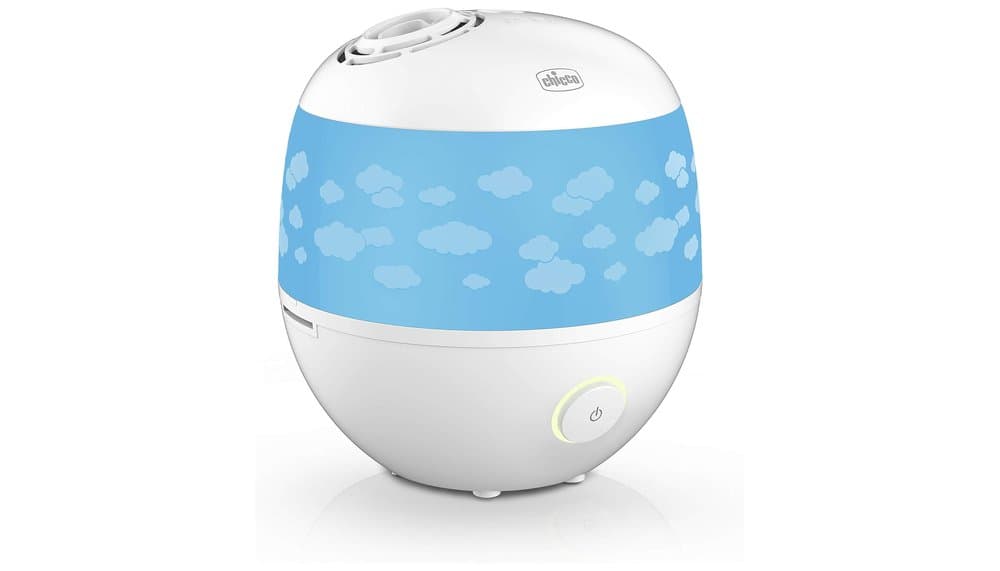
Chicco Humi Hot Advance Air Humidifier Review
Chicco Humi Hot Advance Air humidifier review for kids: warm steam relief for seasonal discomforts in a chemical-free home.

Veegreen White Sage and Palo Santo Incense Set Review
Review the traditional ritual of smudging with white sage and palo santo for cleansing air naturally, as an alternative to modern air purifiers.
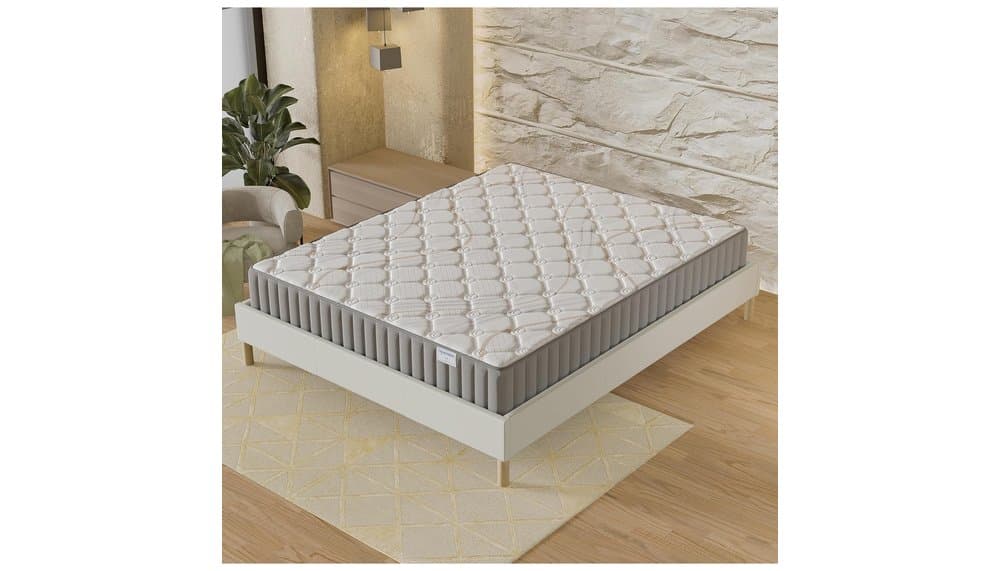
NOVEMBER Sirius Mattress Review: Complete Test Analysis
A deep analysis of the NOVEMBER Sirius mattress for healthy sleep. We test its materials and construction for allergens, VOCs, and overall sleep hygiene.
Guides you might like
Air Purifier Buying Guide
Indoor air can be more polluted than outside. Learn how to choose the right air purifier to combat dust, VOCs, and allergens.
Allergen Fighter Dehumidifier Buying Guide
Combat allergies from dust mites and mold caused by high humidity at home. A good dehumidifier protects your family's health.

Anti-allergen vacuum cleaner
Does vacuuming worsen allergies? Yes, with a poor filter. Choose the right vacuum to trap allergens and protect your health.