RWSRW Anti Dust Mite Vacuum Cleaner Review
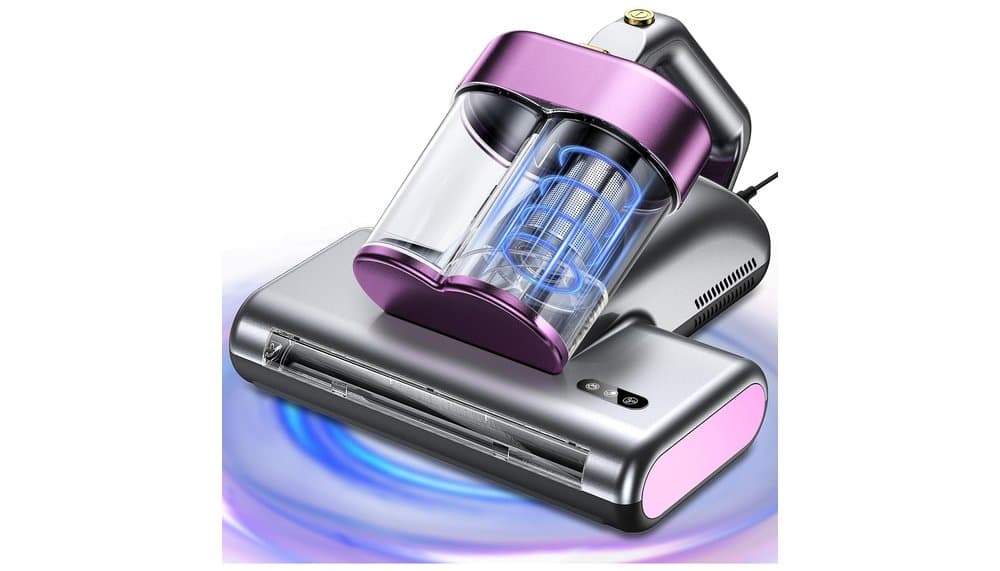
Introduction
In our quest for healthier indoor air and cleaning without harsh chemicals, bedding is often a blind spot. It is a true reservoir of allergens: dead and live dust mites, their feces, dander, pet hair, and fine dust. To tackle this problem in a targeted way, dedicated vacuum cleaners, like the RWSRW Anti Dust Mite Vacuum Cleaner with UV-C Light, are appearing. This product promises not only to extract these unwanted elements but also to neutralize them through physical means like heat and UV.
In this analysis, we will break down this appliance from the angle that concerns us: its real effectiveness for health and indoor air quality. We are interested in its ability to eliminate allergens, the seriousness of its "disinfection" technologies, and its ease of use in a healthy cleaning routine.
Strong Points
On paper, the RWSRW presents several appealing arguments for a mechanical and thermal cleaning approach.
- Targeted powerful suction: With a 500W motor and an announced suction power of 16 kPa, the technical specifications promise a suction force capable of penetrating the depth of mattresses and sofas to dislodge embedded particles.
- A multi-technology approach: The appliance doesn't just vacuum. It combines UV-C, heat (65°C), and a double-canister system for an action that aims to simultaneously kill, dry, and capture allergens.
- A hygiene-oriented design: The separate double-canister system (filter and dust) is designed to prevent rapid filter clogging and maintain optimal suction longer, a crucial point for effectiveness.
- Integrated safety: The UV-C light turns off automatically when the appliance is lifted from the surface, preventing any accidental direct exposure to UV rays.
Weak Points
The analysis of user feedback and specs also reveals limits that must be known.
- Basic filtration: The product uses a washable sponge filter and not a certified HEPA filter. This means the finest particles (smaller than 0.3 microns), like dust mite feces (major allergens), can be re-emitted into the room's air during use.
- Disinfection promises to be nuanced: The real effectiveness of the UV-C lamp depends greatly on exposure time and distance. A quick pass over a mattress is unlikely to achieve the advertised 99.9% elimination rate. Similarly, heat at 65°C must be maintained for several minutes to kill dust mites, which is hardly compatible with a typical vacuuming pass.
- Sometimes faulty functions: Several user reports point to manufacturing defects, such as a UV lamp or roller that don't work upon receipt, or the complete absence of the advertised vibration/tapping function to dislodge mites.
- Fine dust management: The community notes that the vacuumed dust is very fine and volatile. Emptying the dust canister needs to be done outdoors to avoid recontaminating the ambient air, which underscores the flaw in the final filtration.
Detailed Analysis by Technology
Suction and Allergen Capture
The 16 kPa suction power is, according to feedback, the most convincing point of the appliance. Satisfied users describe a visible quantity of dust, hair, and debris extracted from surfaces that seemed clean. This makes it a mechanically effective tool for reducing the overall allergen load. However, the weak link is the sponge filter. Unlike an H13 HEPA filter that would retain 99.95% of 0.3-micron particles, this filter lets through the most problematic allergens. The appliance cleans the mattress but can, during its operation, pollute the bedroom air with airborne allergens.
The UV-C Light: A Conditional Promise
The UV-C lamp has real germicidal and acaricidal potential in a laboratory. However, its effectiveness in this context is limited. To be fully effective, microorganisms must be exposed directly, at close range, and for sufficient time (several seconds). A manual pass, even a slow one, does not guarantee this exposure. Its role is therefore more complementary and preventive than radically eradicative. The automatic shut-off safety feature is, on the other hand, a reassuring point.
The 65°C Heat: A Helping Hand, Not a Solution
The hot air function aims to dry out the dust mites' environment, as they thrive in humid conditions. 65°C is a temperature that can kill dust mites, but only after prolonged exposure (at least one hour according to studies). The hot air emitted during the pass will mainly warm the surface, with a very local and temporary drying effect. It does not replace a full thermal treatment of the mattress with a specific cover or a high-temperature steam cleaner.
Noise and Maneuverability
The appliance is described as relatively light (2.28 kg) and maneuverable. The noise level is not specified in the specs, but users do not mention it as a particular negative point, sometimes describing it as "not too loud" compared to other models. This makes it potentially usable without too much disturbance, but probably not in the presence of a sleeping baby in the same room.
Technical Specifications
| Category | Specification of the RWSRW Anti Dust Mite Vacuum Cleaner |
|---|---|
| Motor Power | 500 W |
| Suction Power | 16 kPa |
| Active Technologies | UV-C Lamp, 65°C Hot Air |
| Filtration Type | Washable Sponge Filter (included + 1 spare) |
| Collection System | Separate Double Canister (filter and dust) |
| Power Supply | Corded |
| Weight | 2.28 kg |
| Advertised Functions | Suction, UV-C, Heat, Vibration/Tapping (to be verified) |
| Usage Surface | Mattresses, Sofas, Carpets, Upholstery |
What Users and the Community Say
A synthesis of customer reviews (overall rating 4.2/5) reveals clear trends:
Recurring positive points:
- Appreciated suction power: Many users, including allergy sufferers and pet owners, are impressed by the quantity of visible dust and debris extracted. They note a feeling of freshness and cleanliness after use.
- Maneuverability and design: Its light weight and easy handling are often cited as assets for regular, fatigue-free use.
- Perceived as effective for allergens: Several testimonials, notably from asthmatics or those allergic to dust mites/pets, indicate a perceptible improvement in their symptoms since regular use of the product.
Negative points and warnings:
- Quality control issues: Several reviews report products delivered defective (inoperative UV lamp or roller). One user even reports the complete absence of the vibration mechanism, despite it being presented as a key function.
- Limited effectiveness of heat and UV: Attentive testers notice that the temperature increase of the mattress is slight and fleeting, and doubt the real effectiveness of these functions with a normal manual pass.
- Problematic filtration: The community warns about the volatile and fine nature of the vacuumed dust. It is strongly advised to empty the canister outdoors to avoid a cloud of allergens in the room, confirming the insufficiency of the sponge filter.
- Lack of transparency: A feeling of frustration emerges among some buyers who believe the advertisements do not perfectly match the reality of the product received (missing or ineffective functions).
Conclusion
The RWSRW Anti Dust Mite Vacuum Cleaner with UV-C Light is a tool that offers certain interest for a thorough mechanical cleaning of upholstery textiles. Its real suction power, praised by users, allows for the removal of a significant mass of allergens, dust, and hair. For an allergy sufferer or a household with pets, its regular use can contribute to reducing the overall allergen load of bedding and provide perceptible relief.
However, it must be considered for what it is: a good powerful hand vacuum for soft surfaces, and not a medical disinfection device. Its UV-C and heating technologies offer a supplementary effect more than guaranteed eradication. Its major weak point, regarding indoor air quality, remains its basic filtration system. By re-releasing fine particles into the air, it can shift the problem rather than completely solve it.
Our recommendation is therefore as follows: if you are primarily looking for a tool to mechanically strip your mattress, sofa, or carpet as part of a healthy cleaning routine, this appliance can be a useful ally, provided you empty its canister with care, ideally outdoors. On the other hand, if your absolute priority is air purification and the retention of the finest allergens during cleaning, a traditional vacuum cleaner equipped with a certified H13 or H14 HEPA filter, even if it doesn't have a UV lamp, will likely be more effective at protecting your environment and your respiratory health in the long term.
Independent and transparent — Our articles are based on in-depth research and real user reviews. No brand sponsors our content. Affiliate links help fund the site, at no extra cost to you.
Articles you might like
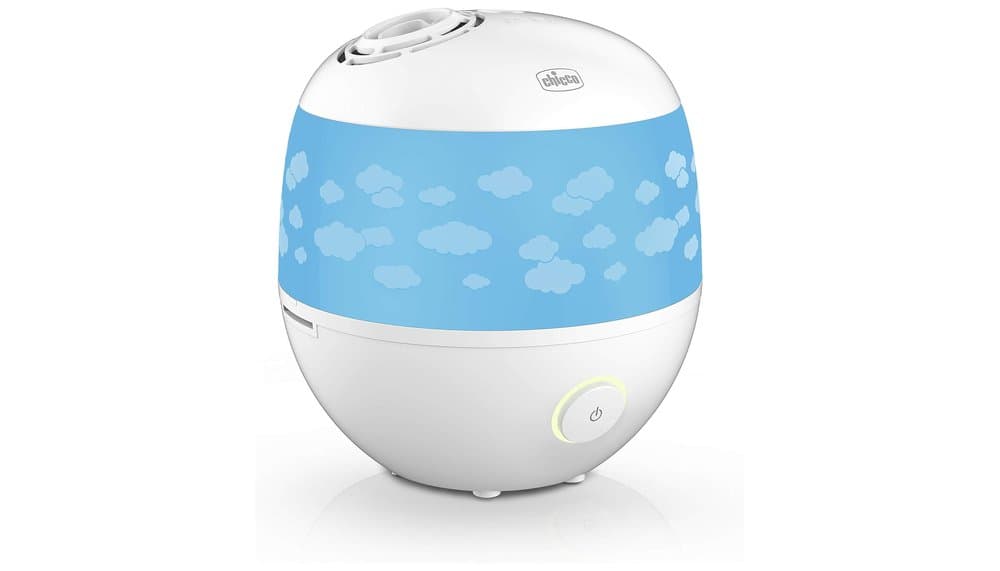
Chicco Humi Hot Advance Air Humidifier Review
Chicco Humi Hot Advance Air humidifier review for kids: warm steam relief for seasonal discomforts in a chemical-free home.
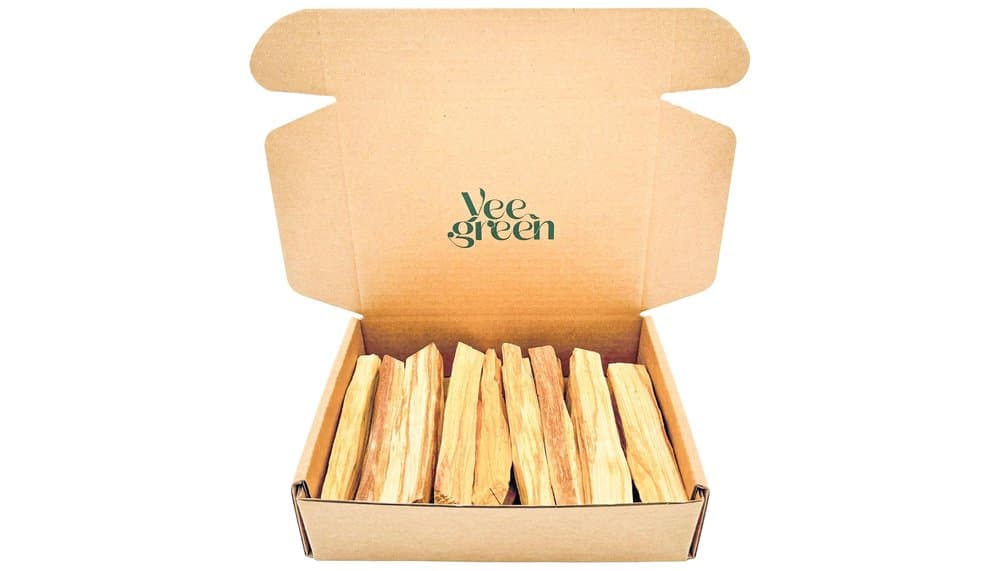
Veegreen White Sage and Palo Santo Incense Set Review
Review the traditional ritual of smudging with white sage and palo santo for cleansing air naturally, as an alternative to modern air purifiers.
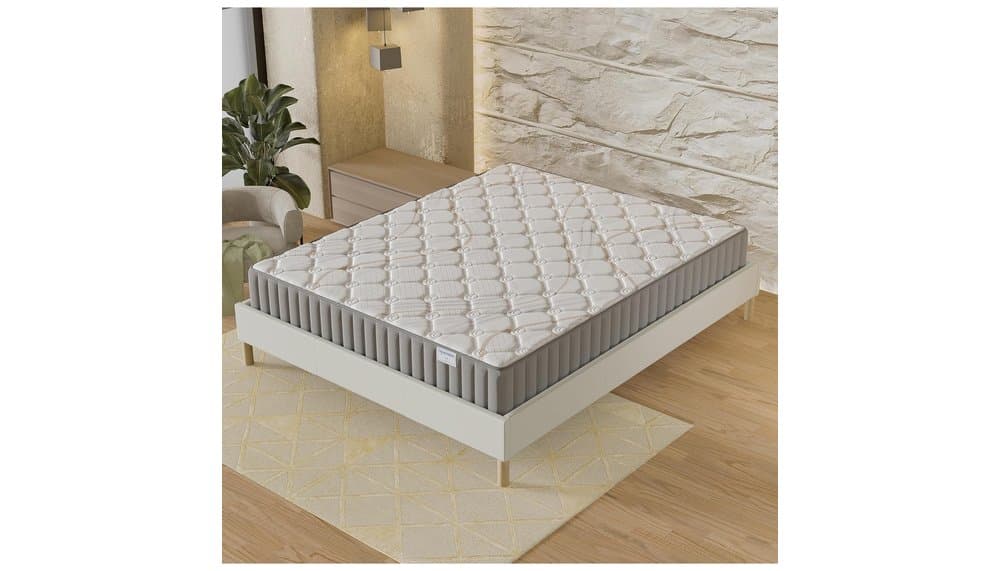
NOVEMBER Sirius Mattress Review: Complete Test Analysis
A deep analysis of the NOVEMBER Sirius mattress for healthy sleep. We test its materials and construction for allergens, VOCs, and overall sleep hygiene.
Guides you might like
Air Purifier Buying Guide
Indoor air can be more polluted than outside. Learn how to choose the right air purifier to combat dust, VOCs, and allergens.
Allergen Fighter Dehumidifier Buying Guide
Combat allergies from dust mites and mold caused by high humidity at home. A good dehumidifier protects your family's health.
Anti-allergen vacuum cleaner
Does vacuuming worsen allergies? Yes, with a poor filter. Choose the right vacuum to trap allergens and protect your health.