Stadler Form Noah Humidifier Review & Air Quality Test
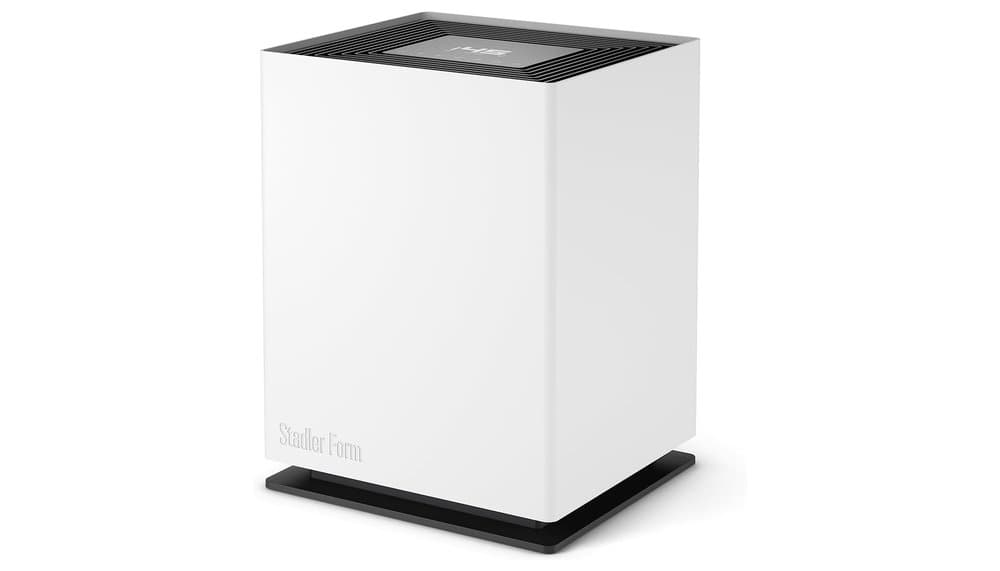
Introduction: Healthy and Connected Humidification for Your Home
In our quest for healthy indoor air, humidity is a parameter too often overlooked. Excessively dry air, particularly common in winter with heating, can cause respiratory irritation, dry out the skin, worsen allergy symptoms, and even damage our plants and wooden furniture. Conversely, excessive humidity promotes the development of dust mites and mold. The right balance, generally between 40% and 60%, is therefore crucial for our well-being and the quality of our environment.
It is with this in mind that we analyze the Stadler Form Noah, a connected evaporative humidifier presented as a powerful and intelligent solution for large areas. On our site dedicated to healthy living, we are particularly interested in real effectiveness, impact on health, noise level, and ease of maintenance. The Noah promises a lot: coverage up to 110 m², precise control via hygrostat and app, and quiet operation. But does it keep these promises in real daily life? Let's dive into a technical and practical analysis.
Key Strengths
- Power suitable for large volumes: With an evaporation capacity of up to 0.8 liters/hour and a theoretical autonomy on a 3.6-liter tank, it is designed to effectively treat spacious living areas, large living rooms, or open-space apartments.
- Healthy humidification technology (cold evaporation): Unlike ultrasonic models which can diffuse minerals and bacteria present in water, the Noah's evaporative system uses a humidified filter through which a fan passes air. This method releases only pure water vapor, without mineral particles (no "white dust"). It is a naturally safer technology for the lungs, recommended for sensitive individuals, asthmatics, or baby rooms.
- Intelligent and precise control: The device is equipped with a built-in hygrostat allowing you to target a precise relative humidity, from 30% to 75%. Coupled with an automatic mode, it stops and restarts on its own to maintain the desired level, thus optimizing its water and electricity consumption.
- Practical connectivity: The Wi-Fi function and mobile app offer remote control, schedule programming, and monitoring of ambient humidity from your smartphone, a major asset for integrating it into a modern domestic routine.
- Moderate power consumption: With a maximum power of 36W, it remains energy efficient, especially compared to some warm steam humidifiers. Its operation in automatic mode further reduces consumption.
Weaknesses
- Essential regular maintenance: Like any evaporative humidifier, its efficiency and hygiene depend on the regular replacement of the filter (every 2 months according to the manufacturer) and frequent cleaning of the tank to prevent limescale deposits and bacterial growth. The community notes that filters can discolor or clog quickly with hard water.
- Real power sometimes questioned for very large surfaces: Several user reviews indicate that the device can struggle to raise the humidity level quickly in very large or very dry rooms, and that the advertised surface area of 110 m² seems optimistic under real conditions (well-ventilated buildings, very dry air).
- Variable noise level: While the low settings (1 and 2) are unanimously described as very discreet, the turbo mode or higher levels become noticeable, even bothersome in the background in a quiet living room. It is therefore not perfectly silent in all its configurations.
- Hygrostat accuracy to be verified: Some testers report a sometimes significant discrepancy (up to 10%) between the device's measurement and that of an external reference hygrometer. This point requires verification and mental calibration for perfect control.
- Ownership cost to anticipate: The price of replacement filters constitutes a recurring cost. This expense must be factored into the annual budget to maintain performance.
Detailed Analysis
Health and Air Quality: A Reassuring Technology
The choice of technology is the first guarantee of health here. The Stadler Form Noah uses natural cold evaporation. Why is this important for us? Simply because this method does not add any pollutants to the air. Water is absorbed by an evaporative filter, and only the dry room air, passing through this wet filter, becomes humidified. The minerals, limescale, and any microorganisms present in the water remain trapped in the filter or tank. There is no risk of dispersing aerosols loaded with particles ("white dust"), a common phenomenon with ultrasonic humidifiers using hard water.
However, this safety generates a constraint: hygiene is paramount. A wet filter and a tank of stagnant water are environments conducive to the development of bacteria and mold if not maintained. The manufacturer even provides Hygiene Tabs (cleaning tablets) and recommends changing the filter every two months. This is an absolute rule to follow so that the device actually improves air quality and does not become a source of contamination. This technology is therefore healthy but demanding in maintenance.
Unlike an air purifier, the Noah does not directly eliminate allergens, pollutants, or VOCs. Its action is indirect: by maintaining optimal humidity, it can reduce mucous membrane irritation, facilitate dust removal, and, at a correct level (below 50%), limit dust mite survival. It in no way replaces a HEPA filter purifier for capturing fine particles, nor an activated carbon filter for odors and VOCs.
Performance and Daily Use
On paper, the specifications are impressive. The advertised surface area of 110 m² corresponds to a very large volume. However, it must be understood that this figure is a theoretical maximum under optimal conditions (closed room, average temperature). According to community feedback, in practice, for very dry, well-ventilated houses or those of "older masonry" type, the real performance is better on more modest surfaces, around 40 to 60 m². As even the manufacturer states in its FAQ, in very airtight buildings (e.g., Minergie type) with mechanical ventilation, humidity is constantly renewed, which requires oversizing the device. One user notes that it took several days to see a significant difference in a 70 m² space.
The noise level is a crucial point, especially for use in a bedroom or with a baby. Reviews converge: on levels 1 and 2, as well as in night mode (which disables the display), the fan noise is very low, comparable to a discreet breeze, perfectly suited for sleep. However, the higher levels and turbo mode, necessary to quickly raise humidity, generate more noticeable fan noise, which can be bothersome in a quiet living space. This is a classic compromise between power and discretion.
The Wi-Fi connectivity generally works well and is praised for its convenience. Integration into common smart home ecosystems (like Smart Life) is an appreciated plus, sometimes avoiding the use of a dedicated app.
Maintenance and Long-Term Cost
Maintenance is the main point of vigilance. The filters are consumables whose lifespan depends on water hardness and frequency of use. They normally turn brown over time. Their regular replacement (around €20-30 for a pack of 2) is necessary to maintain evaporation efficiency and avoid odors. The tank and tray must be cleaned regularly with clear water, or even with the supplied tablets, to prevent limescale and biofilm.
The design with a side opening for refilling is practical and avoids having to handle the device. The presence of an illuminated water level indicator is also a well-thought-out detail.
Technical Specifications
| Characteristic | Detail |
|---|---|
| Technology | Cold evaporation (natural) |
| Maximum Announced Surface Area | Up to 110 m² |
| Tank Capacity | 3.6 liters |
| Autonomy (est.) | Up to 8 hours (at max power) |
| Maximum Humidification Output | Approx. 0.8 L/hour |
| Electrical Power | 2 - 36 Watts |
| Power Levels / Modes | 4 levels + Turbo Mode + Auto Mode + Night Mode |
| Built-in Hygrostat | Yes, adjustable from 30% to 75% relative humidity |
| Connectivity | Wi-Fi, app control |
| Essential Oil Function | Yes, via an optional separate diffuser (not included) |
| Noise Level | Variable, from very quiet (lvl.1/Night) to audible (Turbo) |
| Filter | Replaceable evaporative filter (recommended duration: 2 months) |
| Maintenance | Tank cleaning, use of hygiene tablets (supplied) |
| Dimensions (H x W x D) | 32.7 x 24.9 x 22.1 cm |
| Weight | 3.3 kg |
What Users Say
Synthesizing customer reviews and expert feedback reveals a fairly clear consensus on the strengths and limits of the Stadler Form Noah.
Recurring positive points:
- Design and Build: Users appreciate its clean design, quality construction, and careful finish, typical of the Swiss brand.
- Ease of Use: The side filling, intuitive app, and automatic mode operation are widely praised.
- Effectiveness under normal conditions: For medium-sized rooms (around 40-60m²), most users notice a clear improvement in respiratory comfort and stabilization of humidity after a few days of continuous operation.
- Quietness at low power: Its discreet operation in low or night mode is perfectly suited for bedrooms and does not impact sleep.
- Low consumption: Its energy efficiency is noted as a strong point.
Frequent criticisms and disappointments:
- Insufficient power for very large surfaces: Several reviews point out that the device "struggles" or is "slow" to humidify a large open living room or an entire house, questioning the "110 m²" claim. One tester notes they had to return it because it couldn't maintain 50% in their 27m² living room without using a noisy level.
- Burdensome maintenance: The need for frequent cleaning and the cost of replacement filters are the main subjects of complaint. Filters that discolor quickly (black, brown) worry some, although this is normal.
- Noise at high levels: Turbo mode and speeds 3 to 5 are described as too noisy for continuous use in a living space.
- Hygrometer accuracy: The discrepancy between the device display and an independent hygrometer is a point often raised, sometimes requiring manual calibration.
Conclusion
The Stadler Form Noah is a serious, well-designed air humidifier that prioritizes health with its cold evaporation technology. It is a reassuring choice for families, sensitive individuals or asthmatics, and for any adult or child's room where the purity of the diffused air is an absolute priority.
However, it is not a magical, constraint-free solution. Its optimal effectiveness is revealed more in medium to large-sized rooms (up to 60-70m²) rather than in truly gigantic volumes. It also demands meticulous and regular maintenance – cleaning and filter replacement – to remain performant and hygienic. This is the price to pay for healthy humidification.
Our verdict: If you are looking for a connected, precise, and safe humidifier to improve the comfort of a main room, a large bedroom, or a moderate open-space, and you are ready to assume its regular maintenance, the Stadler Form Noah is an excellent candidate. On the other hand, to humidify a very large surface instantly with no noise, or if you want a device without any consumable tracking, its limitations might disappoint you. It is a quality ally for your indoor air, provided you understand and accept its mode of operation.
Independent and transparent — Our articles are based on in-depth research and real user reviews. No brand sponsors our content. Affiliate links help fund the site, at no extra cost to you.
Articles you might like
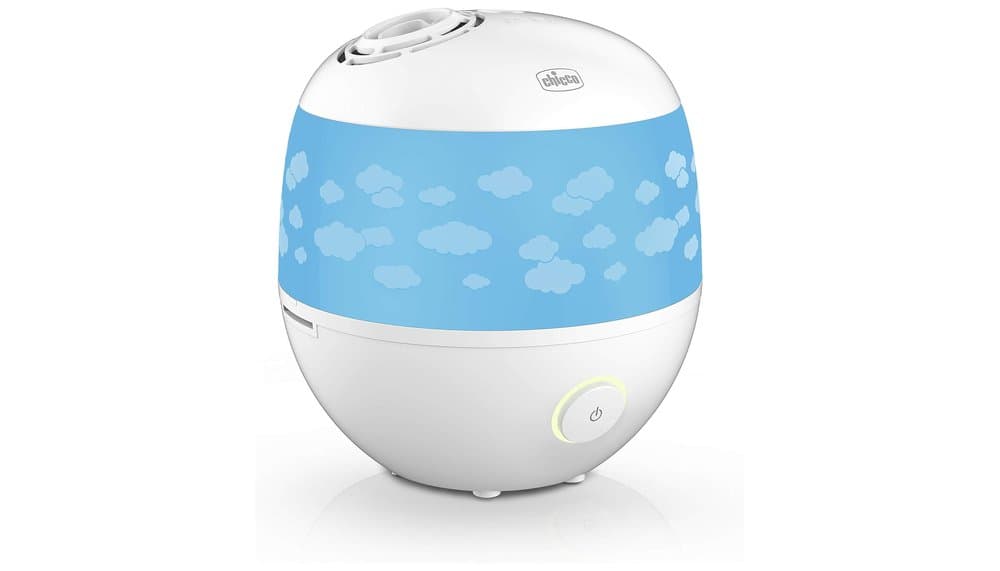
Chicco Humi Hot Advance Air Humidifier Review
Chicco Humi Hot Advance Air humidifier review for kids: warm steam relief for seasonal discomforts in a chemical-free home.
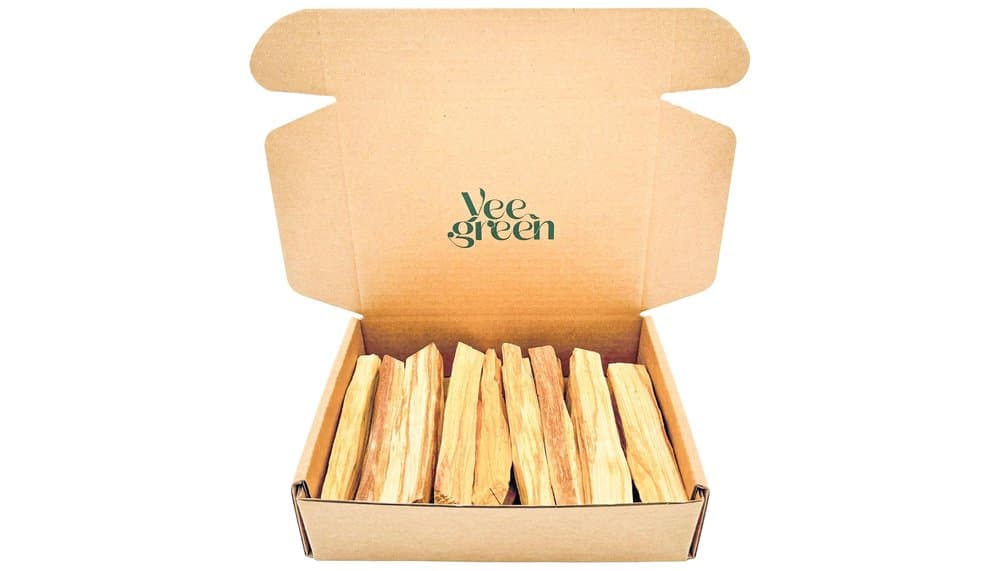
Veegreen White Sage and Palo Santo Incense Set Review
Review the traditional ritual of smudging with white sage and palo santo for cleansing air naturally, as an alternative to modern air purifiers.
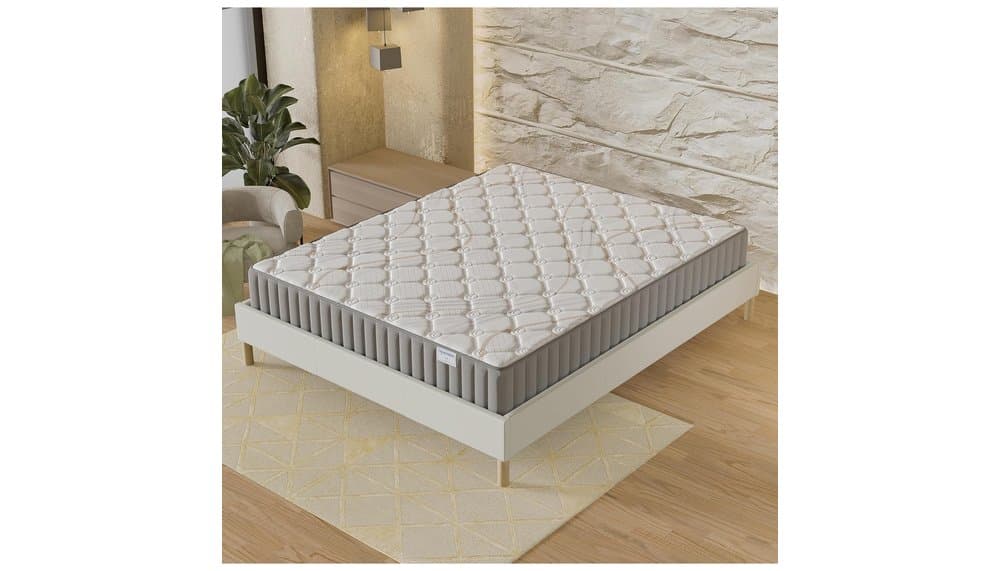
NOVEMBER Sirius Mattress Review: Complete Test Analysis
A deep analysis of the NOVEMBER Sirius mattress for healthy sleep. We test its materials and construction for allergens, VOCs, and overall sleep hygiene.
Guides you might like
Air Purifier Buying Guide
Indoor air can be more polluted than outside. Learn how to choose the right air purifier to combat dust, VOCs, and allergens.
Allergen Fighter Dehumidifier Buying Guide
Combat allergies from dust mites and mold caused by high humidity at home. A good dehumidifier protects your family's health.
Anti-allergen vacuum cleaner
Does vacuuming worsen allergies? Yes, with a poor filter. Choose the right vacuum to trap allergens and protect your health.