Technoline WL1030 CO2 Monitor Air Quality Review
Introduction: An Eye on the Air You Breathe
In our quest for a healthy home, we often focus on what we can eliminate: dust, allergens, mites, VOCs. But how can we assess the invisible without relying solely on intuition? One of the best indicators of air quality in a closed room is the level of carbon dioxide (CO2). A high CO2 level is a reliable signal of stale air, often low in oxygen and potentially laden with other pollutants from our own breath and activities. The Technoline WL1030 CO2 Monitor positions itself as a silent sentinel, designed to accurately measure this crucial marker. On a site dedicated to healthy living and chemical-free cleaning, understanding and monitoring your air is the first step before any purification or cleaning action. Let's analyze whether this device is the diagnostic tool your home needs.
Strengths and Weaknesses: A Clear Summary
Strengths
- Professional-grade NDIR sensor: The Non-Dispersive Infrared (NDIR) technology is the benchmark for accurate and reliable CO2 measurements, far from less stable electrochemical sensors.
- Educational and immediate display: The three-color light system (green, yellow, red) and ventilation recommendation icons make the reading understandable by everyone, without technical interpretation.
- Useful complementary measurements: In addition to CO2, tracking temperature and relative humidity provides a complete picture of indoor comfort conditions.
- Customizable alarms: Ability to set alarm thresholds for CO2 (and for temperature/humidity), with a powerful audible alert (up to 85 dB) to warn you even when you're out of the room.
- Built-in calibration: Automatic calibration (ABC) function and possibility for manual calibration, ensuring measurement reliability over time.
Weaknesses
- Non-French manual and interface: According to user feedback, the manual and menus are mainly in English and German, which can be a barrier for some.
- Requires initial calibration: For optimal accuracy, testers and the community recommend a calibration period of about one week in fresh air (outdoors or a very well-ventilated room) upon receipt, requiring patience.
- Wired power supply: The device requires a power outlet (adapter provided), limiting its mobility and requiring a cable. It is not a portable, battery-operated device.
- Does not measure specific pollutants: It is crucial to understand that this monitor does not detect fine particles (PM2.5), VOCs (volatile organic compounds), mold, or allergens. Its role is to measure CO2, a global indicator of poor ventilation.
Detailed Analysis: Performance and Relevance for a Healthy Home
CO2 Measurement: Much More Than Just a Number
For us, advocates of pure indoor air, CO2 is a central metric. A high CO2 level (above 1000-1200 ppm) is directly correlated with decreased concentration, headaches, fatigue, and poorer recovery. But above all, in a closed space, a buildup of CO2 means the air is not being renewed. This stagnant air can also concentrate other pollutants from our metabolism, furniture, cleaning products, or cooking. The WL1030 does not purify the air, but it tells you when it is time to act: open a window, turn on your mechanical ventilation system or your air purifier. It's a tool for proactive management.
NDIR Technology: The Guarantee of Trust
The technological choice here is paramount. The WL1030 uses an NDIR (Non-Dispersive Infrared) sensor, considered the most reliable and stable method for measuring CO2 over the long term. Unlike cheaper electrochemical sensors that can drift quickly, the NDIR sensor offers lasting accuracy. The specifications state an accuracy of ± (5% of the measured value + 50 ppm). In practice, this means a reading of 1000 ppm has a margin of error of about ±100 ppm, which is perfectly acceptable for home use and provides a very reliable trend. The user community confirms this reliability, with many noting the consistency of measurements and their responsiveness when ventilating.
User Interface: Simplicity and Efficiency
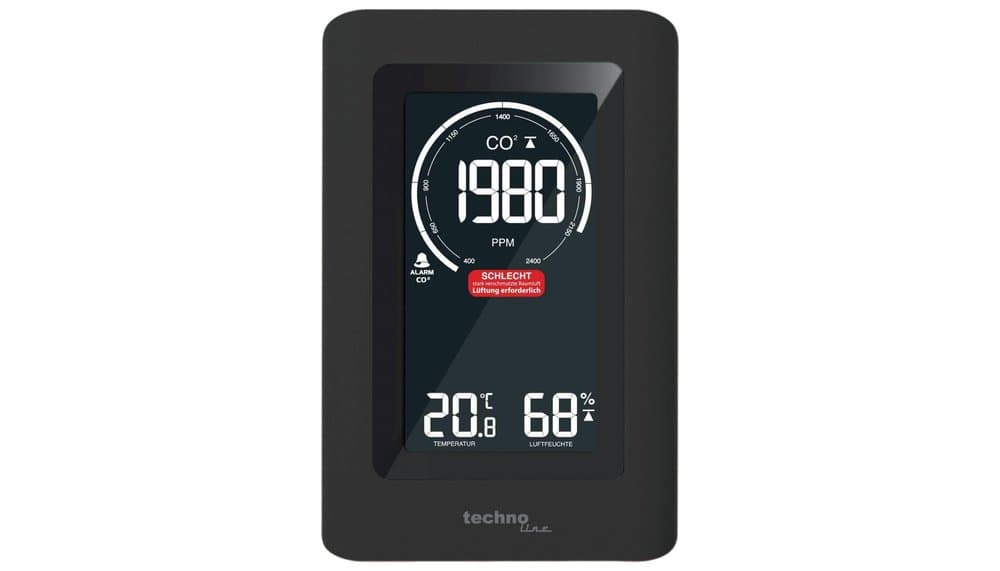
The display design is a success. The large screen clearly presents the three data points (CO2 in large digits, temperature and humidity). The CO2 traffic light is the key element:
- Green (400-600 ppm): Fresh air, excellent quality. Optimal ventilation.
- Yellow (601-1000 ppm): Acceptable air. Ventilation is advised.
- Red (above 1000 ppm): Stale air. Ventilation is necessary.
This immediate visualization is valuable, especially at night in a bedroom or nursery: a glance tells you if the air remains healthy. The 24-hour Min/Max memory function also allows for a retrospective assessment, useful for evaluating the habits of a room.
Integration into a "Health and Chemical-Free Cleaning" Approach
How does this tool fit into our philosophy? It complements your equipment.
- Before the air purifier: It helps you identify rooms where the air is often stale. A purifier with a HEPA filter and activated carbon removes particles and certain gases, but does not reduce CO2. Only air renewal does that. The WL1030 tells you when mechanical action (ventilating) takes priority over filtration.
- For humidity control: The built-in humidity measurement helps you prevent conditions favorable to mites and mold. Above 60-65% relative humidity, the risk increases. This device can alert you to activate a dehumidifier if necessary.
- For conscious cleaning: After using a steam cleaner (which temporarily increases humidity and may release residues), you can monitor the return to normal comfort conditions (temperature, humidity).
Noise Level and Usage
The WL1030 is silent during normal operation. The only sound emitted is the adjustable alarm, which can reach 85 dB. This is a sufficient level to be heard from an adjacent room. For use in a bedroom or with a baby, the device itself will not disturb sleep. You can set the CO2 alarm to a reasonable threshold (e.g., 1200 ppm) to be warned if air quality deteriorates during the night, without fear of false alarms.
Technical Specifications
| Parameter | Technoline WL1030 Specification |
|---|---|
| CO2 Sensor | NDIR (Non-Dispersive Infrared) - Benchmark technology |
| CO2 Measurement Range | 400 to 5000 ppm (parts per million) |
| CO2 Accuracy | ± (5% of measured value + 50 ppm) |
| CO2 Display | Numerical value + Three-color light (Green/Yellow/Red) with recommendation icons |
| Additional Measurements | Ambient Temperature and Relative Humidity (rH) |
| Temp. Range / Accuracy | 0°C to 50°C / ± 1°C |
| Humidity Range / Accuracy | 20% to 95% rH / ± 5% |
| Alarms | Individually adjustable for CO2, Temperature, Humidity. Audible alarm up to 85 dB. |
| Memory Functions | Storage of MIN and MAX values over the last 24h (auto-scrolling) |
| Calibration | Automatic calibration (ABC) + manual calibration possible |
| Power Supply | Power adapter provided (1.75m cable) - No battery |
| Installation | Can be placed on a table or wall-mounted (optional adhesive pads) |
| Dimensions | 9.4 x 5 x 14.5 cm |
What Users and Testers Say
The synthesis of nearly 1900 customer reviews (overall rating 4.4/5) and available technical analyses paints a very clear consensus.
Recurrent praise focuses on:
- Perceived reliability: Users who compare with other devices or their own feelings note great consistency and responsiveness of measurements. Opening a window makes the displayed value drop quickly.
- Raising awareness: Many comments express a revelation: "You don't realize how stale the air is." Tests in children's rooms or at night are frequently cited as eye-opening experiences.
- Ease of interpretation: The color-coded system is unanimously praised as intuitive and effective, even for non-experts.
- Robustness and seriousness: The overall impression is of a "solid" and "serious" product that does its measuring job well without unnecessary frills. The presence of the NDIR sensor is a major confidence-building argument.
Frequent criticisms or remarks concern:
- Initial calibration: Several knowledgeable users emphasize the importance of letting the device self-calibrate (ABC) for about 7 days in fresh, stable air after powering it on. Without this step, the first measurements might be less reliable.
- Lack of French translation: The absence of a French manual is the most frequently cited negative point by French users. Navigating the menus remains simple but may require an adjustment period.
- Accuracy of ancillary measurements: A few reports note a slight deviation (around 1 to 1.5°C) in the temperature measurement compared to other thermometers. However, the majority consider this measurement indicative and acceptable, as the main objective remains CO2.
Independent testers and available technical analyses confirm that the WL1030 ranks high among consumer-grade CO2 monitors, particularly thanks to its NDIR sensor, often reserved for more expensive devices.
Conclusion: A Wise Investment for Quality of Life
The Technoline WL1030 CO2 Monitor is not a purifier, but a measuring and awareness-raising instrument. In our approach to a healthy home, it fulfills an essential role: objectifying air quality to act in an informed way.
Its strengths are solid: the reliable NDIR technology, the highly educational display, and the customizable alarm functions make it a valuable ally, especially for monitoring bedrooms, home offices, or playrooms. It teaches you to know the "breathing rhythm" of your home.
Its limitations must be understood: it requires an initial calibration phase and will not inform you about the presence of fine particles or formaldehyde. For these pollutants, a purifier with dedicated sensors or a specific test remains necessary.
Our verdict: If you are looking for a reliable, robust, and simple tool to measure the main indicator of indoor air stagnation and thus optimize your ventilation and habits, the Technoline WL1030 is an excellent choice. It is an investment in understanding your environment, the first, and often the most important, step towards truly healthy indoor air. It acts like the fuel gauge in your car: it doesn't make the vehicle move, but it tells you when it's time to fill up... with fresh air.
Independent and transparent — Our articles are based on in-depth research and real user reviews. No brand sponsors our content. Affiliate links help fund the site, at no extra cost to you.
Articles you might like
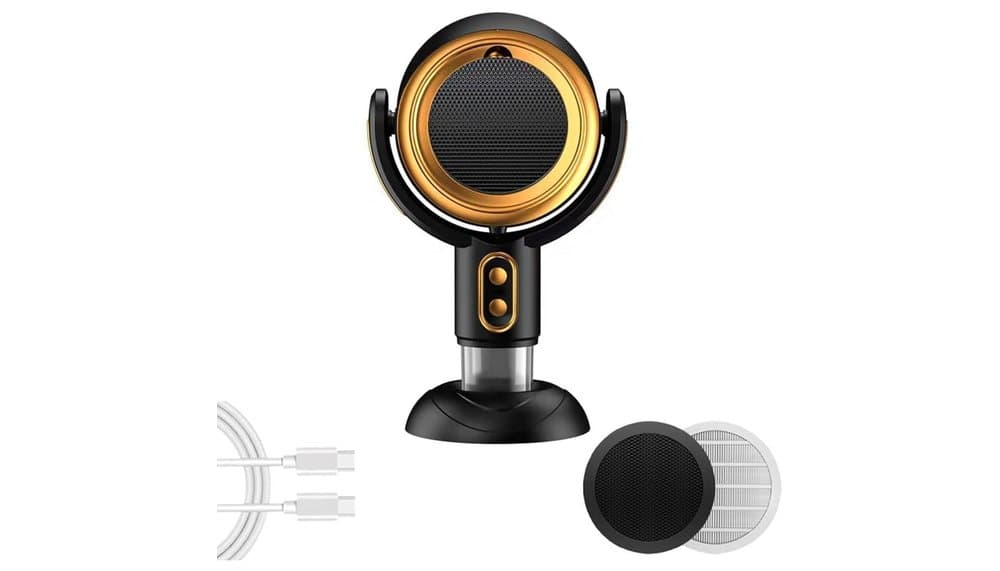
NNOVAT Puff Chill Smoking Fan Portable Air Purifier Review
Compact portable air purifier for smoke & odors. Filters air in real-time like a table fan.
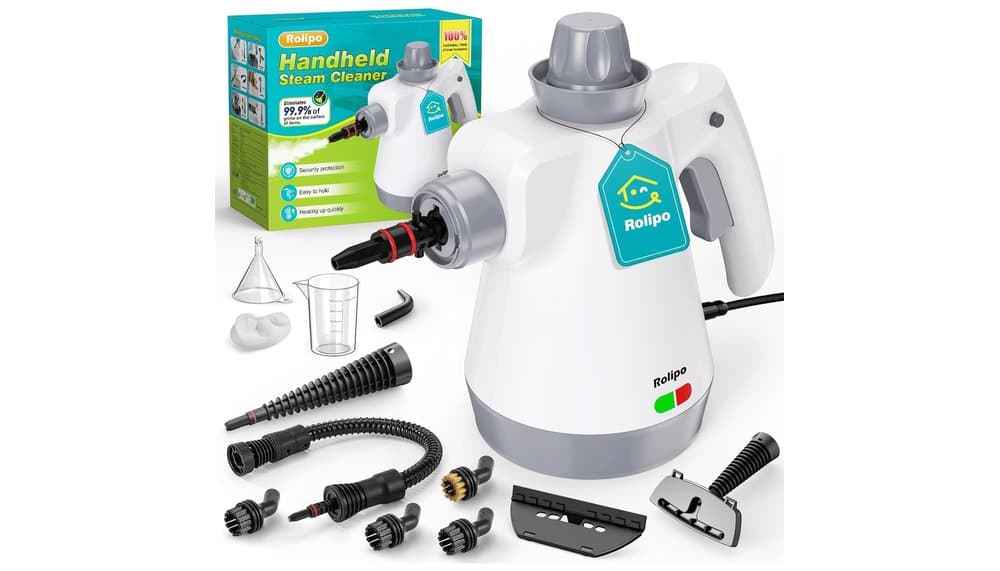
Rolipo TMSC-001 Steam Cleaner Test & Review
Decide if the Rolipo TMSC-001 steam cleaner is right for your healthy cleaning routine to eliminate allergens and bacteria with just water and heat.
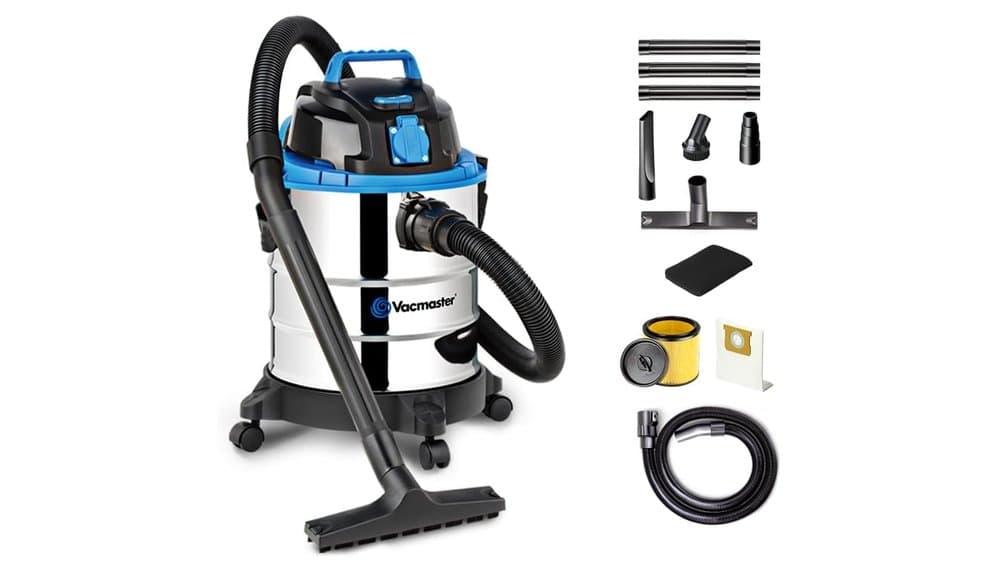
Vacmaster VQ1220SC Wet Dry Vacuum Review & Test
Discover the Vacmaster VQ1220SC, a powerful wet-dry vacuum cleaner. We analyze its real-world impact on dust, allergens, and home air quality.
Guides you might like
Air Purifier Buying Guide
Indoor air can be more polluted than outside. Learn how to choose the right air purifier to combat dust, VOCs, and allergens.
Allergen Fighter Dehumidifier Buying Guide
Combat allergies from dust mites and mold caused by high humidity at home. A good dehumidifier protects your family's health.

Anti-allergen vacuum cleaner
Does vacuuming worsen allergies? Yes, with a poor filter. Choose the right vacuum to trap allergens and protect your health.