Absodry Duo Family Anti-Mould Dehumidifier Review
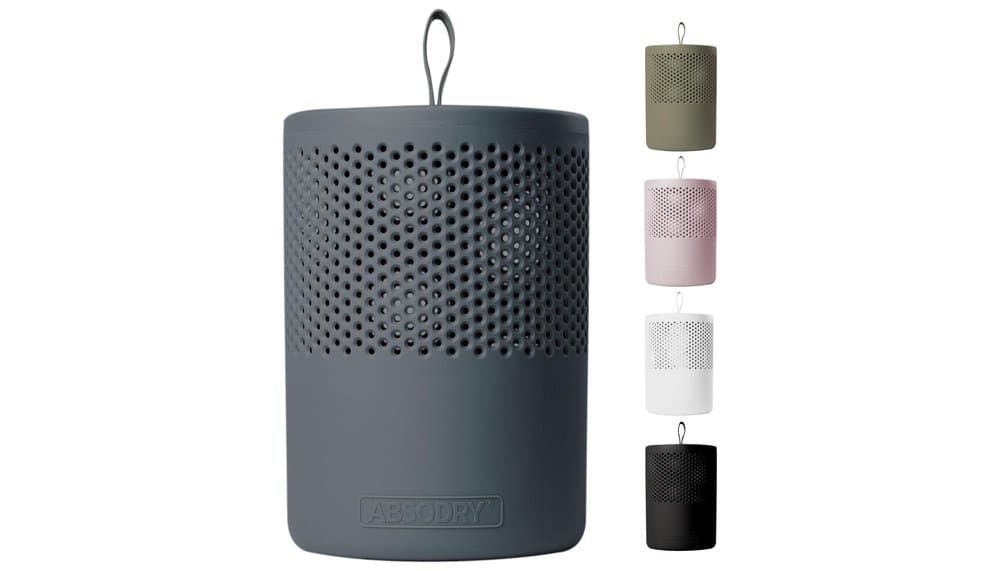
Absodry Duo Family Anti-Mould Dehumidifier
Introduction
In our quest for healthier indoor air, excess humidity is an invisible and tenacious enemy. It encourages the proliferation of dust mites, the appearance of harmful mould, and those characteristic musty smells of poorly ventilated rooms. To tackle this issue, electric dehumidifiers are a common solution, but they consume energy, can be noisy, and their maintenance (filters) has a cost. The Absodry Duo Family Anti-Mould Air Dehumidifier presents itself as a radically different alternative: a passive moisture absorber, operating without electricity or a filter, and made from recycled materials. But from our perspective of domestic health, does this promise of simplicity hold true? Let's take a close look at this product to understand its place in a home concerned about its indoor environment.
Strengths and Weaknesses
Before diving into the technical analysis, let's quickly outline the assets and limitations of the Absodry Duo Family, as they emerge from the specifications and real-world feedback.
Strengths
- Zero power consumption and absolute silence: Perfect for a bedroom, baby's room, or office, where the slightest noise can be a disturbance.
- Sleek and discreet design: Many users describe it as aesthetic and sufficiently neutral to be left in plain sight.
- Extremely simple to use: No buttons, settings, or programming. It works continuously once set up.
- Assertive ecological approach: Casing made from 94% recycled plastic (PCR) and produced in Sweden, which is a real environmental argument.
- No complex consumables: No HEPA or charcoal filters to replace, only the refill bags of absorbent granules.
Weaknesses
- Limited capacity and range: Designed for rooms up to 25 m² and for issues of moderate humidity, it is unsuitable for very humid areas or large spaces.
- Mandatory manual maintenance: You must empty the collected water tank and replace the bag approximately every 3 months, an action that can be forgotten.
- Lack of air filtration: The product does not eliminate allergens (pollen, dust), VOCs, or fine particles. It only acts on the "humidity" parameter.
- Passive effectiveness: Its action depends on the natural airflow of the room. It does not actively "draw" humid air like an electric model would.
Detailed Analysis: A Close Look at Health and Air Quality
See today's priceOperating Principle and Real Targets
The Absodry Duo Family relies on a simple, age-old chemical principle: hygroscopicity. The calcium chloride granules contained in the bag attract and retain water molecules present in the air. Excess moisture then condenses into water in the lower tank. This action has a direct and indirect impact on air quality:
- Direct action against mould: By lowering the relative humidity level below 60-65%, the product deprives mould spores of their essential condition for growth. This is its primary anti-mould action. Testers and users confirm its effectiveness in reducing or preventing condensation on windows and walls in spaces like the bathroom after a shower, a small laundry room, or a pantry.
- Indirect action on allergens: Less humid air is less favourable for dust mites, which proliferate above 70-75% relative humidity. By creating a drier environment, the Absodry helps limit their population, thereby reducing a major source of domestic allergens.
- Elimination of musty odours: These odours are often produced by microbial volatile organic compounds (VOCs), resulting from decomposition in a humid environment. By drying the air, the breeding ground for these reactions is removed, eliminating bad odours at the source.
What it does NOT do: Important Health Limitations to Know
It is crucial to understand the limits of this device to avoid false expectations, especially in a holistic health approach.
- No air purification: Unlike an air purifier with a HEPA H13 filter or activated carbon, the Absodry has no effect on suspended particles. Dust, pollen, pet dander, smoke, or viruses remain present in the air. It in no way replaces a purifier for people allergic or asthmatic to these pollutants.
- No active disinfection: No UV-C technology or high-temperature heating is integrated. It does not actively "kill" bacteria, viruses, or mould spores already present in the air or on surfaces. It acts in prevention by modifying the environment.
- Conditional effectiveness: Its maximum effectiveness is stated for 25 m², but it heavily depends on the room's airtightness and the starting humidity level. In a very humid (>80%) or poorly insulated room, a single device will be insufficient.
Ease of Use and Long-Term Cost
The "no technical maintenance" aspect is its major asset. According to feedback, installation boils down to placing the bag in its holder and emptying the tank when the indicator signals. The sound level is zero decibels, making it a perfect ally for bedrooms.
The long-term cost is linked to the purchase of granule refills. Product data indicates that one bag lasts up to 3 months depending on conditions. Therefore, you should budget for approximately 4 refills per year per device for continuous use. Compared to an electric dehumidifier (higher purchase cost + electricity consumption), the Absodry model can be more economical over time in a scenario of preventive and localized use. However, for a problem requiring daily water extraction, an electric model will be more cost-effective and efficient.
Key Technical Specifications
For clarity, here is a summary of the main characteristics of the Absodry Duo Family:
| Characteristic | Detail |
|---|---|
| Type | Dehumidifier / Passive moisture absorber (non-electric) |
| Active Principle | Calcium chloride granules |
| Coverage Area | Up to 25 m² (for moderate humidity) |
| Tank Capacity | 1 litre |
| Refill Duration | Up to 3 months (depending on humidity level) |
| Sound Level | 0 dB (Silent) |
| Air Filtration | None (does not remove particles, allergens, or VOCs) |
| Power Consumption | 0 Watt |
| Main Material | 94% recycled plastic (PCR) |
| Maintenance | Emptying the water tank + replacing the absorbent bag |
| Place of Manufacture | Sweden |
What Users and Testers Say
The synthesis of over 1200 reviews (with an average rating of 4.4/5) and available expert analyses online gives us a very consistent picture of the product.
The recurring positive points confirm the identified strengths:
- Effectiveness on moderate humidity: Users are unanimous about its effectiveness in reducing condensation on windows and musty odours in closets, bathrooms, or small cellars. Many note that the tank fills with water, tangible proof of its action.
- Design and discretion praised: The aesthetic argument comes up very often. The terms "nice", "design", "discreet", and "blends into the decor" are frequent. It's not a device you try to hide.
- Simplicity and silence: The ease of use ("ready to use") and total silence are particularly appreciated for bedrooms and offices.
The reported criticisms and limitations warn against overly high expectations:
- Not for major problems: Several reviews highlight that for a very damp cellar or a large, damp room, the device is insufficient. It is described as an excellent complementary or preventive tool, but not as a powerful curative solution.
- Variable build quality: A few reports (notably the cited 1-star review) mention a plastic casing that doesn't close perfectly or seems fragile. This seems to be a minority of cases, but it is a point to watch.
- Forgetting to empty: If the tank is full, effectiveness stops. Some users have to set a reminder to empty the reservoir regularly.
Independent testers echo this sentiment: the Absodry Duo Family is an ideal solution for targeted and preventive needs, but you should not expect it to dry out an entire basement like a 20-litre-per-day electric dehumidifier would.
Conclusion: Who is the Absodry Duo Family really for?
The Absodry Duo Family Anti-Mould Air Dehumidifier is a smart, ecological, and elegant tool for managing occasional or moderate humidity in confined spaces. Its analysis from a health perspective is nuanced: it is an excellent environment regulator that effectively combats the root cause of mould and dust mites by lowering humidity, but it is by no means an air purifier.
It fits perfectly into an overall air quality improvement strategy, as a complement to good mechanical ventilation (MVHR) and, if needed, a HEPA filter purifier. For a family looking to improve the air in a windowless bathroom, a dressing room, a small laundry room, or even a campervan, without adding noise or electricity bills, it is a relevant and well-designed choice.
However, for anyone dealing with rising damp, leaks, or significant structural dampness, this device will only be a drop in the ocean. It acts as a passive regulator, not an active pump. In summary, see it as a discreet and silent guardian against everyday ambient humidity, and not as a construction tool for drying out walls. In this specific role, and according to the majority of feedback, it fulfills its mission brilliantly and with style.
Independent and transparent — Our articles are based on in-depth research and real user reviews. No brand sponsors our content. Affiliate links help fund the site, at no extra cost to you.
Articles you might like
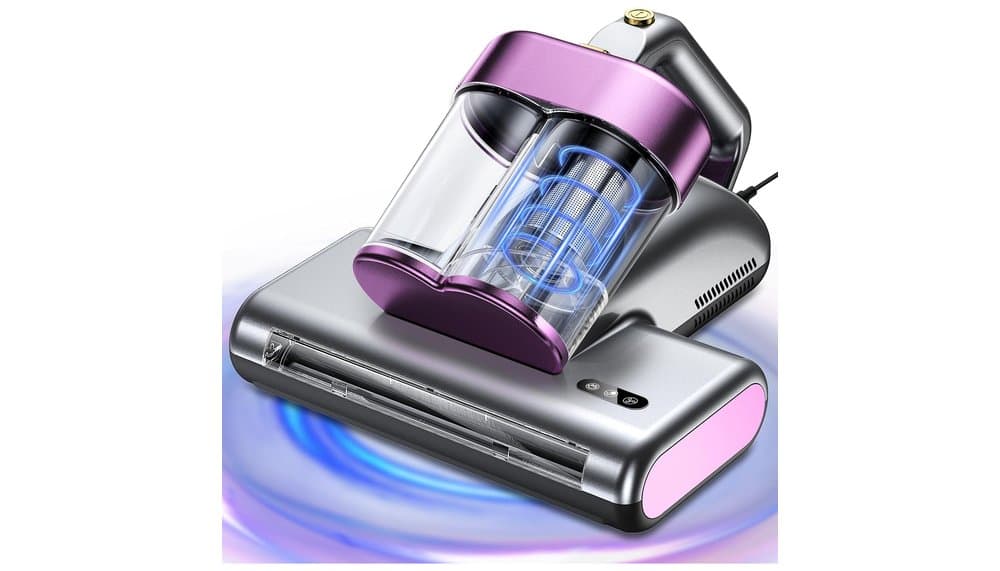
RWSRW Anti Dust Mite Vacuum Cleaner Review
Eliminate mites, dander & allergens from bedding. Discover a dedicated UV-C vacuum cleaner designed for deep, chemical-free cleaning and a healthier sleep.
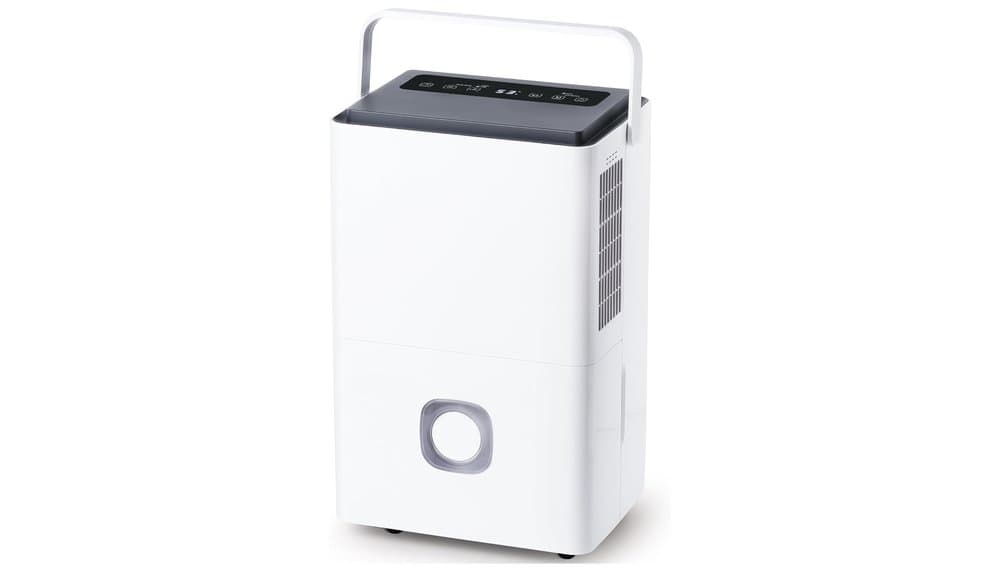
Megonia C450-0427 Electric Air Dehumidifier Review
Dehumidifier review: Analyzing the Megonia C450-0427's power to fight mold & allergens for healthier indoor air.
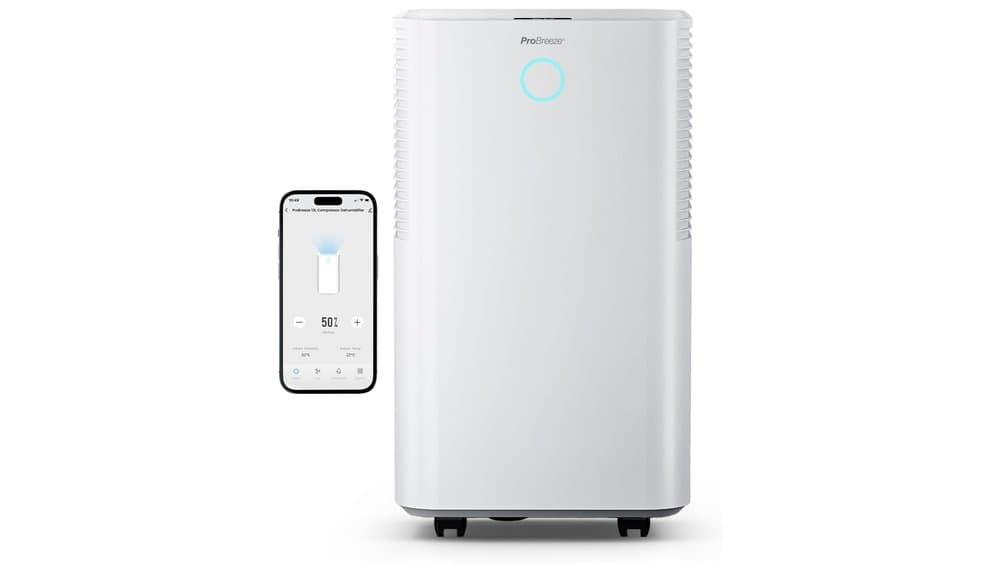
Pro Breeze OmniDry D 12L Dehumidifier Review
Eliminate humidity, allergens, and mold with the Pro Breeze OmniDry Dehumidifier. Discover how it improves air quality for a healthier, chemical-free home.
Guides you might like
Allergen Fighter Dehumidifier Buying Guide
Combat allergies from dust mites and mold caused by high humidity at home. A good dehumidifier protects your family's health.
Anti-allergen vacuum cleaner
Does vacuuming worsen allergies? Yes, with a poor filter. Choose the right vacuum to trap allergens and protect your health.