GoHelmate MT29 15-in-1 Air Quality Monitor Review
Introduction
In our quest for a healthy indoor environment, we know the enemy is often invisible. Fine dust, volatile organic compounds (VOCs), carbon dioxide (CO₂)... these silent pollutants can impact our sleep, concentration, and long-term well-being. The first step to effectively purifying our air is to understand it. This is where the air quality analyzer comes in, an essential tool. Today, we are taking a closer look at the GoHelmate MT29 15-in-1 Indoor Air Quality Monitor, a device promising a comprehensive view of the air we breathe at home. This device positions itself as a connected guardian, capable of measuring a wide range of parameters. But does it live up to our expectations in terms of reliability and practical usefulness for managing allergens and pollutants? This is what we will unravel.
Strengths of the GoHelmate MT29
The GoHelmate MT29 presents several major assets that justify the interest it generates in the air quality-conscious community.
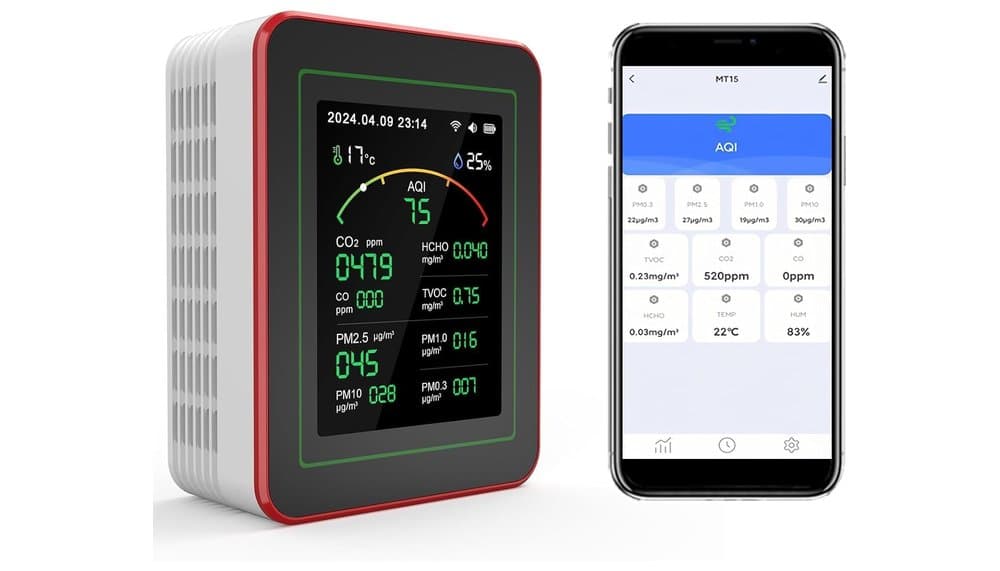
A Very Comprehensive Array of Sensors Its main selling point is its versatility. Unlike many basic monitors that only track fine particles or CO₂, the MT29 claims to follow 15 different parameters. The most critical ones for our health are all covered: fine particles PM2.5 and PM10 (responsible for irritations and originating from pollen, dust mites, cooking), CO₂ (a reliable indicator of air renewal and ambient "heaviness"), Total VOCs (emitted by cleaning products, new furniture, air fresheners) and Formaldehyde (HCHO), a specific and particularly harmful VOC. This multidimensional approach is essential for a complete picture of risks.
Intuitive and Immediate Visualization The device banks on simplicity. According to user feedback, its smart color screen and color-coded lighting (green, orange, red) allow for instant understanding of the situation, even from a distance. This is a valuable asset for passive monitoring throughout the day. We also note the connectivity via a smartphone app, enabling remote monitoring and data history. This feature is appreciated for monitoring a child's room or understanding air quality fluctuations in one's absence.
A Practical and Autonomous Design The compact design and the possibility of using it on battery or AC power make it a portable and versatile tool. Testers emphasize that it can be easily moved from the living room to the bedroom, kitchen, or even the car to assess different micro-environments. Its construction seems robust, inspiring confidence for daily use.
Weaknesses and Limitations
No product is perfect, and an honest analysis of the GoHelmate MT29 must mention its potential gray areas, primarily related to the accuracy of low-cost sensors.
The Thorny Issue of Absolute Accuracy This is the main point of vigilance with this type of consumer device. The specifications advertise dual-chip technology for fast and accurate analysis, but we must be realistic. A French-speaking user review points out notable discrepancies compared to reference measurements (temperature, PM2.5, PM10). These discrepancies, if proven and systematic, can distort our perception of air quality. The integrated formaldehyde (HCHO) sensor in this kind of device is often a basic electrochemical sensor, more sensitive to interference from other VOCs than a true laboratory analyzer. It provides an indicative trend, not a certified measurement.
Dependence on Calibration and Interpretation Sensors, especially those for particles (laser) and VOCs, can drift over time and require maintenance. The manufacturer does not provide clear information on sensor longevity or the possibility of recalibration. Furthermore, the display of an overall Air Quality Index (AQI) can be misleading, as it aggregates pollutants with different effects. It is crucial to know how to look at individual values.
An App and Ecosystem to Verify Over Time While connectivity is a plus, it relies on a proprietary application. The community generally notes their ease of use, but the longevity of cloud servers, software updates, and the lack of integration with broader smart home ecosystems (like Home Assistant) can be limitations for advanced users.
Detailed Analysis of Features
Let's dive into the heart of the measurements and see what each parameter means for your health and your chemical-free cleaning strategy.
Fine Particles (PM2.5 / PM10): Your Main Indicators of Physical Pollution This is the most useful measurement for assessing the effectiveness of your HEPA vacuum or air purifier. The MT29 measures these suspended dust particles. A sudden increase in PM2.5 can reveal the activity of a vacuum without an adequate filter that expels dust into the air, cooking, someone moving around, or disturbing textiles. For those allergic to dust mites and pollen, it's a key indicator. Feedback indicates the sensor reacts well to household activities like vacuuming or cooking, which is a good sign of responsiveness.
Carbon Dioxide (CO₂): The Indicator of Air Renewal A high CO₂ level (> 1000 ppm) is directly linked to drowsiness, headaches, and reduced concentration. It's an excellent tool for knowing when to ventilate a room, especially bedrooms or closed offices. Users confirm the monitor shows a rapid decrease in CO₂ during ventilation, validating its usefulness for encouraging good ventilation practices, fundamental for evacuating pollutants even without a purifier.
VOCs and Formaldehyde: The Invisible Chemical Enemies This is where the MT29 aims to make a difference. Measuring Total VOCs is valuable for identifying sources of chemical pollution. A detected spike can correspond to the use of a conventional cleaning product, an air freshener, fresh paint, or new furniture. It gives you the power to act: identify and remove the source, or opt for natural alternatives (vinegar, black soap, steam). The specific formaldehyde (HCHO) sensor, although less accurate than a professional device, can alert you to prolonged emissions from particle board or textiles. Caution: These sensors can be sensitive to alcohol (present in some "natural" cleaners) or to strong humidity variations.
Comfort Parameters: Temperature and Humidity They should not be overlooked. A relative humidity maintained between 40% and 60% helps limit the growth of dust mites and mold, two major allergens. A monitor that alerts you to a too-high humidity level can justify the use of a dehumidifier in certain rooms. Temperature also influences the perception of air quality.
Technical Specifications
Here is a summary of the main characteristics of the GoHelmate MT29:
| Parameter | Technical Detail |
|---|---|
| Main Sensors | CO₂, PM2.5, PM10, Total VOCs (TVOC), Formaldehyde (HCHO), Temperature, Humidity, Atmospheric Pressure |
| Technology | Dual-Chip 5.0 System, Electrochemical Sensors (VOC, HCHO), NDIR Sensor (CO₂) |
| Display | Color LCD screen with LED color code (Green/Orange/Red) |
| Connectivity | Dedicated app (iOS/Android) for remote monitoring and history |
| Power Supply | Built-in battery (18650 type) and USB-C port for continuous power |
| Portability | Compact design (8 x 5 x 22 cm), lightweight, usable on AC or battery |
| Design | ABS plastic casing, white color |
| Additional Functions | Data history, alerts, possible calibration (according to manual) |
What Users and Testers Say
A synthesis of customer reviews, particularly detailed feedback from the Amazon Vine program, gives us a very concrete picture of the user experience.
Recurring Positive Points The community is unanimous on several qualities. Users praise the ease of installation and use, with an interface deemed intuitive. The responsiveness of the sensors is often mentioned: they see CO₂ levels drop quickly during ventilation and fine particles increase during cooking, which builds confidence in event detection. The clarity of the display and the usefulness of the color code are praised for quick reading. The solid construction and discreet design that integrates well into an interior are also appreciated. Finally, the good battery life and the possibility of leaving it plugged in make it a "set up and forget" device.
Points of Vigilance and Criticisms The negative points are fewer but significant. Absolute accuracy is questioned by a user who observed discrepancies compared to other instruments. This aligns with expert reservations about the precision of consumer sensors. Some would have liked deeper integration with other connected devices (Google Home, Alexa). The documentation is sometimes considered basic, especially regarding the precise meaning of the different values and the calibration procedure. A point to note: no user mentions a noise level problem, as the device is silent during normal operation (only optional sound alerts can be triggered).
Conclusion: A Tool for Awareness Rather Than a Laboratory Instrument
So, is the GoHelmate MT29 15-in-1 a good investment for your healthy home?
The answer is nuanced but overall positive, provided you understand its role. We are not looking at a scientific instrument for absolute precision, but an excellent tool for awareness and trend analysis. Its strength lies in its ability to make the invisible visible and educate you about the dynamics of indoor pollution in your home.
For the chemical-free cleaning community, it offers valuable insights. It will show you the immediate impact of opening a window (drop in CO₂), the actual effectiveness of your air purifier on PM2.5, and alert you to chemical emissions after using an unsuitable product. It validates the usefulness of good ventilation, the first step towards healthy air.
Its main flaw, relative accuracy, is offset by its responsiveness and versatility. It is more reliable for observing variations ("the air is deteriorating") than for obtaining a certified absolute value ("there is exactly 0.08 mg/m³ of formaldehyde").
In conclusion, the GoHelmate MT29 is a convincing ally for anyone wishing to regain control of their indoor air. It acts as a nervous system for your home, giving you the necessary clues to ventilate, purify, or simply identify a source of pollution. Use it as a guide to adopt better habits, not as a medical diagnosis. In this perspective, it delivers on its promises and can significantly contribute to creating a healthier and more controlled indoor environment.
Independent and transparent — Our articles are based on in-depth research and real user reviews. No brand sponsors our content. Affiliate links help fund the site, at no extra cost to you.
Articles you might like
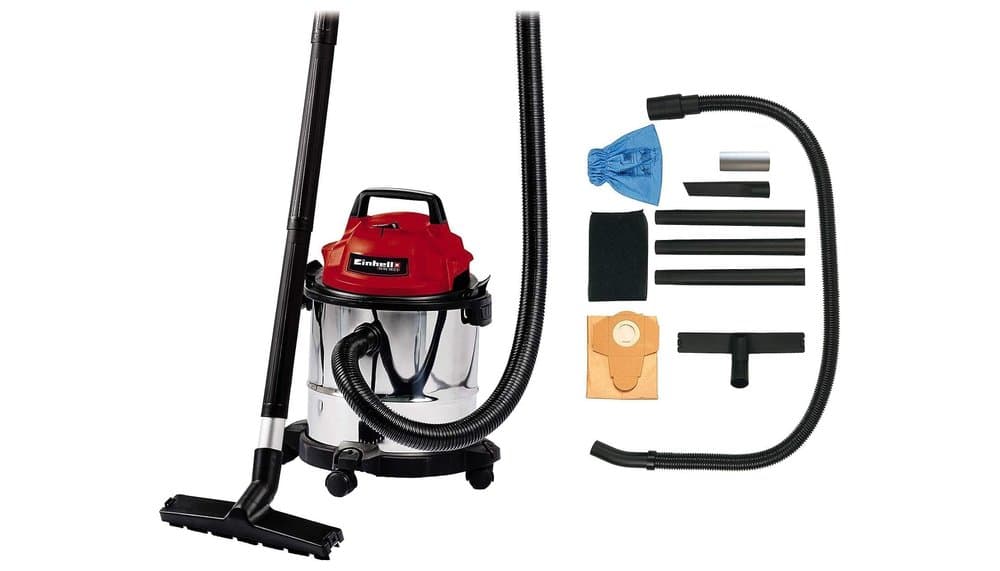
Einhell TC-VC 1812 S Wet and Dry Vacuum Review
Einhell TC-VC 1812 S wet/dry vacuum review for deep cleaning tasks, household accidents, and post-renovation cleanup. A tool for heavy-duty messes.
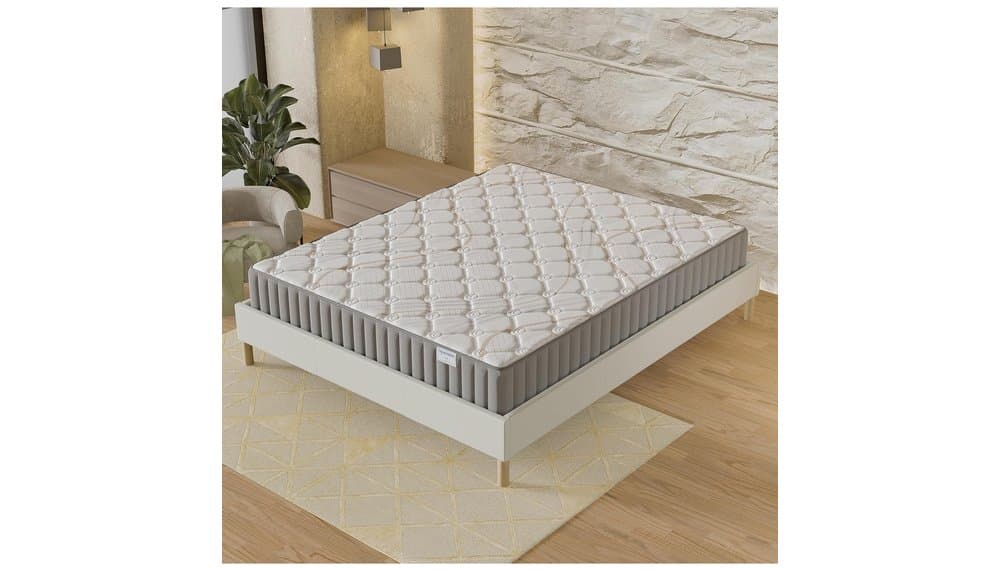
NOVEMBER Sirius Mattress Review & Test
Discover if the NOVEMBER Sirius hybrid mattress delivers certified healthy materials, comfort, and support for a truly restorative night's sleep.
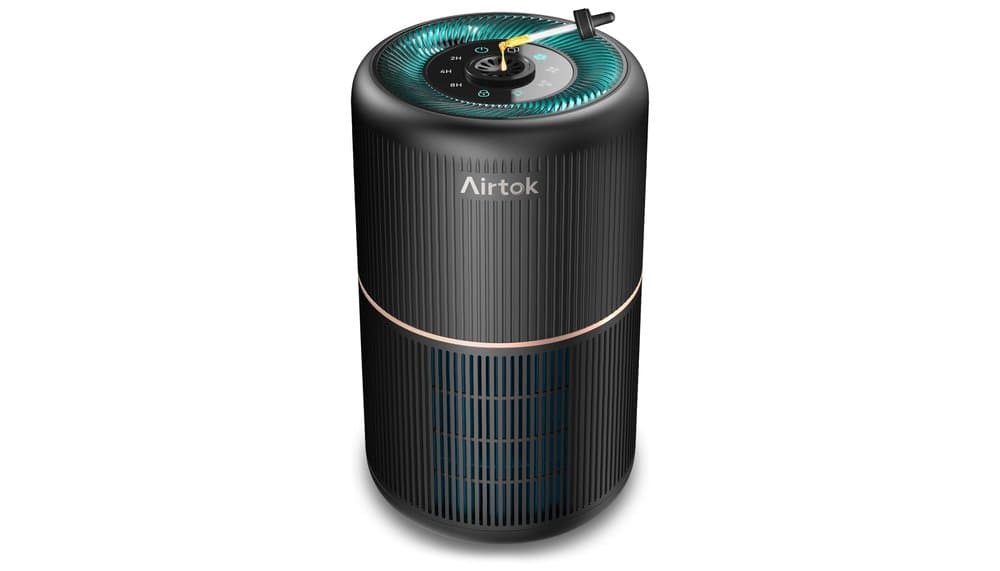
AIRTOK AP0601 Air Purifier Review and Test
Clean your air at home. See our in-depth review of the AIRTOK AP0601 purifier for combating dust, pollen, pets, and VOCs.
Guides you might like
Air Purifier Buying Guide
Indoor air can be more polluted than outside. Learn how to choose the right air purifier to combat dust, VOCs, and allergens.

Allergen Fighter Dehumidifier Buying Guide
Combat allergies from dust mites and mold caused by high humidity at home. A good dehumidifier protects your family's health.

Anti-allergen vacuum cleaner
Does vacuuming worsen allergies? Yes, with a poor filter. Choose the right vacuum to trap allergens and protect your health.